
Temnothorax adustus
- Wiss. Name
- Temnothorax adustus
- Tribus
- Crematogastrini
- Unterfamilie
- Myrmicinae
- Autor
- Mackay, 2000
- Verbreitung
- In 0 Ländern gefunden
Einleitung
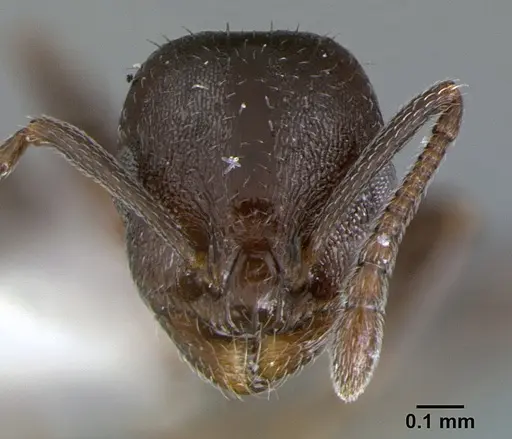
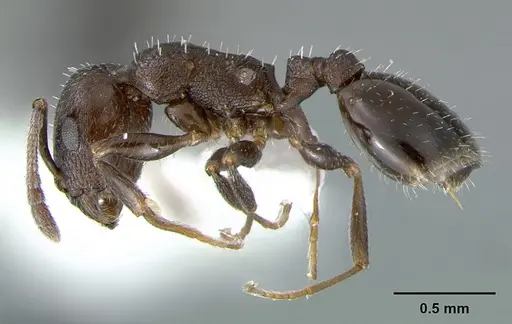
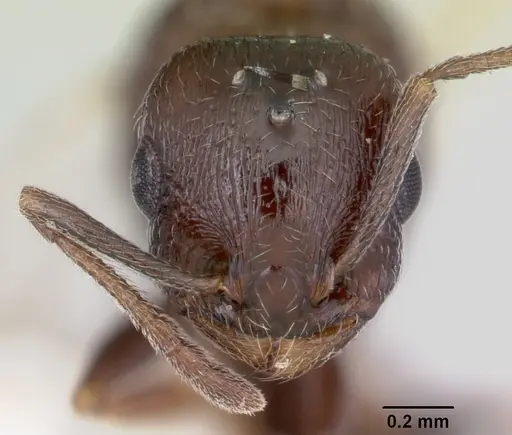
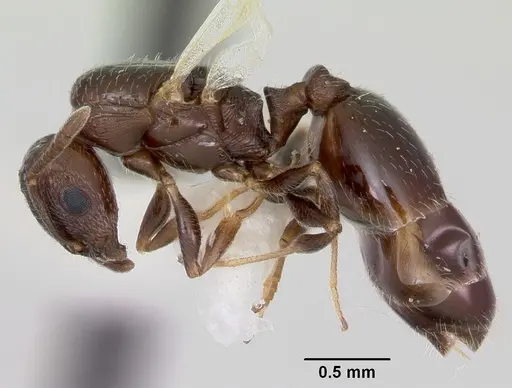
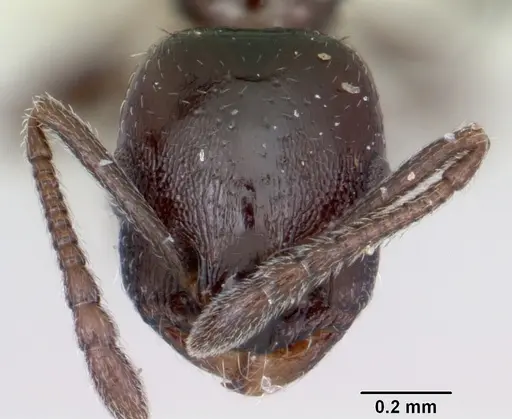
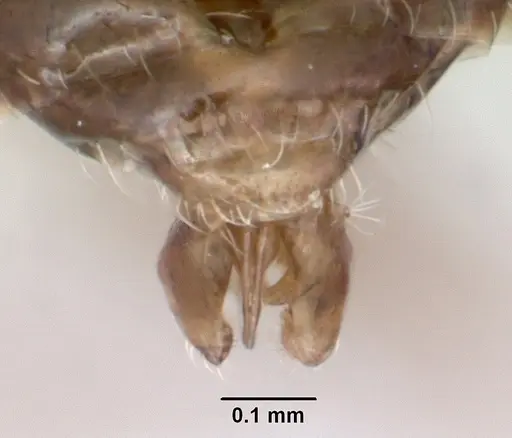
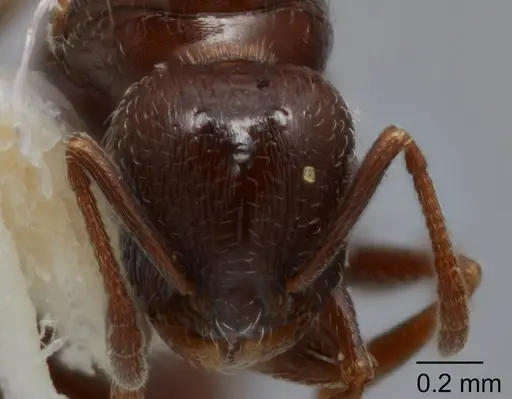
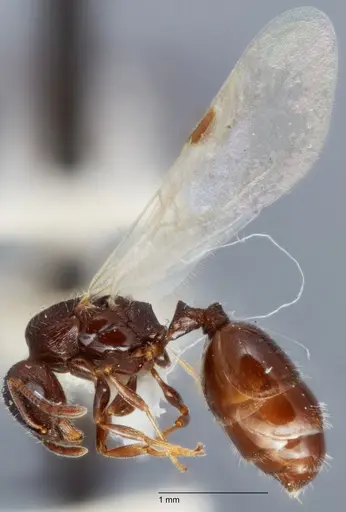
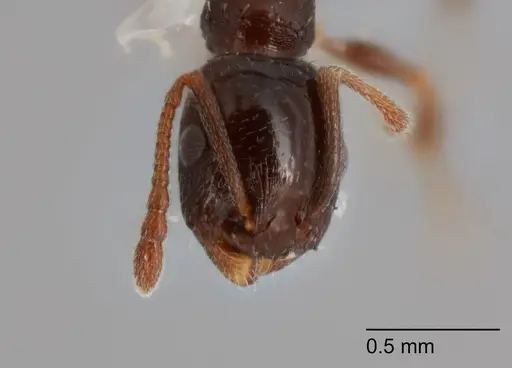
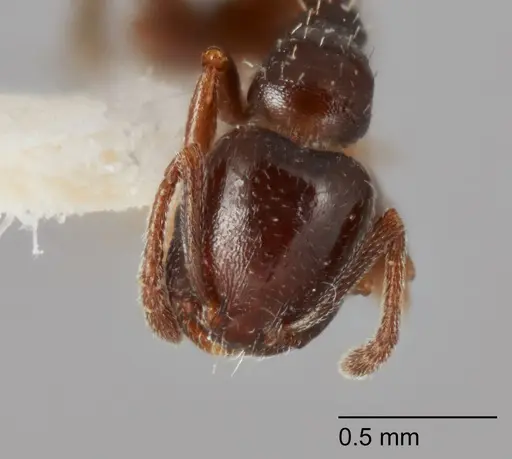
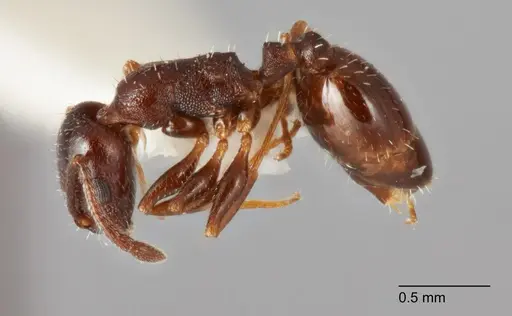
Temnothorax adustus is a small ant from Mexico, with no precise locality records . Workers are tiny,2-4 mm, and queens are around 5-7 mm (inferred from related Temnothorax species). They belong to the subfamily Myrmicinae and tribe Crematogastrini. In the wild, they likely nest in small cavities under stones, in rotting wood, or inside hollow plant stems. Because almost nothing has been published about this species, all care advice below is based on what’s typical for the genus, be ready to adapt as you observe your own colony.
Quick Summary
- Difficulty: Medium
- Origin & Habitat: Mexico [1]. Specific habitat unknown, likely forest edges, rocky slopes, or other microsites where small cavities exist.
- Colony Type: Unknown. Most Temnothorax species are monogyne (single queen), but this has not been confirmed for this species.
- Size & Growth:
- Queen: ~5-7 mm (inferred from genus patterns)
- Worker: ~2-4 mm (inferred from genus patterns)
- Colony: Unknown. Most Temnothorax species have up to a few hundred workers, but this is unconfirmed.
- Growth: Moderate
- Development: Estimated 6-10 weeks at 20-24°C based on related species (No species‑specific data is available, timing depends on temperature and care.)
- Antkeeping:
- Temperature: Keep stable at 20-24°C. Do not let it exceed 28°C or drop below 10°C.
- Humidity: Keep the nest substrate consistently moist but not waterlogged, a moisture gradient works well. Avoid allowing the nest to dry out completely.
- Diapause: Unknown. Because the locality within Mexico is unknown, a winter rest may not be needed. If the colony slows down in cooler months, a mild cooling period (2-3 months at 10-15°C) is probably safe but not required.
- Nesting: Test tubes are ideal for founding and small colonies. For larger groups, use Y‑tong (AAC) or plaster nests with narrow chambers. Never use acrylic nests.
- Behavior: Docile and non‑aggressive. Workers are tiny and slow‑moving. They have a modified stinger used for smearing venom, not dangerous to humans. Escape risk is high due to their small size: use 0.5 mm mesh and secure all openings.
- Common Issues: tiny size makes escape prevention critical, use fine mesh and tight-fitting lids., no species‑specific research exists, so most advice is inferred from genus patterns., wild‑caught colonies may carry mites or pathogens, quarantine new colonies., overheating or desiccation kills quickly, avoid temperatures above 28°C and dry nests., slow colony growth can test your patience, expect only a handful of nanitics in the first brood.
Housing and Nest Setup
Start in a test tube: fill 1/3 with water and plug it with a tight cotton ball. The narrow tube mimics a natural cavity. For established colonies, use a Y‑tong (AAC) or plaster nest with small chambers. Passages should be narrow enough that workers can touch both walls. Connect to a small outworld with a secure lid, use 0.5 mm mesh or finer on ventilation holes. Acrylic nests are not recommended.
Feeding and Diet
Offer protein small prey: fruit flies, pinhead crickets, or tiny mealworms. Sugar water or honey can be given occasionally. Feed every 2-3 days for a growing colony, removing uneaten prey after 24 hours to prevent mold. A varied diet supports healthy brood.
Temperature and Seasonal Care
Keep at 20-24°C. Avoid direct sun or heating vents. If you choose to provide a winter rest, move the colony to 10-15°C for 2-3 months, but because the species’ native climate is unknown, this may not be necessary. Watch your ants: if they slow down in winter, a cool rest won’t hurt, otherwise, keep them warm year‑round. Never freeze them.
Behavior and Observation
Temnothorax adustus is calm and easy to watch. Workers move slowly and are not aggressive. They have a modified stinger for smearing venom, but it poses no threat to you. Use good lighting and a magnifier to see details. The colony shows increased activity when food is added.
Colony Growth and Development
Growth is slow. A queen may lay 5-10 eggs initially, and the first (nanitic) workers appear after 6-10 weeks. Over months the colony expands, but total size is unknown, most Temnothorax max out at a few hundred workers. Be patient and let the colony grow at its own pace.
Frequently Asked Questions
How long does it take for Temnothorax adustus to have first workers?
Expect first workers (nanitics) about 6-10 weeks after the queen’s first eggs, at 20-24°C. This is an estimate based on related species, no species‑specific data exists.
Can I keep Temnothorax adustus in a test tube?
Yes, test tubes are ideal. Fill 1/3 with water, plug with cotton, and keep the tube horizontal. The ants will choose the wet or dry end.
Do Temnothorax adustus ants sting?
They have a modified stinger, but it is used for smearing venom, not piercing. It is completely harmless to humans.
What do Temnothorax adustus eat?
Small insects (fruit flies, pinhead crickets, small mealworms) are their main protein. They also accept honey or sugar water occasionally. Feed protein 2-3 times a week and remove leftovers after 24 hours.
Do Temnothorax adustus need hibernation?
Unknown. Because there is no precise locality data, we cannot be sure. If your colony slows down in winter, a 2-3 month rest at 10-15°C is safe but not required. Otherwise, keep them at room temperature year‑round.
Are Temnothorax adustus good for beginners?
They are moderate difficulty. They are docile and don’t need complex setups, but their tiny size makes escape prevention challenging and growth is slow. Best for keepers who are patient and detail‑oriented.
How big do Temnothorax adustus colonies get?
Colony size is unknown. Most Temnothorax species reach a few hundred workers. Do not expect a massive colony, their charm is in their delicate appearance and calm behavior.
Why are my Temnothorax adustus escaping?
They can slip through gaps of 1 mm or less. Check all connections, use fine mesh (0.5 mm or smaller), and ensure lids are tight. Seal any cracks in the nest or outworld.
When should I move my colony to a formicarium?
Move when the test tube is crowded or the water runs low. For this species, that is often around 30-50 workers. Choose a nest with narrow chambers and let the ants move on their own by connecting the tube to the new nest.
Can I keep multiple queens together?
Not recommended, as this species is assumed to be monogyne. If you catch a dealate queen, house her alone. Introducing a second queen will likely lead to fighting.
Report an Issue
The current care sheet is based fully on literature. See inconsistencies, or something that's incorrect? Please , it will be resolved after review from an admin. Contributing to the blogs tab also helps providing information, to make us be able to further improve the caresheets. Thank you for your support!
References

Dieses Caresheet ist lizenziert unter CC BY-SA 4.0 .
Community-Blogs
CASENT0105862
Auf AntWeb ansehen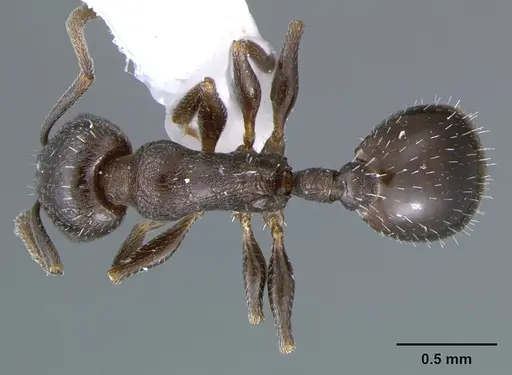
CASENT0172589
Auf AntWeb ansehen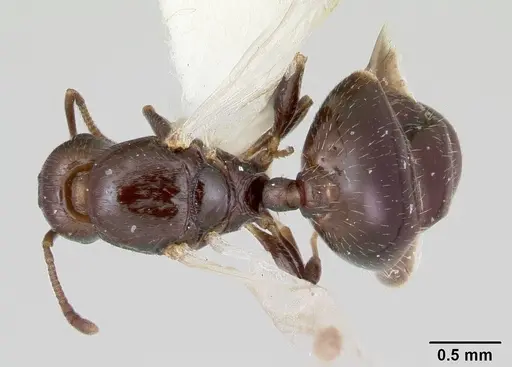
CASENT0172590
Auf AntWeb ansehen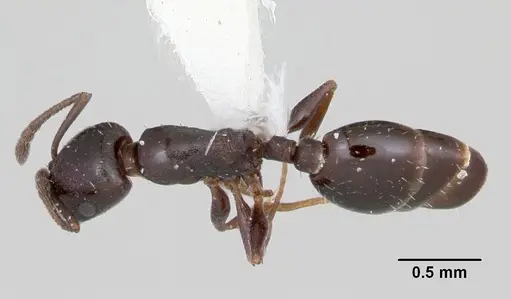
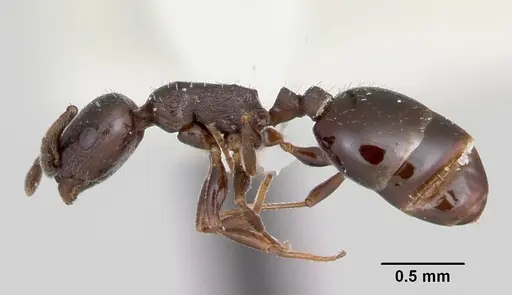
CASENT0172591
Auf AntWeb ansehen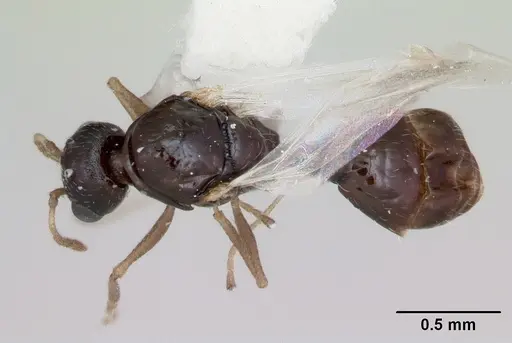
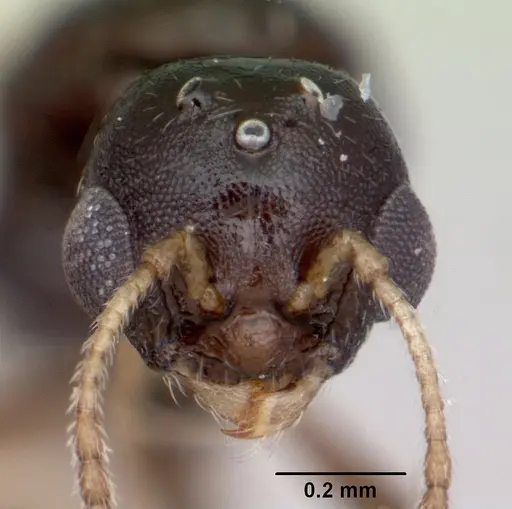
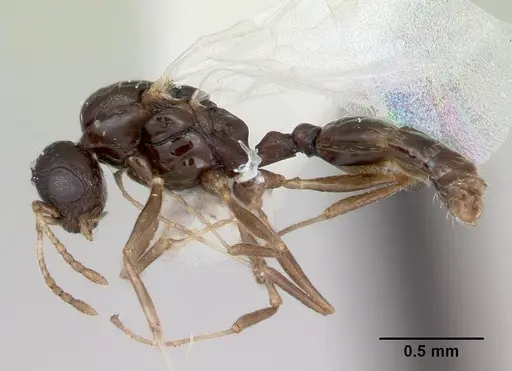
UTEPENTO25738-01
Auf AntWeb ansehen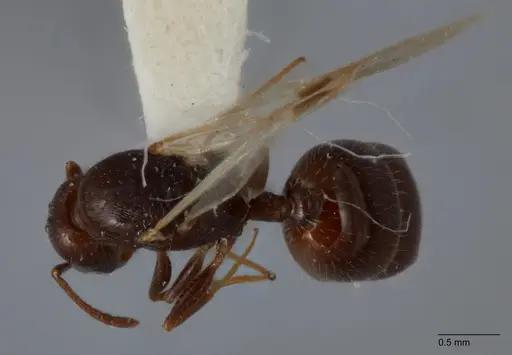
UTEPENTO25738-02
Auf AntWeb ansehen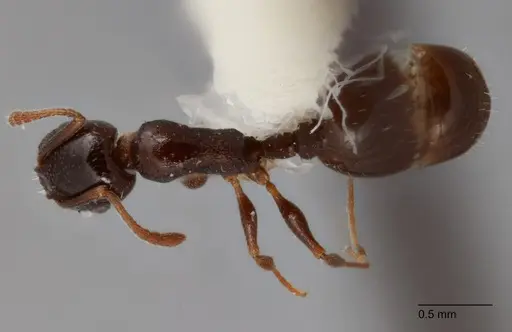
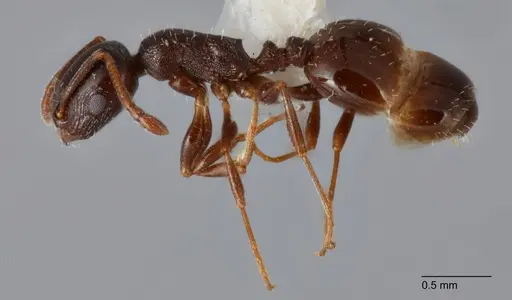
UTEPENTO25738-03
Auf AntWeb ansehen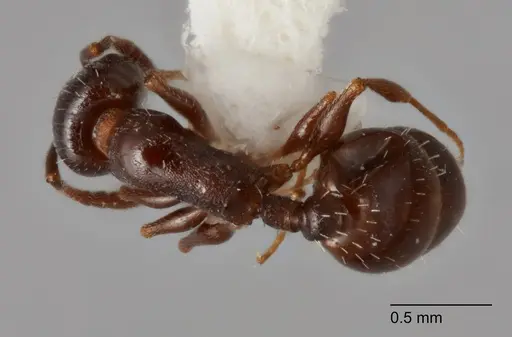
Literatur
Verbreitungskarte wird geladen...Produkte werden geladen...