
Temnothorax adlerzi
- Wiss. Name
- Temnothorax adlerzi
- Tribus
- Crematogastrini
- Unterfamilie
- Myrmicinae
- Autor
- Douwes <i>et al.</i>, 1988
- Verbreitung
- In 0 Ländern gefunden
Einleitung
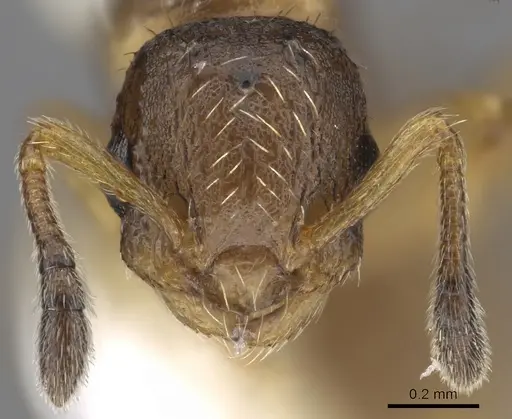
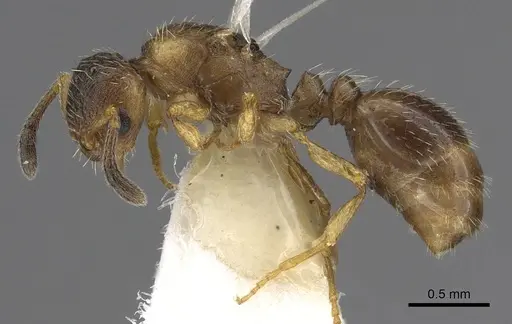
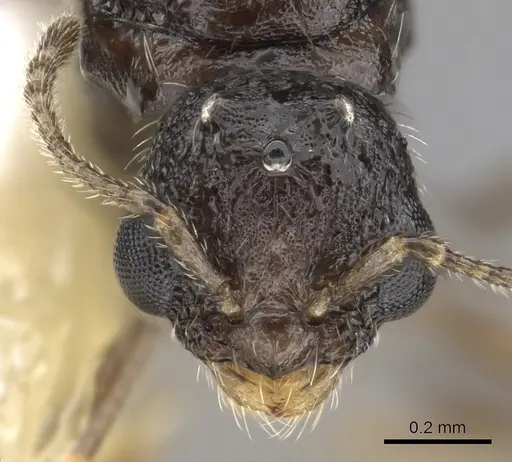
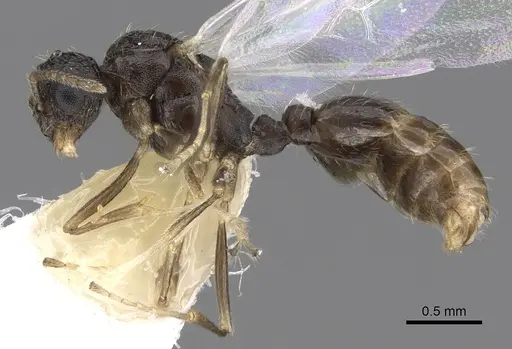
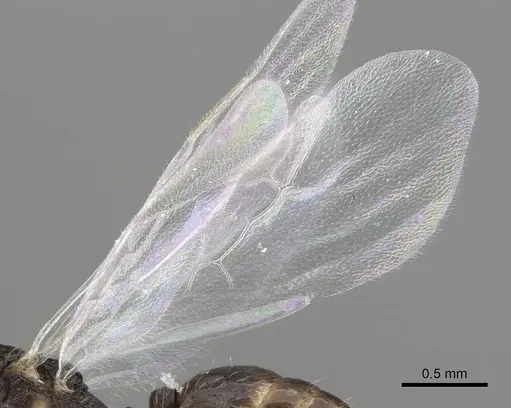
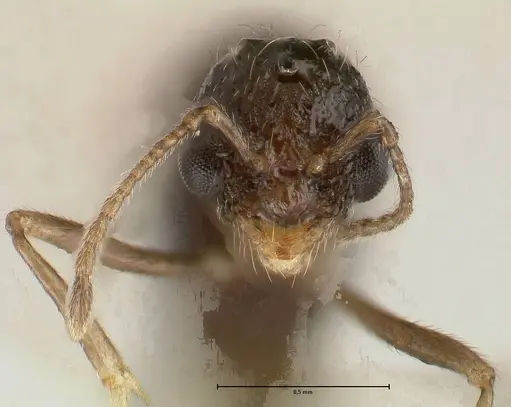
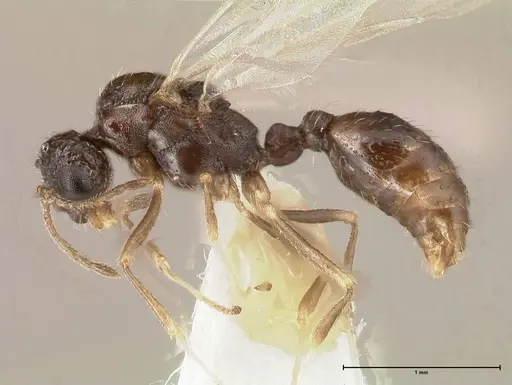
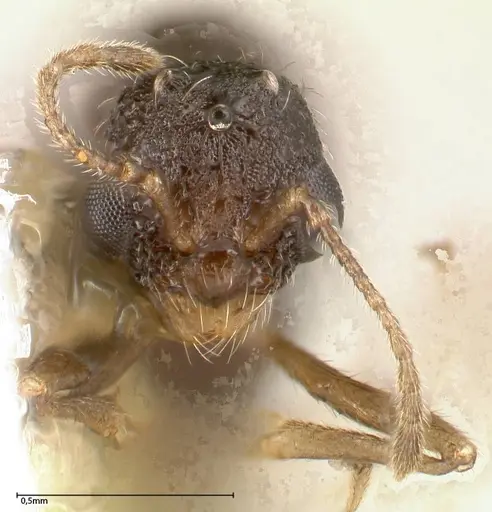
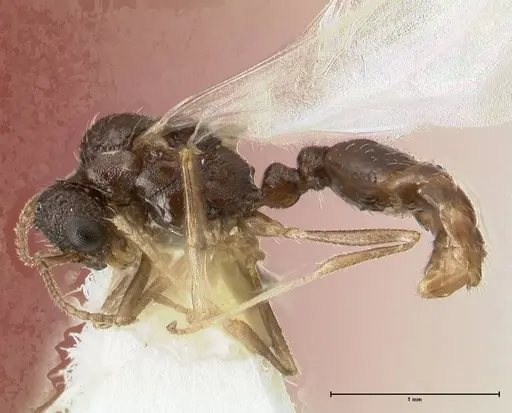
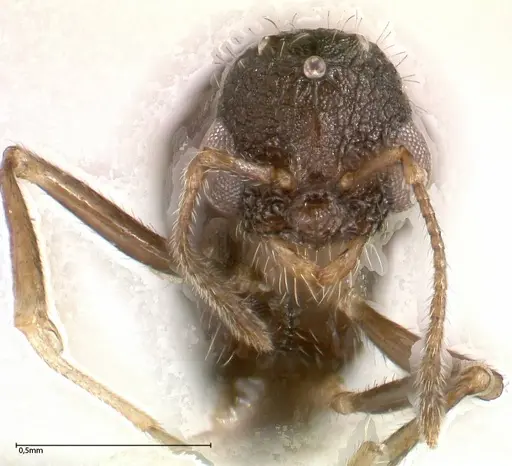
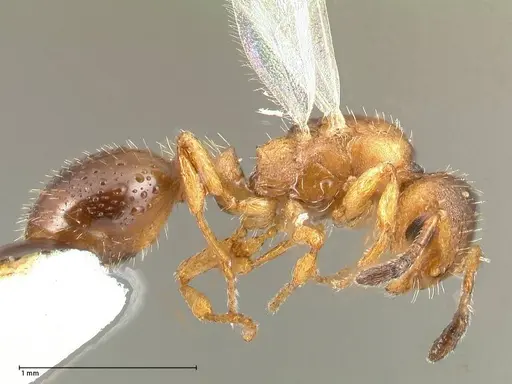
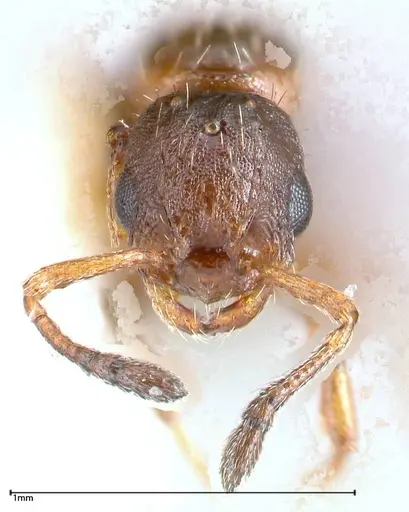
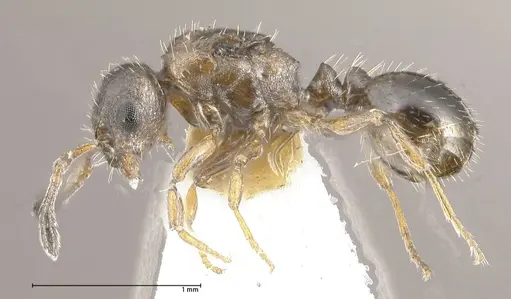
Temnothorax adlerzi is a very rare workerless social parasite - it has completely lost the worker caste . In nature, only queens (gynes) exist, living permanently in the nests of their host species, Temnothorax exilis . The queens are tiny (size unknown - inferred from Temnothorax genus, queens likely around 3-4 mm). This species is endemic to Greece, recorded only in northern and southern Greece (Macedonia, Peloponnese, Sterea Ellas) including near Korinthos . The genus was formerly placed in Myrmoxenus but has been moved to Temnothorax . This is one of the few known cases where ants have completely lost the worker caste - the queens cannot survive without host workers to feed them .
Quick Summary
- Difficulty: Expert
- Origin & Habitat: Endemic to Greece, found in the Peloponnese, Macedonia, and Sterea Ellas regions. This species lives exclusively in the nests of its host Temnothorax exilis [2][3].
- Colony Type: Workerless social parasite (inquiline). Only queens exist in nature, they produce only male and female sexual offspring, not workers [1]. The queens live permanently in host colonies and are fed by host workers.
- Size & Growth:
- Queen: Size unknown, inferred from Temnothorax genus, queens typically around 3-4 mm (total length) [2]
- Worker: Worker caste is completely absent in nature. One rare worker recorded in laboratory conditions from 745 female offspring, but this does not represent a functional caste [1]
- Colony: Not applicable, no worker force exists. The species produces only sexual offspring [1]
- Growth: Rapid, sexuals develop from non-overwintering brood ('rapid brood production') [1]
- Development: Not applicable, worker caste is absent. Sexual development is rapid from non-overwintering brood [1] (This species produces only sexuals (males and females), never workers. Development is adapted for rapid production of reproductives.)
- Antkeeping:
- Temperature: Unknown, no captive studies exist. Based on the host species' Mediterranean habitat, likely room temperature (18-24°C) but unconfirmed [2].
- Humidity: Unknown, no captive studies exist. Likely moderate humidity similar to the host species' natural dry habitats.
- Diapause: Unknown, queens overwinter in the maternal host nest [6]. Specific diapause requirements unstudied.
- Nesting: Cannot be kept independently. Requires an established host colony of Temnothorax exilis. Even then, successful captive maintenance has never been documented.
- Behavior: This species cannot survive independently. Queens are permanent social parasites that live entirely within host colonies of Temnothorax exilis [2]. They cannot feed themselves, forage, or build nests. The host workers feed the parasite queens through trophallaxis (mouth-to-mouth food sharing). Mating occurs inside the nest (intranidal mating), and there is significant inbreeding [1][6]. The species is completely dependent on host workers for survival.
- Common Issues: This species is a workerless social parasite, it cannot survive without a living host colony of Temnothorax exilis., No one has ever successfully kept this species in captivity, there is no established care protocol., Obtaining specimens is virtually impossible, only a handful of scientific collections have ever had access to them., The host species, Temnothorax exilis, is not commonly available in the antkeeping hobby., Attempting to introduce a parasite queen into a host colony carries a high risk of rejection or death of the queen.
Understanding This Species
Temnothorax adlerzi is not a typical ant that you can keep in a formicarium. It is a workerless social parasite, an inquiline, that has completely lost the ability to produce workers [1]. In nature, only female queens (gynes) have ever been found living in the nests of their host species, Temnothorax exilis [2]. The queens cannot feed themselves, build nests, or function without host workers. They are entirely dependent on the host colony for survival, being fed trophallactically by host workers. This is one of the most extreme cases of social parasitism in ants, representing a complete loss of the worker caste [1]. The species was originally described as Temnothorax adlerzi and later moved to Myrmoxenus before being transferred to Temnothorax [5]. Only a small number of gynes have been studied in scientific collections (17 in the most recent taxonomic study) [2].
Why This Species Cannot Be Kept Conventionally
Keeping T. adlerzi requires maintaining a healthy host colony of Temnothorax exilis AND introducing the parasite, a combination that has never been successfully achieved in captivity. Unlike slave-making ants that raid other colonies for workers, T. adlerzi queens are permanent inquilines that live peacefully within host colonies and are fed by host workers [2]. The queen cannot survive outside a host nest. Additionally, this species produces only sexual offspring (males and females), never workers [1]. Even in laboratory conditions where a single worker was once produced from 745 female offspring, this is considered an anomalous retention of cryptic plasticity rather than a functional worker caste [1]. There are no documented cases of anyone successfully establishing a captive colony of this species, and the extreme rarity of the species makes wild collection both unethical and potentially illegal in Greece.
Host Species Requirements
If attempting to keep this species, you would need to maintain a thriving colony of Temnothorax exilis as the host [2]. T. exilis is a small, yellowish-brown ant that nests in dry Mediterranean habitats. However, even if you successfully kept T. exilis, introducing T. adlerzi would be extremely challenging, the parasite queen must be accepted by the host colony, and there is no documented method for achieving this. The natural process by which T. adlerzi infiltrates host colonies is not fully understood but likely involves the queen entering an established nest and being adopted, similar to other inquiline parasites. Given that T. adlerzi is endemic to Greece and very rarely collected, obtaining specimens would be virtually impossible outside scientific collections.
Ethical and Practical Considerations
Temnothorax adlerzi is endemic to Greece and is known from only a small number of records, with 17 gynes studied in the most recent taxonomic work [2]. It should not be collected from the wild. Additionally, as a socially parasitic species with extreme conservation concerns, it would likely be protected under European wildlife regulations. The species has never been documented in the antkeeping hobby, and attempting to maintain it would require scientific-level resources and expertise. For these reasons, T. adlerzi should be considered a 'view only' species, fascinating to learn about but not a viable option for antkeepers. Instead, consider keeping common Temnothorax species like T. recedens or T. nylanderi, which are readily available and exhibit many of the interesting behaviors seen in the genus without the ethical and practical complications.
Frequently Asked Questions
Can I keep Temnothorax adlerzi in a formicarium?
No. You cannot keep this species in a conventional formicarium. It is a workerless social parasite that lives exclusively in the nests of its host species, Temnothorax exilis. The queens cannot feed themselves, build nests, or survive without host workers [1][2]. No documented successful captive keeping exists.
Does Temnothorax adlerzi have workers?
No. This is one of the few truly workerless ant species. In nature, only queens (gynes) exist, no workers have ever been found in wild colonies [1]. A single worker was produced once in laboratory conditions from 745 female offspring, but this was an anomaly rather than a functional worker caste [1].
What do Temnothorax adlerzi eat?
They do not eat independently. As an inquiline parasite, T. adlerzi queens are fed directly by host workers through trophallaxis (mouth-to-mouth food sharing) [2]. The host workers forage for food and then feed the parasite queens.
How big do Temnothorax adlerzi colonies get?
Colony size cannot be measured in the traditional sense. There are no workers, only queens and their sexual offspring (males and females). The 'colony' is really just the parasite queen living within a host colony [1].
Where does Temnothorax adlerzi live?
This species is endemic to Greece, found only in certain areas of northern and southern Greece including the Peloponnese, Macedonia, and Sterea Ellas regions [3][4][2]. It lives exclusively in nests of its host species, Temnothorax exilis [2].
Is Temnothorax adlerzi good for beginners?
No. This species is not suitable for any antkeeper, including experts. It cannot survive without a host colony, has never been kept in captivity, and is one of the rarest ants in Europe [2]. There is no established care protocol. If you are interested in interesting ants, consider keeping common Temnothorax species instead.
Do Temnothorax adlerzi ants sting?
No workers exist to sting. The queens are permanently hidden inside host nests and are fed by host workers, so they never need to defend themselves [2]. Based on its subfamily (Myrmicinae), the queen likely has a modified stinger for smearing venom, but it is never used in their hidden lifestyle.
How does Temnothorax adlerzi reproduce?
The queen produces only sexual offspring, males and females, never workers [1]. Mating occurs inside the nest (intranidal mating), and there is significant inbreeding since queens mate with related males from the same colony [1][6]. This is a permanent social parasite that cannot found its own colony.
What is the host species for Temnothorax adlerzi?
Temnothorax exilis is the confirmed host species. All 12 samples investigated showed T. adlerzi living in T. exilis nests [2]. The parasite queen lives permanently in the host nest and is fed by host workers.
Report an Issue
The current care sheet is based fully on literature. See inconsistencies, or something that's incorrect? Please , it will be resolved after review from an admin. Contributing to the blogs tab also helps providing information, to make us be able to further improve the caresheets. Thank you for your support!
References

Dieses Caresheet ist lizenziert unter CC BY-SA 4.0 .
Community-Blogs
CASENT0901767
Auf AntWeb ansehen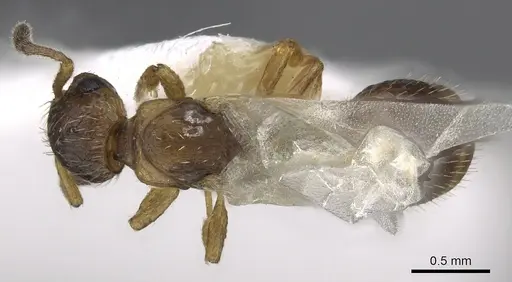
CASENT0901768
Auf AntWeb ansehen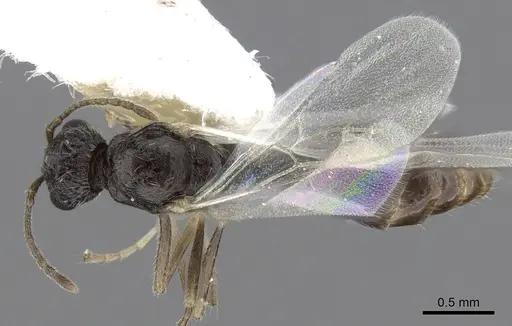
FOCOL0635
Auf AntWeb ansehen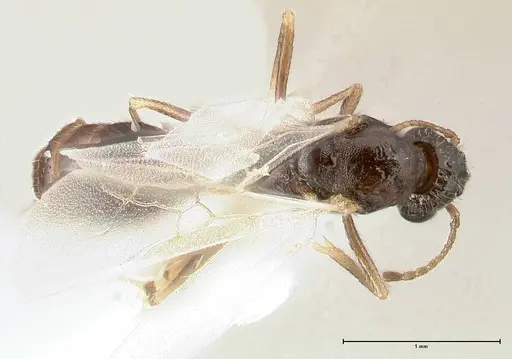
FOCOL0636
Auf AntWeb ansehen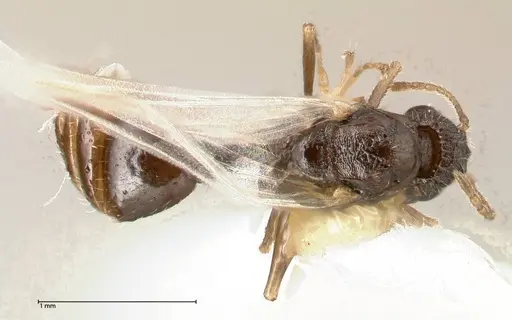
FOCOL0637
Auf AntWeb ansehen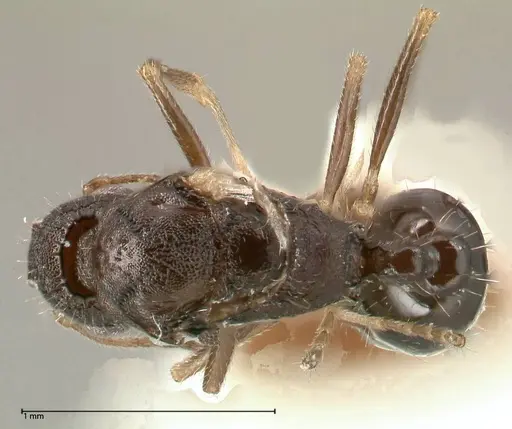
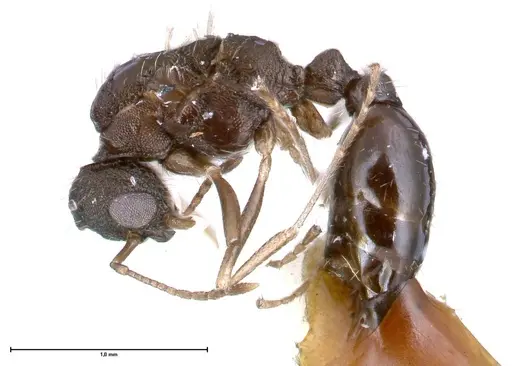
FOCOL0638
Auf AntWeb ansehen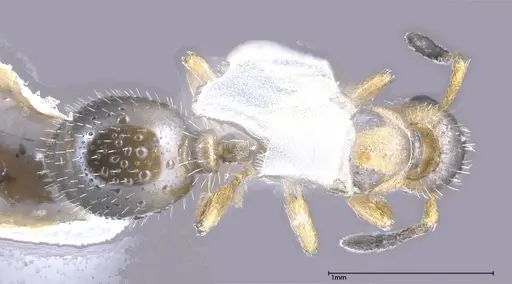
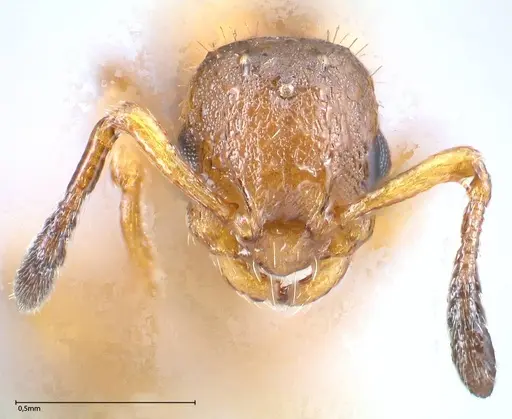
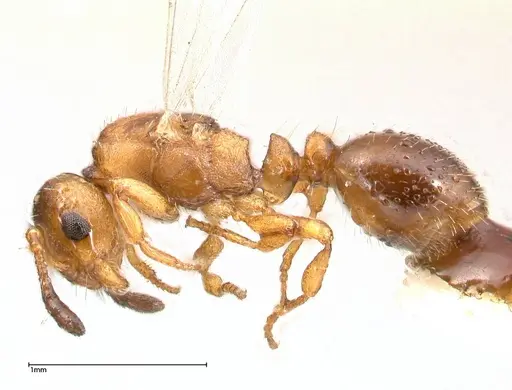
FOCOL0639
Auf AntWeb ansehen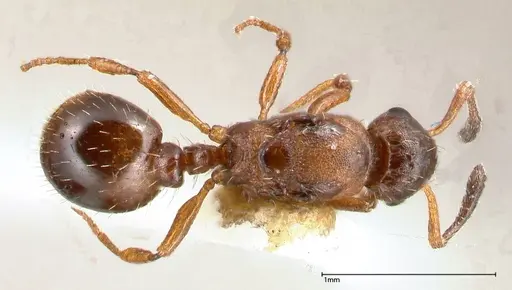
Literatur
Verbreitungskarte wird geladen...Produkte werden geladen...