
Solenopsis ugandensis
- Wiss. Name
- Solenopsis ugandensis
- Tribus
- Solenopsidini
- Unterfamilie
- Myrmicinae
- Autor
- Santschi, 1933
- Verbreitung
- In 0 Ländern gefunden
Einleitung
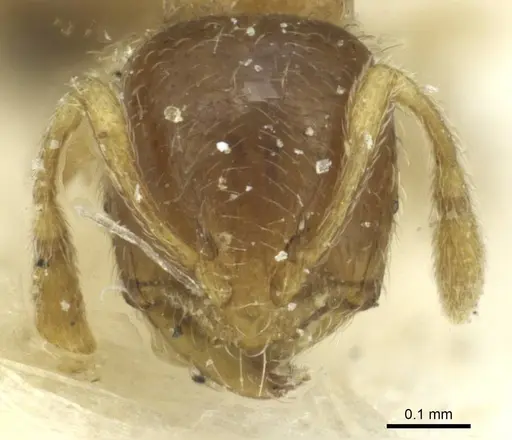
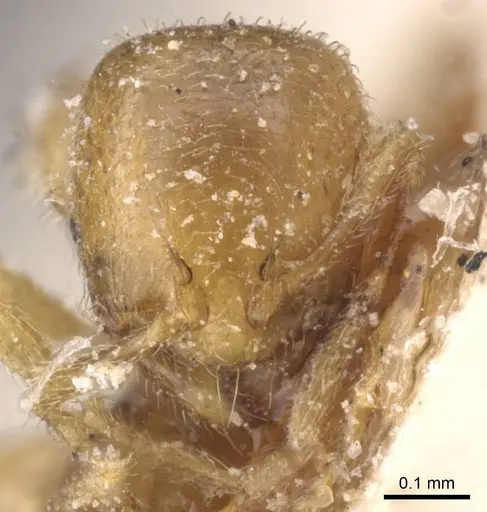
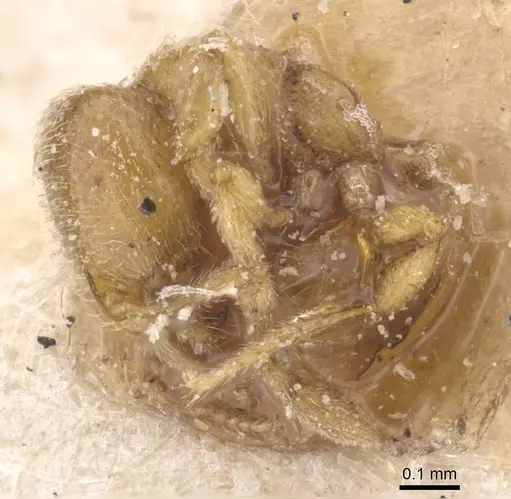
Solenopsis ugandensis is a fire ant species native to Central and Southern Africa . Workers are small, typically 2-4 mm (inferred from the Solenopsis genus) , with reddish-brown to dark coloration. Like other fire ants, they have a potent sting that delivers painful venom (subfamily Myrmicinae, tribe Solenopsidini). This species has been recorded in the Democratic Republic of Congo (Kasai region) and South Africa's Limpopo province at elevations around 1000-1200 m . They nest in soil and are active, moderately aggressive foragers.
Quick Summary
- Difficulty: Medium
- Origin & Habitat: Native to Central Africa (Democratic Republic of Congo) and Southern Africa (South Africa, Limpopo) [1][2]. Found in open habitats at elevations around 1000-1200 m [1][2].
- Colony Type: Likely monogyne (single-queen colonies) based on typical Solenopsis patterns, but this has not been confirmed for this species specifically [3].
- Size & Growth:
- Queen: ~5-7 mm (inferred from Solenopsis genus) [3]
- Worker: ~2-4 mm (inferred from Solenopsis genus) [3]
- Colony: Up to several hundred workers (estimated from genus patterns) [3]
- Growth: Moderate
- Development: 5-8 weeks at optimal temperature (inferred from Solenopsis genus) [3] (Development speed depends on temperature, specific timing for this species is unconfirmed.)
- Antkeeping:
- Temperature: Keep at 24-28°C, fire ants prefer warm conditions. Use a heating cable on one side of the nest to create a gradient. Avoid temperatures below 20°C or above 32°C (inferred from Solenopsis genus) [3].
- Humidity: Moderate, allow the nest substrate to dry partially between waterings. Fire ants tolerate drier conditions than many tropical ants (inferred from Solenopsis genus) [3].
- Diapause: Unconfirmed, given their African range, true hibernation is unlikely, but colonies may reduce activity during cooler periods.
- Nesting: Test tubes work for founding. Established colonies do well in Y-tong (aerated concrete) or naturalistic soil setups. They prefer compact chambers over large spaces (inferred from Solenopsis genus) [3].
- Behavior: Active foragers with strong stinging defenses. Workers hunt small invertebrates and scavenge protein. They are territorial and defend the nest aggressively. Escape risk is high due to small worker size, use fine mesh (0.5 mm or smaller) and secure all connections.
- Common Issues: potent sting, handle with care, use gloves when working with colonies, escape risk due to small size, fine mesh barriers are essential, aggressive defense of nest, avoid disturbing the colony unnecessarily, limited species-specific information, care is somewhat experimental
Temperature and Care
Based on typical Solenopsis requirements, keep Solenopsis ugandensis at 24-28°C [3]. Use a heating cable on top of the nest to create a gentle thermal gradient, letting workers self-regulate. Avoid temperatures above 32°C or below 20°C. Moderate humidity works, allow the substrate to dry partially between waterings to prevent mold. Specific data for this species is unavailable, so watch your colony and adjust as needed.
Feeding and Diet
Solenopsis ugandensis is omnivorous with a strong preference for protein [3]. Offer small live prey like fruit flies, pinhead crickets, or small mealworms. They also accept dead insects and commercial ant foods. Provide sugar sources (honey or sugar water) occasionally. For founding colonies, give small protein portions every few days. For established colonies, feed 2-3 times per week. Remove uneaten food to prevent mold. Always provide fresh water via a test tube with cotton plug.
Nesting Preferences
In captivity, Solenopsis ugandensis does well in test tube setups for founding. The queen likely raises her first brood without leaving the chamber (claustral founding, inferred from genus patterns) [3]. Once the colony reaches up to 30 workers, move them to a Y-tong (aerated concrete) or naturalistic soil nest. These ants prefer snug, compact chambers over spacious nests. Ensure proper drainage to avoid waterlogging.
Behavior and Temperament
This species is defensive and will sting when threatened [3]. Wear gloves when handling established colonies. Workers are active foragers that form visible trails. They aggressively defend the nest. Because workers are small (2-4 mm), use fine mesh barriers (0.5 mm or smaller) to prevent escapes. The queen is well-protected by workers.
Colony Founding
Based on typical Solenopsis patterns, founding is likely claustral, the queen seals herself in a chamber and does not forage [3]. She relies on stored fat to feed the first brood. Keep the founding chamber dark and undisturbed. After 5-8 weeks, the first workers (nanitics) emerge. Once they appear, they will start foraging. Avoid disturbing the queen during founding to prevent stress or abandonment.
Frequently Asked Questions
How long does it take for Solenopsis ugandensis to produce first workers?
Expect first workers (nanitics) to emerge around 5-8 weeks after the queen lays her first eggs, assuming optimal temperatures around 26°C [3]. Development may be slower at cooler temperatures.
Can I keep Solenopsis ugandensis in a test tube?
Yes, test tubes work well for founding colonies. Use a standard setup with water reservoir and cotton plug. Once the colony reaches up to 30 workers, consider moving to a Y-tong or naturalistic nest.
What temperature does Solenopsis ugandensis need?
Keep colonies at 24-28°C for optimal growth [3]. Use a heating cable on top of the nest. Avoid temperatures below 20°C or above 32°C.
Are Solenopsis ugandensis good for beginners?
This species is rated as medium difficulty. The potent sting and escape risk make it better suited for keepers with some experience. Beginners should start with less aggressive species.
How big do Solenopsis ugandensis colonies get?
Based on typical Solenopsis patterns, colonies likely reach up to several hundred workers at maturity [3]. Exact maximum size is unconfirmed for this species.
Do Solenopsis ugandensis need hibernation?
Diapause requirements are unconfirmed for this species. Given their African range, true hibernation is unlikely, but colonies may reduce activity during cooler periods.
What do Solenopsis ugandensis eat?
They are omnivorous with a preference for protein [3]. Feed small live prey like fruit flies, pinhead crickets, or small mealworms. They also accept dead insects, protein gels, and occasionally sugar water.
Can I keep multiple queens together?
Not recommended. This species is likely monogyne (single queen) based on typical Solenopsis behavior [3]. Combining unrelated queens usually leads to fighting and death.
Why are my Solenopsis ugandensis escaping?
Their small worker size (2-4 mm) allows them to slip through tiny gaps. Use fine mesh barriers (0.5 mm or smaller), ensure lid seals are tight, and check all connections. Escape prevention is critical.
Report an Issue
The current care sheet is based fully on literature. See inconsistencies, or something that's incorrect? Please , it will be resolved after review from an admin. Contributing to the blogs tab also helps providing information, to make us be able to further improve the caresheets. Thank you for your support!
References

Dieses Caresheet ist lizenziert unter CC BY-SA 4.0 .
Community-Blogs
CASENT0902362
Auf AntWeb ansehen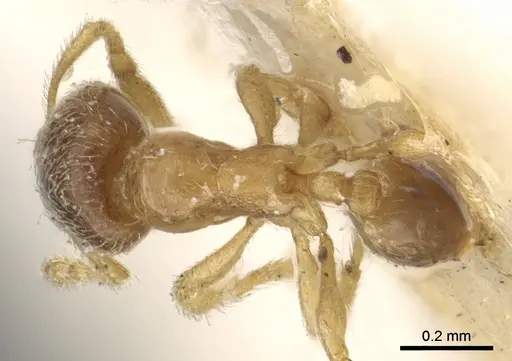
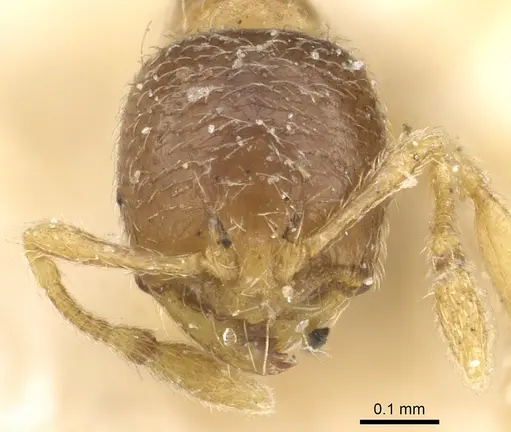
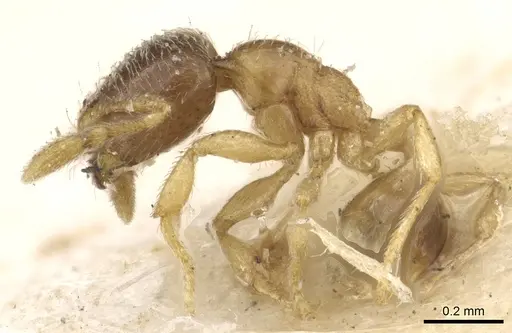
CASENT0913945
Auf AntWeb ansehen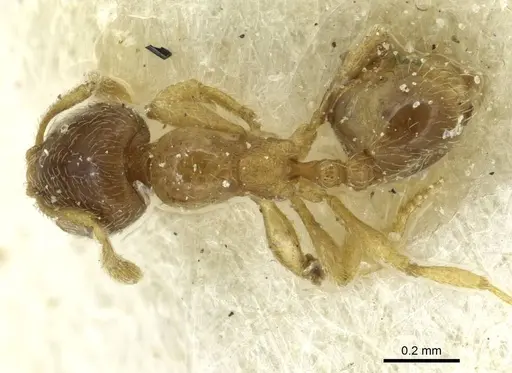
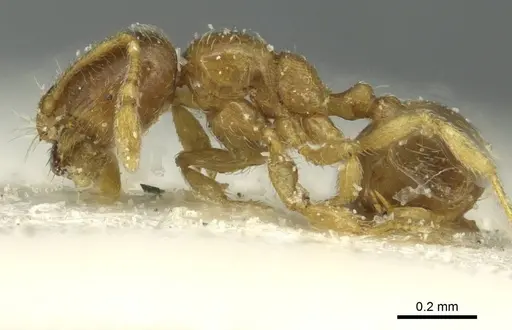
CASENT0913946
Auf AntWeb ansehen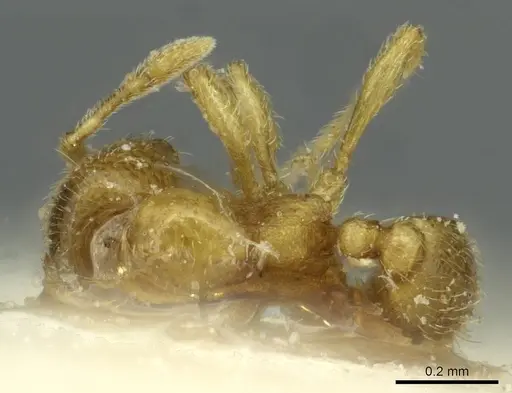
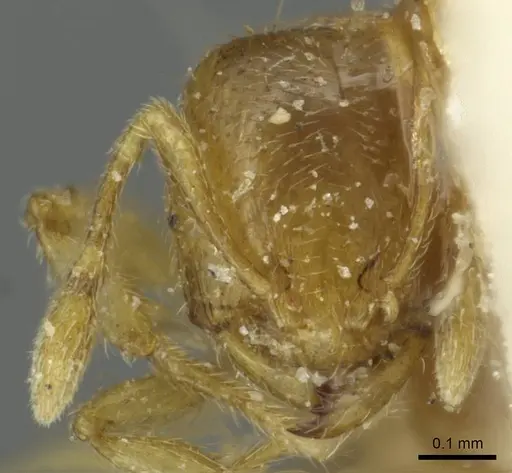
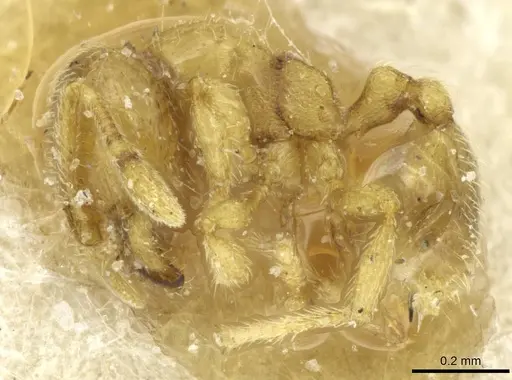
RMCAENT000017775
Auf AntWeb ansehen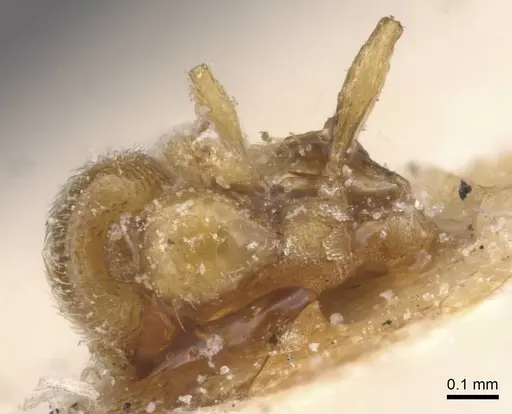
Literatur
Verbreitungskarte wird geladen...Produkte werden geladen...