
Solenopsis jalalabadica
- Wiss. Name
- Solenopsis jalalabadica
- Tribus
- Solenopsidini
- Unterfamilie
- Myrmicinae
- Autor
- Pisarski, 1970
- Verbreitung
- In 0 Ländern gefunden
Einleitung
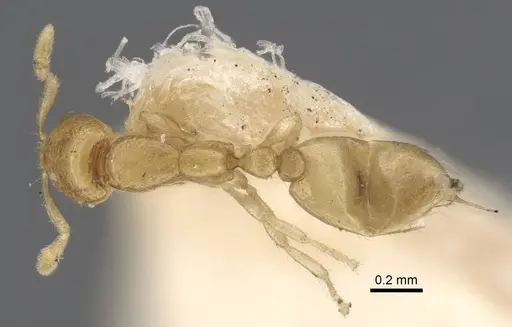
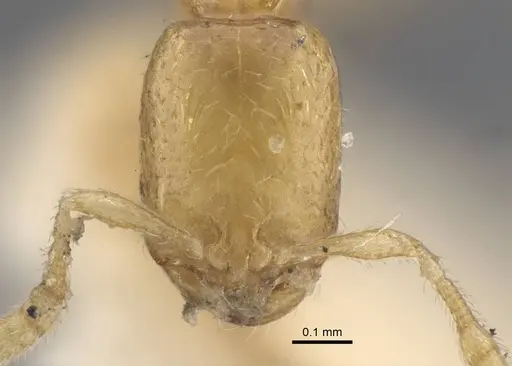
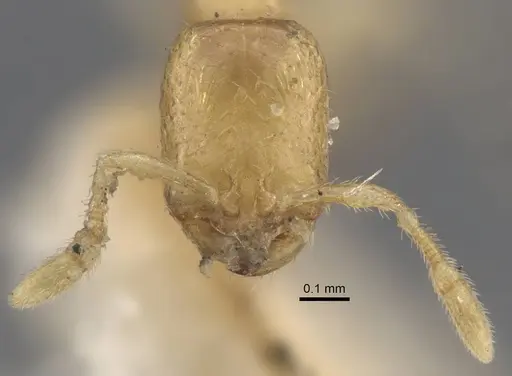
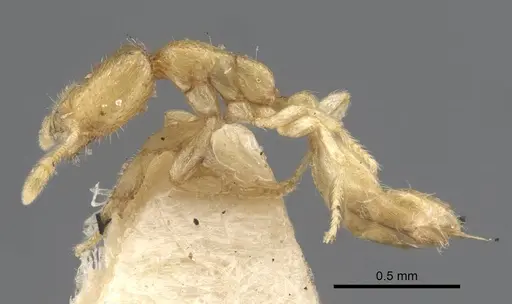
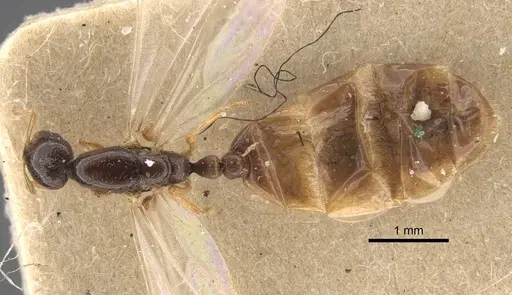
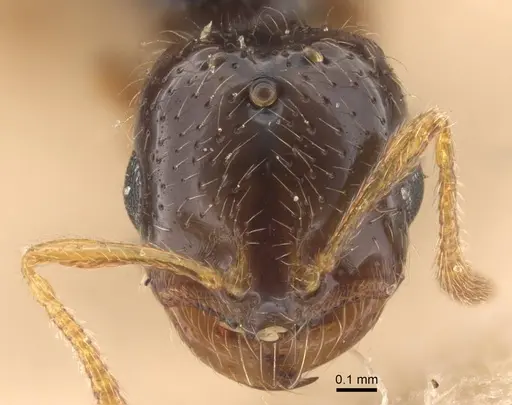
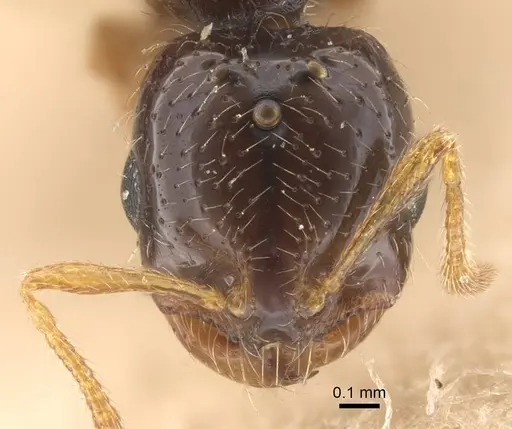
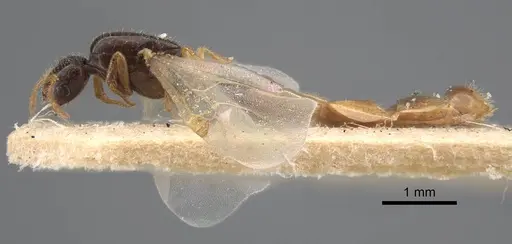
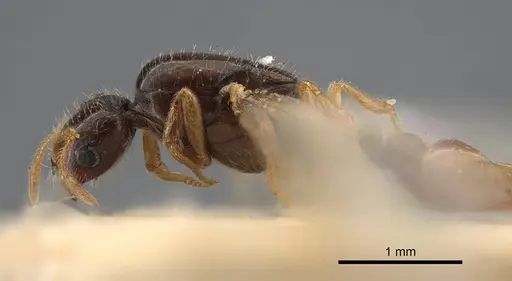
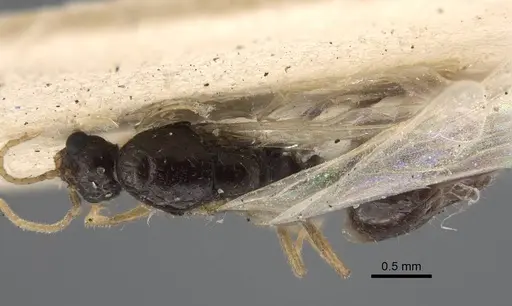
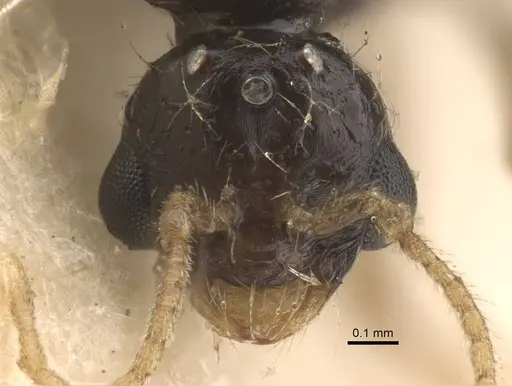
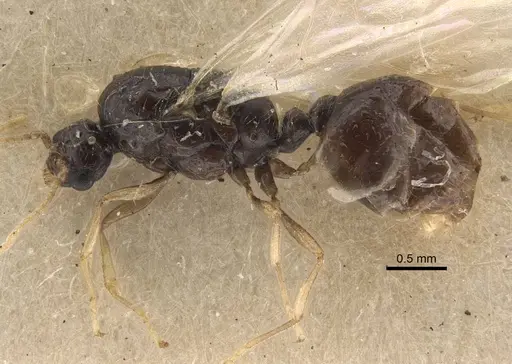
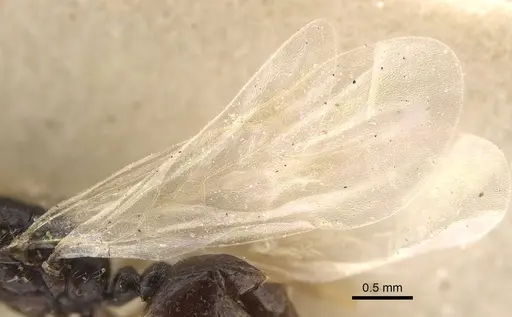
Solenopsis jalalabadica is a small ant species native to Afghanistan's Nengrahar province, specifically the Jalalabad area at around 620 m elevation . It was originally described by Pisarski in 1970 from workers, queens, and males collected in 1965-1966 . As a member of the Solenopsidini tribe within Myrmicinae, they have a functional stinger and can deliver a painful sting. This species comes from a region with hot summers and cold winters, so it likely tolerates seasonal temperature swings.
Quick Summary
- Difficulty: Medium
- Origin & Habitat: Afghanistan (Nengrahar province, Jalalabad area) in the Palaearctic region. Found at approximately 620m elevation in what is typically a hot, semi-arid to arid lowland environment [1].
- Colony Type: Unconfirmed, based on typical Solenopsis patterns, likely monogyne or small polygyny, but no species-specific data exists.
- Size & Growth:
- Queen: Size data unavailable
- Worker: Size data unavailable
- Colony: Unknown, no data available
- Growth: Unknown, no data available
- Development: Unknown, no data available (No specific study exists for this species. Development time is estimated.)
- Antkeeping:
- Temperature: Based on its native climate, likely needs warm temperatures around 24-30°C. Provide a gradient with a heating cable on one side of the nest.
- Humidity: Moderate humidity, allow the nest substrate to dry partially between waterings. Provide a water source for drinking but avoid constant moisture.
- Diapause: Likely required due to cold winters in Afghanistan. Keep at 10-15°C for 2-3 months in winter. Reduce feeding during this period.
- Nesting: Likely nests in soil in nature. In captivity, use a formicarium with soil or sand substrate, or a Y-tong nest. Provide a warm, relatively dry nesting area with some moisture available.
- Behavior: As a Solenopsis, this species is defensive and will sting when disturbed. They are active foragers and likely aggressive when the colony is threatened. Escape prevention is important due to their small size.
- Common Issues: care requirements mostly unknown, which can lead to colony failure if not monitored closely., high escape risk due to small size, ensure tight seals on formicarium., sting may cause allergic reactions in some keepers, handle with care and use gloves.
Origin and Natural Habitat
Solenopsis jalalabadica comes from the Nengrahar province of Afghanistan, specifically the Jalalabad area at approximately 620 meters elevation [1]. The species was described by Pisarski in 1970 based on specimens collected in January-March 1965-1966 [1]. This region has a continental semi-arid climate with hot summers and cold winters, indicating the species is adapted to seasonal extremes.
Temperature and Heating
Being from a warm lowland region, this species likely prefers temperatures on the warmer side. Aim for 24-30°C in the nest area for optimal colony activity and brood development. Use a heating cable or mat on one side of the formicarium to create a temperature gradient that allows the ants to self-regulate. Avoid prolonged temperatures below 20°C during the active season.
Humidity and Water
This species comes from a relatively dry region, so it likely prefers moderate humidity rather than constantly damp conditions. Allow the nest substrate to dry partially between waterings, but always provide access to fresh water. A test tube water reservoir attached to the outworld works well for drinking. Mist the outworld occasionally during the active season rather than keeping the nest constantly wet. The key is balance, enough moisture for the colony but not saturated conditions that promote mold.
Feeding and Diet
Like other Solenopsis species, S. jalalabadica is likely an omnivore that accepts both protein and sugar sources. In captivity, offer a varied diet including small insects (fruit flies, pinhead crickets, mealworms) as protein, and sugar water, honey, or diluted syrup as carbohydrates. Fire ants are opportunistic feeders and will typically accept most offered foods. Feed protein-rich foods 2-3 times per week, and keep a constant sugar source available. Remove uneaten prey after 24-48 hours to prevent mold. Young colonies should be fed more frequently with smaller portions.
Winter Care and Diapause
Based on the climate of their native Afghanistan habitat, this species almost certainly requires a winter diapause period. During winter (roughly November through February in the Northern Hemisphere), reduce temperatures to around 10-15°C. Achieve this by moving the colony to a cool basement, garage, or refrigerator (not freezer). During diapause, reduce feeding significantly, offering a small amount of food once every 2-3 weeks is sufficient. Do not feed heavily during hibernation as the colony's metabolism slows. Return to normal temperatures and feeding gradually in spring. Skipping diapause can stress the colony and affect queen longevity.
Defense and Sting
As a member of Solenopsis (fire ants), this species has a functional stinger and can deliver a painful sting. When their nest is disturbed, workers will aggressively swarm and sting repeatedly. The sting causes a burning sensation and small welts in humans, similar to other fire ant species. When working with this species, use caution: wear gloves and avoid putting your hand near the nest. If stung, wash the area with soap and water and apply a cold compress. The venom is not typically dangerous unless someone has an allergic reaction. This defensive behavior also means escape prevention is important, stung ants release alarm pheromones that trigger more aggressive responses from nestmates.
Frequently Asked Questions
How long does it take for Solenopsis jalalabadica to raise their first workers?
The exact timeline is unknown for this species. No specific studies exist. Based on typical Solenopsis patterns, it may take 5-8 weeks at warm temperatures, but this is speculative. Be patient and monitor the colony closely.
What do I feed Solenopsis jalalabadica?
Feed them a varied diet including small insects (fruit flies, small crickets, mealworms) for protein and sugar water, honey, or diluted syrup for carbohydrates. Like other fire ants, they are opportunistic omnivores. Offer protein 2-3 times per week and keep a constant sugar source available. Remove uneaten food promptly.
Do Solenopsis jalalabadica need hibernation?
Yes, based on their origin in Afghanistan with cold winters, they likely require a winter diapause period. Keep them at cool temperatures (10-15°C) for 2-3 months during winter. Reduce feeding during this period. Skipping hibernation can stress the colony and may affect the queen's health and longevity.
How big do Solenopsis jalalabadica colonies get?
The maximum colony size is unconfirmed for this species. Many Solenopsis species form colonies of several hundred to a few thousand workers, but given limited data, it's best to expect unknown colony size. Monitor growth without assuming a specific size.
Is Solenopsis jalalabadica good for beginners?
This species is rated as medium difficulty. While not the most challenging species, the lack of established care guidelines, requirement for warm temperatures, and need for winter diapause make it better suited for keepers with some experience. Their small size and stinging behavior also require careful handling and escape prevention.
Can I keep multiple queens together in one colony?
The colony structure for this species is unconfirmed. Many Solenopsis species are polygynous (multiple queens), but some are monogyne (single queen). Without specific data for S. jalalabadica, it is not recommended to combine unrelated foundress queens, as fighting and colony failure may occur. If you obtain a colony, assume single-queen structure unless you observe multiple queens living peacefully.
What temperature do Solenopsis jalalabadica need?
Based on their native climate, they likely need warm temperatures around 24-30°C in the nest area. Use a heating cable or mat on one side of the nest to create a gradient. Avoid prolonged temperatures below 20°C during the active season.
When do Solenopsis jalalabadica nuptial flights occur?
The exact timing is unconfirmed. Based on the collection dates of the original type series (February-March), flights may occur in late winter to early spring in their native range [1]. In captivity, watch for winged reproductives appearing in late winter or early spring, which may indicate approaching flight season.
What type of nest is best for Solenopsis jalalabadica?
A standard formicarium with soil or sand substrate works well, allowing them to create their own chambers. Y-tong (AAC) nests are also suitable and make observation easier. Provide a warm, relatively dry nesting area with access to moisture. Ensure escape prevention is excellent as they are small and can squeeze through tiny gaps.
Report an Issue
The current care sheet is based fully on literature. See inconsistencies, or something that's incorrect? Please , it will be resolved after review from an admin. Contributing to the blogs tab also helps providing information, to make us be able to further improve the caresheets. Thank you for your support!
References

Dieses Caresheet ist lizenziert unter CC BY-SA 4.0 .
Community-Blogs
Literatur
Verbreitungskarte wird geladen...Produkte werden geladen...