
Pseudoneoponera excavata
- Wiss. Name
- Pseudoneoponera excavata
- Tribus
- Ponerini
- Unterfamilie
- Ponerinae
- Autor
- Emery, 1893
- Verbreitung
- In 0 Ländern gefunden
Einleitung
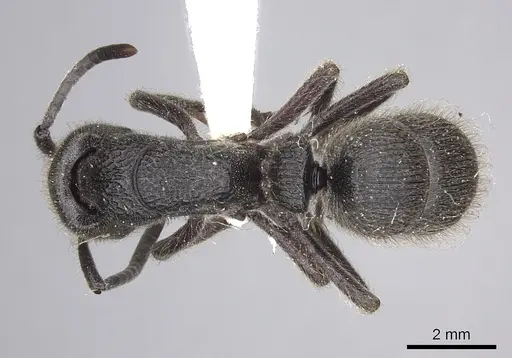
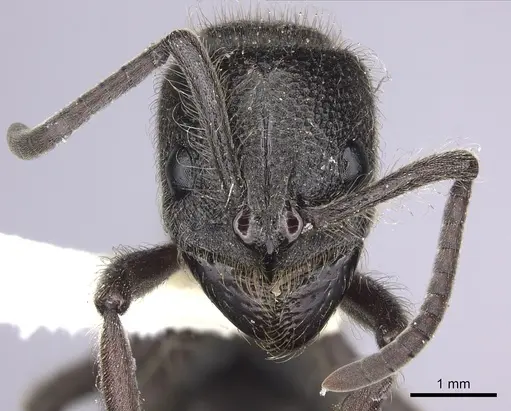
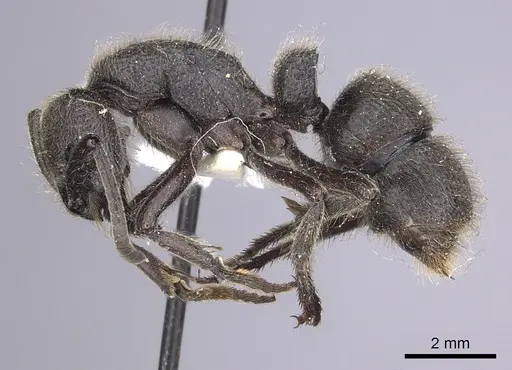
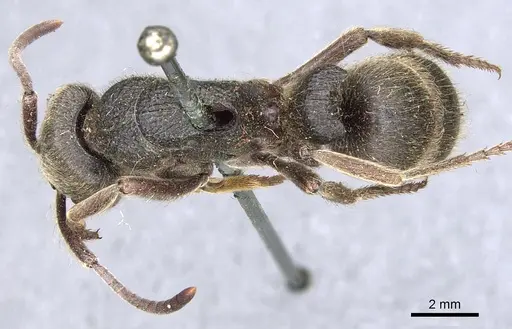
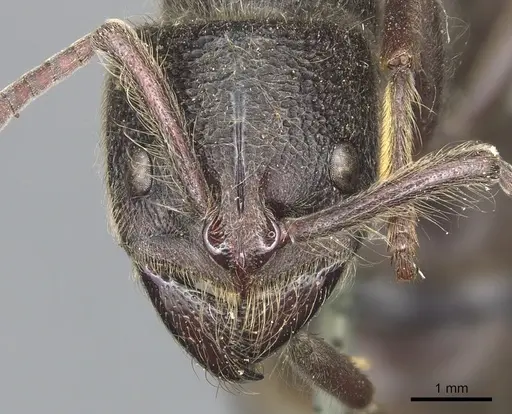
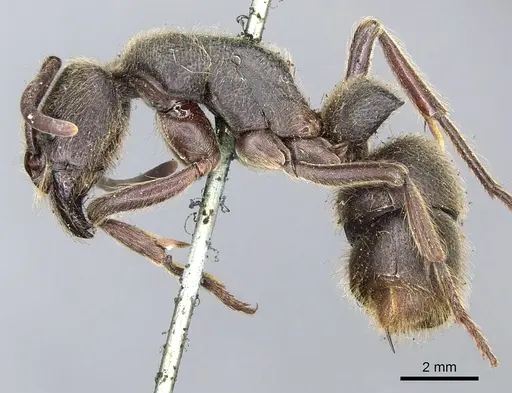
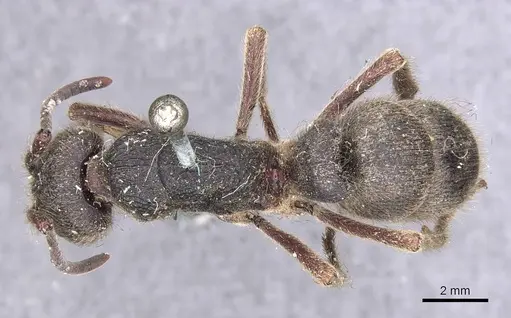
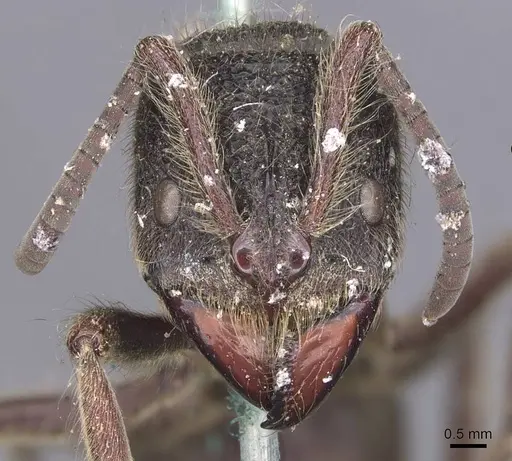
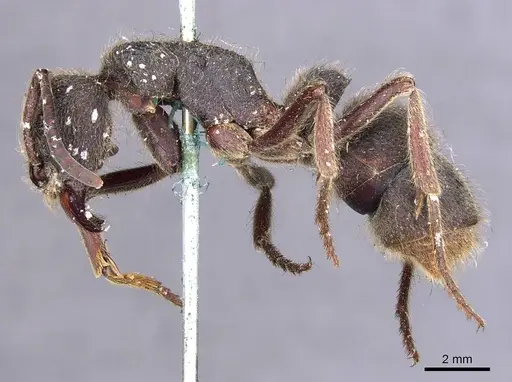
Pseudoneoponera excavata is a small Ponerine ant from Australia, originally called Ponera excavata . Workers have a functional stinger typical of Ponerine ants, capable of delivering a painful sting. You can identify them by the lateral projections on the back of the petiole . They belong to an older ant lineage that uses a stinger to subdue prey, unlike newer ant groups that rely on chemical sprays or have lost their stingers.
Quick Summary
- Difficulty: Medium
- Origin & Habitat: Australia [1]. Specific habitat preferences are not documented in available research.
- Colony Type: Unknown, no research data available on colony structure.
- Size & Growth:
- Queen: Size data unavailable, no measurements found in available research.
- Worker: Size data unavailable, no measurements found in available research.
- Colony: Unconfirmed, no research data on colony sizes.
- Growth: Unknown, Ponerine ants are generally slow-growing, but this is unconfirmed for this species.
- Development: Unknown, no research data on development time. (Development timeline is unconfirmed. Based on Ponerine patterns, expect months from egg to worker, but this is inferred.)
- Antkeeping:
- Temperature: Unknown, no species-specific data. As a guess based on typical Ponerine care, keep around 20-25°C, but this is unconfirmed.
- Humidity: Unknown, no species-specific data. Ponerine ants generally need high humidity. Keep nest substrate moist but not waterlogged.
- Diapause: Unknown, no research data. Australian origin suggests no true hibernation, but activity may slow during cooler months.
- Nesting: Unknown, no research data. Ponerine ants often nest in soil or under stones. In captivity, a moist test tube or plaster nest is a reasonable guess.
- Behavior: As a Ponerine ant, Pseudoneoponera excavata has a functional stinger and is likely predatory. Handle with care. Escape prevention is important. Colonies are probably quiet and less active than more derived ants, but all behavior is inferred from subfamily patterns.
- Common Issues: slow growth, may take months to establish (inferred from Ponerine patterns, unconfirmed)., stinging, workers have a functional stinger and will sting if threatened., humidity management critical, too dry harms colonies, too wet causes mold., rarely available in the hobby, not a common species in antkeeping., wild-caught colonies may carry parasites, quarantine new colonies.
Housing and Nest Setup
Since no specific housing data exists for this species, follow general Ponerine guidelines. Start with a test tube setup with a water reservoir, keeping the cotton moist but not flooded. When the colony outgrows the test tube, move them to a small formicarium with plaster or soil-based nesting chambers. These ants likely prefer dark, humid spaces, so keep the nest area dim. Connect a small outworld for foraging via tubing.
Feeding and Diet
Pseudoneoponera excavata is a Ponerine ant, so it is likely predatory. Offer small live prey like fruit flies, small crickets, or mealworms. Prey should be about the same size as the workers. Some colonies may accept frozen insects or protein jelly, but live prey is ideal. Sugar sources are probably not needed. Feed every 2-3 days and remove uneaten prey after 24 hours.
Temperature and Seasonal Care
Temperature and seasonal needs are unconfirmed. As a guess, maintain temperatures around 20-25°C, similar to many Ponerines. A heating cable on one side can create a gradient. Avoid temperatures dropping below 15°C. Humidity should stay high, keep the nest substrate moist. Seasonal diapause is unknown, if activity slows in cooler months, reduce feeding but do not force hibernation.
Behavior and Handling
Workers have a functional stinger and will sting if they feel threatened. Handle with soft-bristled tools and avoid direct contact. Temperament is likely defensive but not aggressive unless provoked. They are active hunters and patrol their territory. Escape prevention is important, like most ants, they can exploit small gaps.
Colony Development
Development is unconfirmed, but Ponerine ants are generally slow. Founding queens may take months to lay their first eggs, and workers appear even later. The first workers (nanitics) will be smaller. Patience is key, do not disturb the queen during founding. Once established, colonies may live for years, but specific longevity is unknown.
Frequently Asked Questions
Does Pseudoneoponera excavata sting?
Yes, based on its subfamily (Ponerinae), it has a functional stinger and will sting if threatened. Handle with care.
How long does it take for Pseudoneoponera excavata to have first workers?
This is unconfirmed. Based on Ponerine patterns, expect months from founding to first workers, but no specific data exists.
What do Pseudoneoponera excavata ants eat?
They are likely predatory. Offer small live insects like fruit flies and small crickets. Some may accept frozen insects or protein jelly.
Is Pseudoneoponera excavata good for beginners?
We rate it Medium difficulty, but its care requirements are largely unknown. It is not recommended for beginners because there is little research to guide care.
What temperature do Pseudoneoponera excavata ants need?
Temperature needs are unknown. As a guess, keep around 20-25°C, but this is unconfirmed. Avoid extremes.
How big do Pseudoneoponera excavata colonies get?
Colony size is unconfirmed. No research data exists. Ponerine colonies are often small to moderate, but that is speculation.
Do Pseudoneoponera excavata queens need hibernation?
Hibernation requirements are unknown. Australian origin suggests no true diapause, but activity may slow during cooler months. Keep at room temperature year-round.
Can I keep multiple Pseudoneoponera excavata queens together?
Colony structure is unconfirmed. Without evidence of polygyny, assume single-queen colonies. Do not combine queens.
What humidity level do Pseudoneoponera excavata ants need?
Specific humidity is unknown. Ponerine ants generally require high humidity, keep the nest substrate moist but not waterlogged. Dry conditions are likely harmful.
When should I move Pseudoneoponera excavata to a formicarium?
Wait until the test tube becomes crowded. No specific worker count is known, use your judgment. Provide small, humid nesting chambers.
Report an Issue
The current care sheet is based fully on literature. See inconsistencies, or something that's incorrect? Please , it will be resolved after review from an admin. Contributing to the blogs tab also helps providing information, to make us be able to further improve the caresheets. Thank you for your support!
References

Dieses Caresheet ist lizenziert unter CC BY-SA 4.0 .
Community-Blogs
Literatur
Verbreitungskarte wird geladen...Produkte werden geladen...