
Pseudolasius sunda
- Wiss. Name
- Pseudolasius sunda
- Tribus
- Lasiini
- Unterfamilie
- Formicinae
- Autor
- Karavaiev, 1929
- Verbreitung
- In 0 Ländern gefunden
Einleitung
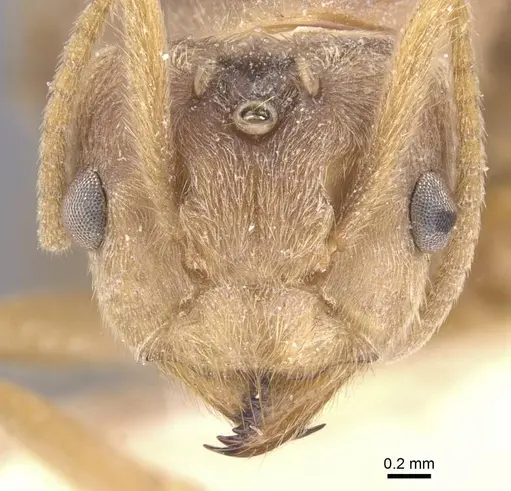
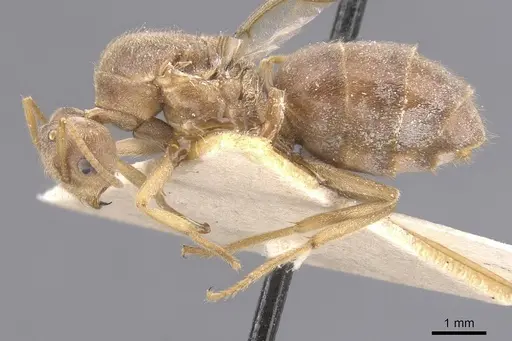
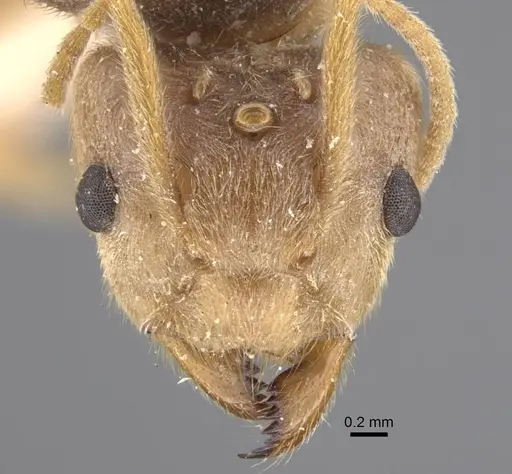
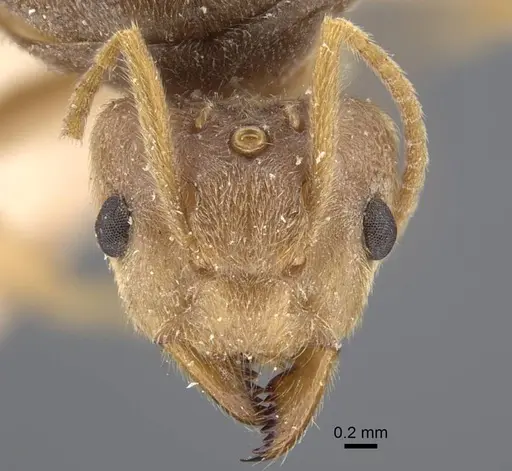
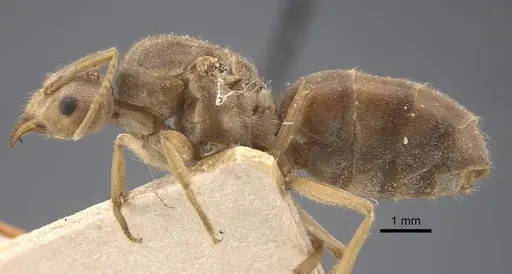
Pseudolasius sunda is a small to medium-sized ant species in the Formicinae subfamily, first described by Karavaiev in 1929 from specimens collected in the Sunda region of Indonesia . The genus Pseudolasius is native to Southeast Asia and the Indo-Australian region, with workers typically measuring 3-5 mm. As a tropical Indonesian species, it likely inhabits humid, shaded forests where it nests in soil, under stones, or in decaying wood. Specific color and marking details are not documented in available literature .
Quick Summary
- Difficulty: Medium
- Origin & Habitat: Indonesia (Sunda/Java region) in the Indomalaya tropical zone. Likely inhabits humid forest environments with dense leaf litter and shaded microhabitats [1][2].
- Colony Type: Unconfirmed, colony structure has not been documented for this species. Based on genus patterns, likely single-queen colonies (monogyne), typical of most Formicinae.
- Size & Growth:
- Queen: Estimated 6-8 mm based on genus patterns for Pseudolasius queens.
- Worker: Estimated 3-5 mm based on genus worker size range.
- Colony: Likely several hundred workers based on typical Pseudolasius colony sizes.
- Growth: Moderate, tropical species typically develop faster than temperate ones.
- Development: Estimated 4-8 weeks at optimal tropical temperatures (25-28 °C), based on typical Formicinae development. (Development time is estimated from related Formicinae species, specific data for P. sunda is unavailable.)
- Antkeeping:
- Temperature: Aim for warm conditions around 24-28 °C. A slight gradient with cooler areas around 22 °C is beneficial. Room temperature may suffice in warm homes.
- Humidity: High humidity required, keep the nest substrate consistently moist but not waterlogged. These forest-floor ants prefer damp conditions with good ventilation to prevent mold.
- Diapause: Unlikely, as a tropical species from Indonesia, it probably does not require a diapause period. A slight reduction in temperature during cooler months may be optional.
- Nesting: Y‑tong (AAC) nests or naturalistic setups with soil or soil‑like substrate work well. They seem to prefer tight, humid chambers and will use narrow passages. Include a damp substrate layer for moisture and flat stones or cork for cover.
- Behavior: Pseudolasius ants are generally docile and non‑aggressive. They forage for honeydew and small insects. Workers are moderate in size and form well‑organized colonies. Escape risk is moderate, standard barriers should work, but small gaps need sealing. They have no sting and pose no danger to keepers.
- Common Issues: high humidity requirements mean mold can develop if ventilation is poor, ensure adequate airflow, tropical species may struggle in cool or dry environments, monitor temperature and humidity closely, limited species‑specific information means care is based on genus patterns rather than documented observations, colonies may be slow to establish initially, patience is required during founding phase, wild‑caught colonies may carry parasites or pathogens that can cause issues in captivity
Natural History and Distribution
Pseudolasius sunda was originally described by Karavaiev in 1929 from specimens collected in the Sunda region of Indonesia, likely from Java island. The type locality is recorded as 'Sundastrasse in der Nähe von Prinsen-Eiland' (Sunda Street near Prinsen Island), collected in 1913 [1]. The species belongs to the Lasiini tribe within Formicinae, which includes genera like Lasius and Pseudolasius. In the wild, these ants inhabit tropical forest environments in the Indomalaya region, presumably nesting in soil, under stones, or within decaying organic matter on the forest floor. The humid, shaded conditions of their natural habitat are key to replicate in captivity [2].
Housing and Nest Setup
For Pseudolasius sunda, a Y‑tong (AAC) nest or a naturalistic setup with damp substrate works best. These ants appear to prefer tight, humid chambers that help maintain the moisture they need. Use a substrate like soil, sand‑soil mix, or ytong material that holds some moisture without becoming waterlogged. A hydration setup with a water reservoir connected to the nest via cotton or a water tower helps maintain humidity. Include flat stones or cork pieces if using a naturalistic setup to give them natural cover. Ensure the outworld has a water source and that the entire setup has adequate ventilation to prevent mold while keeping humidity up. (Care guidelines are based on general Formicinae and Pseudolasius patterns.)
Feeding and Diet
Like most Formicinae, Pseudolasius sunda likely has an omnivorous diet. It probably consumes honeydew from aphids and scale insects as well as small arthropods for protein. In captivity, offer sugar water, honey, or diluted syrup as a constant carbohydrate source. For protein, provide small live or frozen insects such as fruit flies, small crickets, or mealworms. They likely accept most standard ant foods but may prefer smaller prey given their moderate worker size. Feed protein 2-3 times a week and keep sugar water available at all times. (Dietary preferences are inferred from the genus.)
Temperature and Seasonal Care
As a tropical species from Indonesia, Pseudolasius sunda requires warm conditions year‑round. Maintain temperatures between 24-28 °C in the nest area. A slight temperature gradient is helpful, letting workers self‑regulate by moving between warmer and cooler spots. A heating cable or mat placed on one side of the nest can achieve this, but avoid direct heat that could dry out the nest. Unlike temperate species, they do not need a true hibernation or diapause period. However, a slight reduction during winter months in cooler climates may simulate natural seasonal changes. Monitor both temperature and humidity closely, as these tropical ants are sensitive to cool or dry conditions. (Temperature requirements are estimated from tropical distribution.)
Colony Development and Growth
Colony growth for Pseudolasius sunda follows typical Formicinae patterns. The queen likely seals herself in a claustral chamber and raises the first workers (nanitics) alone without foraging. Development from egg to worker probably takes 4-8 weeks at optimal tropical temperatures (25-28 °C), though the specific timing for this species is unconfirmed. Initial colonies grow slowly as the queen raises her first brood alone. Once the first workers emerge, colony growth typically speeds up. Maximum colony size is estimated at several hundred workers based on genus patterns. Patience is essential during founding, it may take several months before significant growth is observed. (All estimates are based on the Pseudolasius genus.)
Frequently Asked Questions
How long does it take for Pseudolasius sunda to produce first workers?
Based on typical Formicinae development, expect first workers (nanitics) approximately 4-8 weeks after the queen lays eggs, assuming optimal temperatures around 25-28 °C. The exact timeline for P. sunda is unconfirmed, so this is an estimate from genus patterns.
What temperature do Pseudolasius sunda ants need?
Keep them warm at 24-28 °C. This tropical species from Indonesia requires consistent warmth and does not tolerate cool conditions well. A slight gradient allowing cooler areas around 22 °C is beneficial. (Recommendation based on tropical distribution.)
Do Pseudolasius sunda ants need hibernation?
No, they do not require hibernation. As a tropical species from Indonesia, they need year‑round warm conditions. A slight temperature reduction in winter may be optional but is not necessary.
What do Pseudolasius sunda ants eat?
They are omnivorous like most Formicinae. Offer sugar water, honey, or syrup as a constant carbohydrate source. For protein, provide small insects such as fruit flies, small crickets, or mealworms. Feed protein 2-3 times a week. (Diet is inferred from genus.)
How big do Pseudolasius sunda colonies get?
Based on genus patterns, colonies likely reach several hundred workers. The exact maximum size is unconfirmed for this species.
Can I keep multiple Pseudolasius sunda queens together?
The colony structure for this species is unconfirmed. Based on typical Formicinae patterns, they likely form single‑queen (monogyne) colonies. Combining unrelated queens is not recommended without documented evidence of polygyny.
Are Pseudolasius sunda ants aggressive?
No, Pseudolasius ants are generally docile and not aggressive. They pose no danger to keepers and do not have a painful sting.
What humidity level do Pseudolasius sunda ants need?
High humidity is required, keep the nest substrate consistently moist but not waterlogged. Good ventilation is essential to prevent mold while maintaining humidity. (Specific percentage not documented, aim for damp but not saturated conditions.)
What type of nest is best for Pseudolasius sunda?
Y‑tong (AAC) nests or naturalistic setups with damp substrate work well. They prefer tight, humid chambers and will use narrow passages. Ensure the nest can hold moisture without becoming waterlogged.
Is Pseudolasius sunda a good species for beginners?
This species is rated as medium difficulty. While not the most challenging, the specific humidity and temperature requirements of a tropical Indonesian species may need more attention than hardy temperate species. Limited species‑specific information means care is based on genus patterns.
Report an Issue
The current care sheet is based fully on literature. See inconsistencies, or something that's incorrect? Please , it will be resolved after review from an admin. Contributing to the blogs tab also helps providing information, to make us be able to further improve the caresheets. Thank you for your support!
References

Dieses Caresheet ist lizenziert unter CC BY-SA 4.0 .
Community-Blogs
CASENT0912325
Auf AntWeb ansehen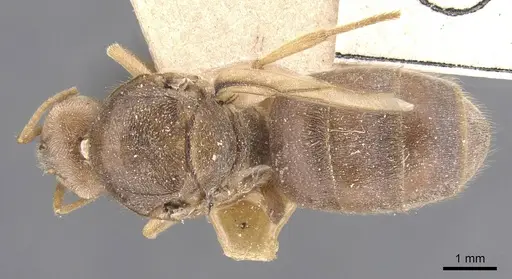
CASENT0917298
Auf AntWeb ansehen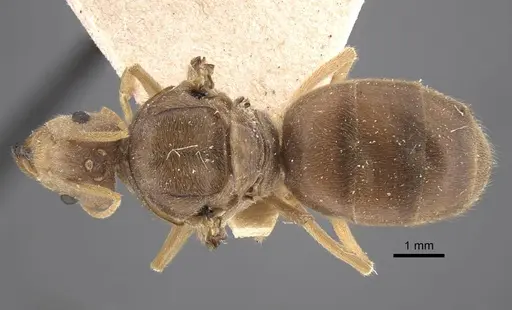
Literatur
Verbreitungskarte wird geladen...Produkte werden geladen...