
Polyrhachis trispinosa
- Wiss. Name
- Polyrhachis trispinosa
- Untergattung
- Myrmothrinax
- Tribus
- Camponotini
- Unterfamilie
- Formicinae
- Autor
- Smith, 1861
- Verbreitung
- In 0 Ländern gefunden
Einleitung
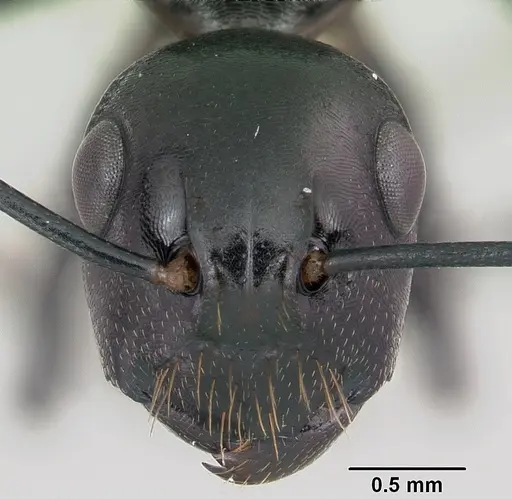
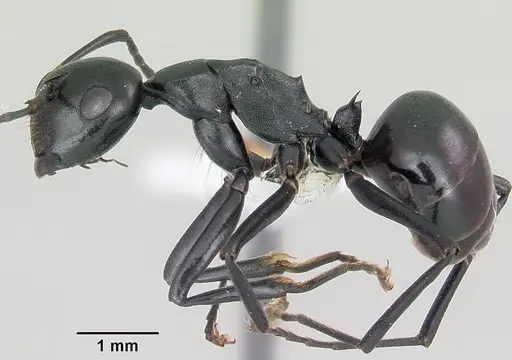
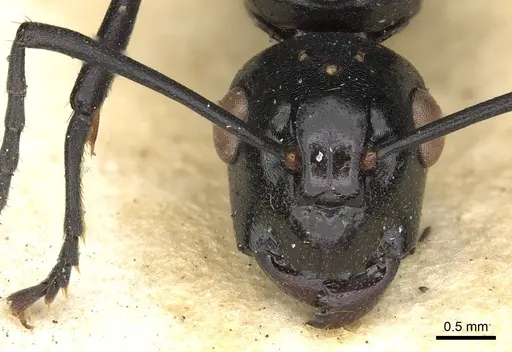
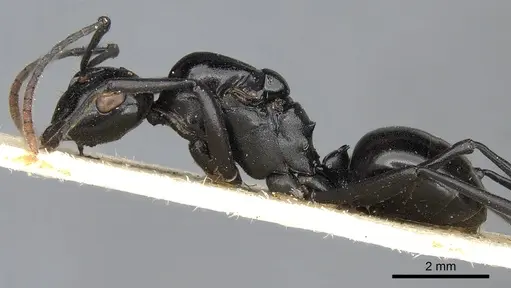
Polyrhachis trispinosa is a medium-sized ant species native to Sulawesi, Indonesia. Workers measure 6.45-7.66 mm in total length and are dark in color, with three spines on the petiole . Queens come in two sizes: normal macrogynes at around 9.88 mm and smaller microgynous queens at 7.56-7.81 mm . This species belongs to the Polyrhachis aequalis species-group and has been collected from fogging samples in cacao plantations, suggesting arboreal nesting habits . Distribution includes Tondano, Sulawesi .
Quick Summary
- Difficulty: Medium
- Origin & Habitat: Sulawesi, Indonesia, tropical habitats, collected from cacao plantations indicating arboreal or semi-arboreal nesting [1][2].
- Colony Type: Based on Polyrhachis patterns, likely monogyne (single queen), but no species-specific data confirmed [1].
- Size & Growth:
- Queen: ~9.88 mm (macrogynes), ~7.56-7.81 mm (microgynes) [1]
- Worker: ~6.45-7.66 mm [1]
- Colony: Unknown, no colony size data available
- Growth: Moderate, inferred from typical Polyrhachis growth patterns
- Development: Estimated 6-8 weeks based on typical Formicinae development at tropical temperatures [1] (Development time is estimated, specific data for this species is unavailable)
- Antkeeping:
- Temperature: Keep at 24-28°C, inferred from tropical habitat [1]
- Humidity: Keep substrate consistently moist but not waterlogged, based on tropical environment [1]
- Diapause: No, tropical species from Sulawesi do not require hibernation [1]
- Nesting: Arboreal or semi-arboreal, provide elevated nest options like Y-tong or naturalistic setups with vertical chambers [1]
- Behavior: Polyrhachis ants are generally less aggressive, workers are moderately active and forage vertically and on ground level. Escape risk is moderate due to size, standard barriers work well [1].
- Common Issues: humidity too low or too high can cause stress or mold [1], temperature below 24°C may slow development [1], mold from overwatering or poor ventilation [1]
Housing and Nest Preferences
Polyrhachis trispinosa appears arboreal based on collection from cacao canopy [1]. Provide nest options with vertical orientation, such as Y-tong (AAC) nests or naturalistic setups with elevated chambers and branches [1]. Ensure good humidity retention with some ventilation to prevent mold [1].
Temperature and Humidity Requirements
Keep the nest area at 24-28°C, using a heating cable to create a gentle gradient [1]. Maintain humidity with moist substrate or a water reservoir, avoiding waterlogging [1]. Mist occasionally and monitor condensation [1].
Feeding and Diet
Offer a varied diet: sugar sources like honey water constantly, and protein like dead insects 2-3 times per week [1]. Remove uneaten food after 24-48 hours to prevent mold [1].
Colony Structure and Development
Workers are 6.45-7.66 mm with three petiolar spines [1]. Queens have two morphs: macrogynes at 9.88 mm and microgynes at 7.56-7.81 mm [1]. Colony growth is moderate, with slow initial growth during founding [1].
Behavior and Temperament
Workers are moderately active and forage vertically and on ground level [1]. The petiolar spines may aid defense, but this species is not aggressive toward keepers [1]. Escape prevention is important for medium-sized ants [1].
Frequently Asked Questions
How long does it take for Polyrhachis trispinosa to raise first workers?
Exact time is unknown, but estimated 6-8 weeks from egg to worker at tropical temperatures [1].
What do Polyrhachis trispinosa ants eat?
They are omnivorous: sugar sources constantly and protein 2-3 times per week [1].
Do Polyrhachis trispinosa ants need hibernation?
No, they are tropical and do not require diapause [1].
What size colony do Polyrhachis trispinosa colonies reach?
Colony size data is unavailable for this species [1].
Are Polyrhachis trispinosa ants good for beginners?
This species is rated Medium difficulty and is not commonly available, related species may be easier [1].
What type of nest is best for Polyrhachis trispinosa?
Arboreal nests with vertical orientation, such as Y-tong or naturalistic setups [1].
Can I keep multiple queens together?
This species is likely monogyne, combining unrelated queens is not recommended [1].
Why are my Polyrhachis trispinosa dying?
Common issues include incorrect temperature or humidity, mold, or stress from wild-caught adjustment [1].
Report an Issue
The current care sheet is based fully on literature. See inconsistencies, or something that's incorrect? Please , it will be resolved after review from an admin. Contributing to the blogs tab also helps providing information, to make us be able to further improve the caresheets. Thank you for your support!
References

Dieses Caresheet ist lizenziert unter CC BY-SA 4.0 .
Community-Blogs
CASENT0103196
Auf AntWeb ansehen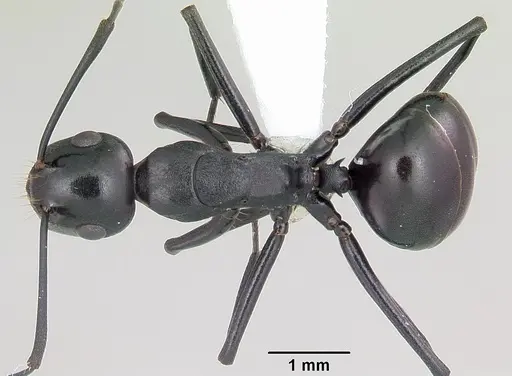
CASENT0901865
Auf AntWeb ansehen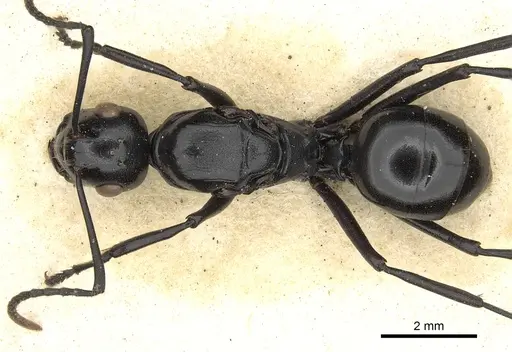
Literatur
Verbreitungskarte wird geladen...Produkte werden geladen...