
Polyrhachis craddocki
- Wiss. Name
- Polyrhachis craddocki
- Tribus
- Camponotini
- Unterfamilie
- Formicinae
- Autor
- Bingham, 1903
- Verbreitung
- In 0 Ländern gefunden
Einleitung
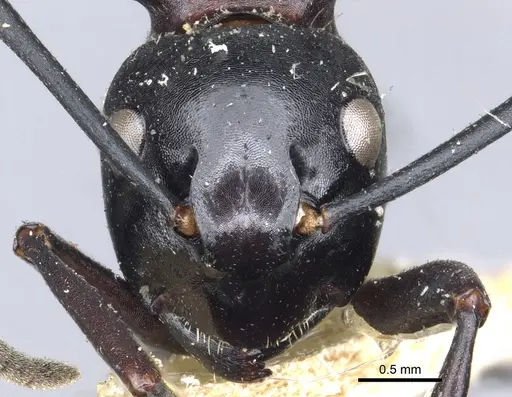
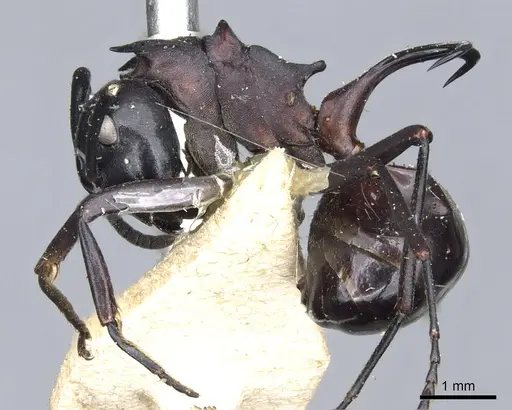
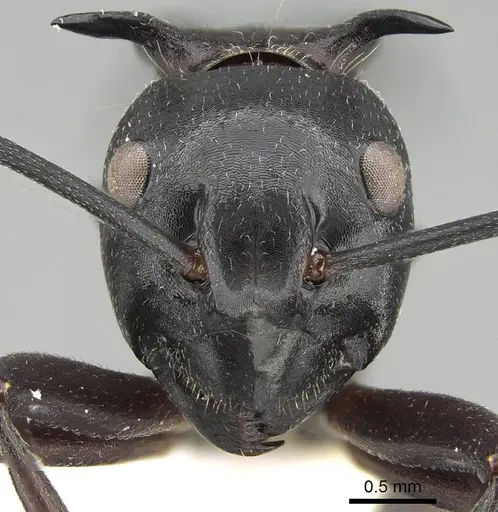
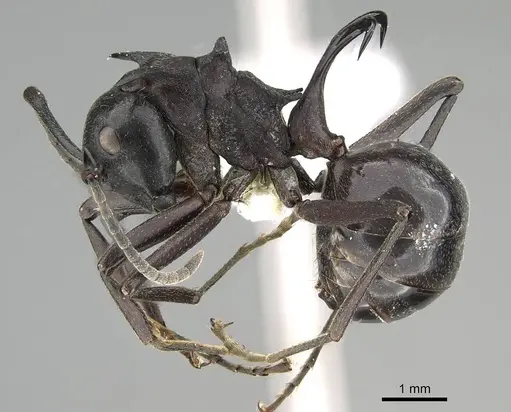
Polyrhachis craddocki is a medium-sized arboreal ant. Workers are 7-8 mm in total length . They have a black or very dark reddish-brown body with spines on the mesonotum and petiole. The petiolar spines are parallel for most of their length, and the mesonotal spines point backward . This species is known only from Myanmar and Brunei, separated by over 2600 km . In Brunei, they were collected from a tree trunk trail near Kuala Belalong Field Studies Centre .
Quick Summary
- Difficulty: Medium
- Origin & Habitat: Southeast Asia, found in Myanmar and Brunei (Temburong District), with records from Malaysia and Indonesia. In Brunei, specimens were collected from a colony trail on a tree trunk at Kuala Belalong Field Studies Centre [1].
- Colony Type: Colony structure is unconfirmed. Only a single wild colony has been observed, and colony size in the wild is unknown.
- Size & Growth:
- Queen: Unconfirmed, no queen specimens have been documented in the scientific literature [1].
- Worker: 7.0-8.16 mm total length depending on population [1].
- Colony: Unknown, only a single wild colony has been observed [1].
- Growth: Unknown, no captive breeding data exists.
- Development: Unconfirmed, development has not been studied in captivity or directly observed. (No data available on egg-to-worker development time. Related Polyrhachis species typically take 6-10 weeks at tropical temperatures, but this is an estimate only.)
- Antkeeping:
- Temperature: Based on its tropical distribution, keep warm at 24-28°C [1]. Room temperature (24-26°C) should be suitable. Avoid temperatures below 20°C.
- Humidity: Based on collection from humid Brunei, keep nest substrate moderately moist but not waterlogged [1].
- Diapause: Unlikely, as a tropical species from Southeast Asia, diapause is probably not required.
- Nesting: This is an arboreal species collected from tree trunks. In captivity, provide vertical surfaces for climbing [1].
- Behavior: Workers are medium-sized and relatively slow-moving. They are not aggressive but, as Formicinae, can spray formic acid when threatened. They are arboreal and prefer traveling along vertical surfaces. Escape prevention is moderate due to their 7-8 mm size.
- Common Issues: very limited distribution in the wild means captive colonies are extremely rare, you may not find this species for sale, no established captive breeding protocols exist since this species has rarely been kept in captivity, arboreal nature requires specific setups with climbing structures that differ from ground-nesting ant setups, lack of published care information means you are essentially pioneering captive husbandry, wild-caught colonies may be stressed from collection and difficult to establish
Housing and Nest Setup
Polyrhachis craddocki is an arboreal species, meaning it naturally lives on tree trunks. In captivity, provide a setup with vertical surfaces like cork bark or branches. Use Y-tong or plaster nests with roughened interiors for grip. Include multiple chambers at different heights. The outworld should have climbing structures like twigs or artificial plants [3].
Feeding and Diet
These ants are omnivorous. Offer sugar water or honey constantly for energy, and provide protein sources like small insects 2-3 times per week. Fresh water should always be available [3].
Temperature and Seasonal Care
As a tropical species from Southeast Asia, keep the nest area at 24-28°C [1]. Room temperature in most homes should be suitable. Avoid temperatures below 20°C. There is no documented need for hibernation.
Behavior and Observation
Workers are calm and non-aggressive. They are arboreal and travel along vertical surfaces. The spines on the mesonotum and petiole are distinctive [1]. As Formicinae, they can spray formic acid but are generally docile.
Acquisition and Rarity
This species is extremely rare in the antkeeping hobby. It is known only from two locations worldwide [1][2]. If you obtain a colony, document your observations as captive breeding is unexplored.
Frequently Asked Questions
How long does it take for Polyrhachis craddocki to go from egg to worker?
This is unconfirmed. Based on related Polyrhachis species, expect approximately 6-10 weeks at tropical temperatures, but this is only an estimate.
What do Polyrhachis craddocki ants eat?
They are omnivorous. Offer sugar water or honey constantly, and provide protein sources like small insects 2-3 times per week [3].
Are Polyrhachis craddocki ants good for beginners?
No. This is an expert-level species due to its extreme rarity, lack of established care protocols, and arboreal nature requiring specific housing.
Do Polyrhachis craddocki ants need hibernation?
Unlikely. As a tropical Southeast Asian species, they probably do not require a diapause period.
What size do Polyrhachis craddocki workers reach?
Workers are 7-8 mm in total length [1].
Can I keep Polyrhachis craddocki in a test tube setup?
A test tube can work for founding colonies, but this arboreal species will do better in a setup with vertical surfaces for climbing.
Where does Polyrhachis craddocki live in the wild?
It is known from only two locations: Myanmar and Brunei, with collection from a tree trunk trail in Brunei [1][2].
How big do Polyrhachis craddocki colonies get?
Unknown. Only a single wild colony has been observed, and its size was not documented [1].
Is Polyrhachis craddocki a monogyne or polygyne species?
This is unconfirmed. Only one wild colony has been observed, so queen number is unknown.
What temperature should I keep Polyrhachis craddocki at?
Keep them warm at 24-28°C [1]. Avoid temperatures below 20°C.
Where can I buy Polyrhachis craddocki ants?
This species is extremely rare and rarely available for sale. You are unlikely to find it through commercial sellers.
Report an Issue
The current care sheet is based fully on literature. See inconsistencies, or something that's incorrect? Please , it will be resolved after review from an admin. Contributing to the blogs tab also helps providing information, to make us be able to further improve the caresheets. Thank you for your support!
References

Dieses Caresheet ist lizenziert unter CC BY-SA 4.0 .
Community-Blogs
CASENT0903296
Auf AntWeb ansehen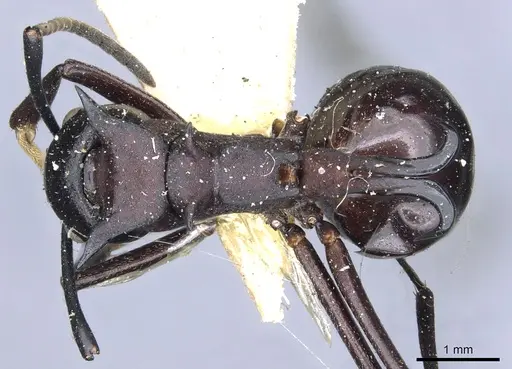
CASENT0919850
Auf AntWeb ansehen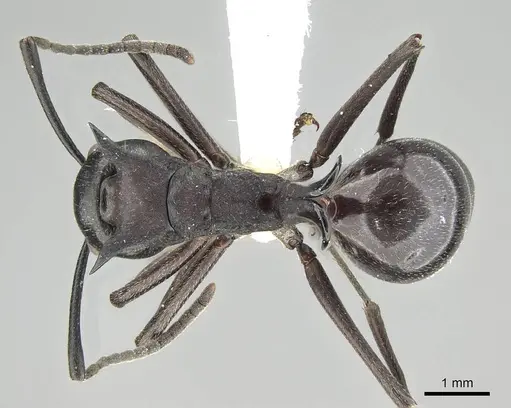
Literatur
Verbreitungskarte wird geladen...Produkte werden geladen...