
Polyrhachis alphena
- Wiss. Name
- Polyrhachis alphena
- Tribus
- Camponotini
- Unterfamilie
- Formicinae
- Autor
- Smith, 1860
- Verbreitung
- In 0 Ländern gefunden
Einleitung
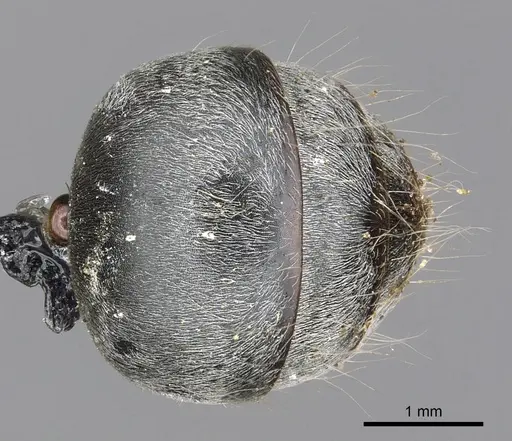
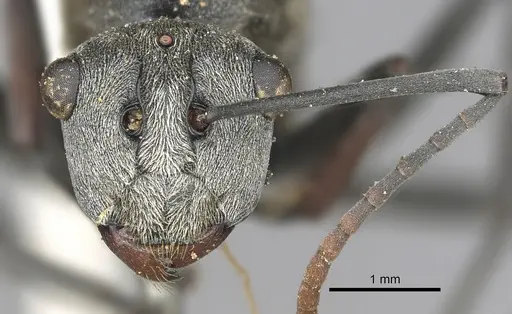
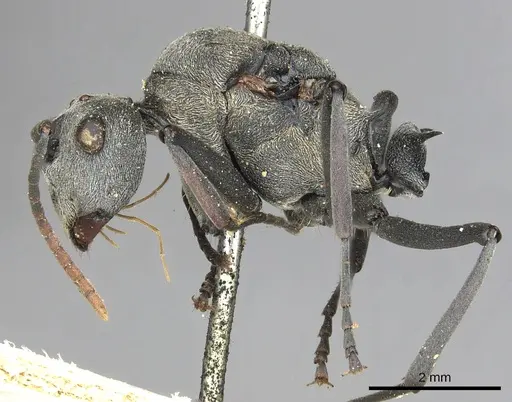
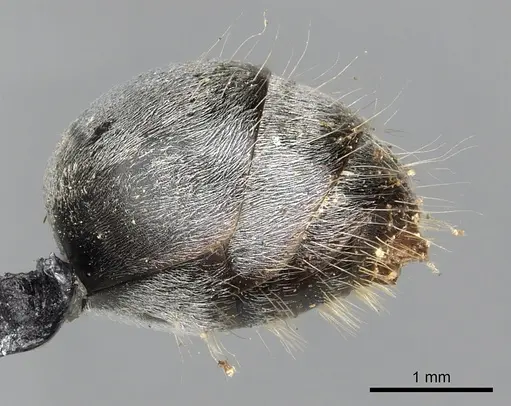
Polyrhachis alphena is a small to medium-sized ant species from the Myrmhopla subgenus, originally described from Bacan Island in the Maluku Islands of Indonesia . Workers and queens have spines on the thorax and petiole: two small spines on the pronotum and two longer spines on the metathorax . The queen measures approximately 8.5mm, with a black body covered in thin grayish pile, reddish-brown mandibles and antennae tips, and a rounded abdomen . This species is part of the Formicinae subfamily, which includes carpenter ants and weaver ants. Older records also mention Ceylon (Sri Lanka) as part of the range , though this may require verification. This species is notable for its spined morphology, characteristic of the Myrmhopla subgenus .
Quick Summary
- Difficulty: Hard
- Origin & Habitat: Native to the Maluku Islands of Indonesia, specifically Bacan Island [1][3]. Older records also mention Ceylon (Sri Lanka) [2]. As a tropical species, they inhabit humid forest environments.
- Colony Type: Unconfirmed colony structure. Based on typical Polyrhachis patterns, likely monogyne (single queen) colonies, but this has not been documented for this specific species.
- Size & Growth:
- Queen: Approximately 8.5mm [1]
- Worker: ~5-7mm, inferred from Polyrhachis genus
- Colony: Unknown, estimated up to several hundred workers based on related Polyrhachis species
- Growth: Unknown, likely moderate
- Development: Unconfirmed, estimated 6-10 weeks at warm temperatures, based on tropical Formicinae patterns (Development timeline has not been directly studied. Estimates based on genus-level patterns for tropical Polyrhachis.)
- Antkeeping:
- Temperature: Keep warm, around 24-28°C, as typical for tropical Indonesian species [1][3].
- Humidity: High humidity preferred, around 70-80%. Maintain moist but not waterlogged nest conditions, as they come from humid regions [1][3].
- Diapause: No, tropical species from Indonesia do not require hibernation [1][3].
- Nesting: Based on typical Myrmhopla behavior, they likely prefer arboreal or semi-arboreal nesting sites. In captivity, use a naturalistic setup with vertical space and climbing structures.
- Behavior: Behavior is not well-documented. Based on genus patterns, they are likely moderately active foragers. Workers may show moderate aggression when defending the nest. Escape prevention should be moderate due to their size.
- Common Issues: limited availability in the antkeeping hobby., no established care protocols, requiring keeper experimentation., tropical requirements mean temperature and humidity must be carefully maintained., colony growth may be slow, requiring patience., wild-caught colonies may have parasites or diseases that are difficult to treat.
Natural History and Distribution
Polyrhachis alphena was originally described by Frederick Smith in 1860 from specimens collected on Bacan Island in the Maluku Islands of Indonesia [1]. The original description notes the queen measured 4 lines (approximately 8.5mm), was black in color with a thin grayish pile covering, and had distinctive spines on the thorax and petiole [1]. Older literature also mentions Ceylon (modern-day Sri Lanka) as part of the range [2], though this may represent a different species or require verification. This species belongs to the Myrmhopla subgenus, which is known for its spined workers and queens [1]. The Maluku Islands are tropical and humid, suggesting this species prefers warm, moist conditions.
Housing and Nest Preferences
In captivity, this species will likely do best in a naturalistic or semi-naturalistic setup that provides both nesting areas and foraging space. Based on typical Myrmhopla behavior, they are likely semi-arboreal and may prefer nests with some vertical orientation. A Y-tong nest with multiple chambers or a plaster nest with good humidity retention would be appropriate. The nest should maintain consistently high humidity without becoming waterlogged. Provide a water tube for drinking and a foraging area where you can offer prey items. Since this species is rarely kept, start with standard Polyrhachis-type setups and adjust based on colony behavior.
Feeding and Diet
Like most Polyrhachis species, they likely have an omnivorous diet typical of Formicinae ants. They probably feed on honeydew from sap-sucking insects, nectar from flowers, and small insects for protein. In captivity, offer sugar water or honey water as a constant carbohydrate source. For protein, provide small insects like fruit flies, small crickets, or mealworms. Feed protein prey 2-3 times per week, and keep sugar water available at all times. Remove uneaten prey after 24-48 hours to prevent mold issues.
Temperature and Seasonal Care
As a tropical species from the Maluku Islands of Indonesia, Polyrhachis alphena requires warm conditions year-round. Maintain temperatures between 24-28°C in the nest area, with a slight gradient allowing workers to move between warmer and cooler zones if they choose. A heating cable or heating mat on one side of the nest can help achieve this, but always provide unheated areas so ants can escape excessive heat. Unlike temperate species, they do not require a winter diapause period [1][3].
Colony Development and Growth
The development timeline for this species has not been directly studied. Based on typical tropical Formicinae development, expect approximately 6-10 weeks from egg to first worker at optimal warm temperatures (around 26-28°C). The first workers (nanitics) will likely be smaller than mature workers and may take some time to develop fully. Colony growth will likely be moderate, faster than some slow-growing genera like Camponotus, but not as rapid as some Myrmicinae species. Patience is essential, as it may take several months to a year for a newly founded colony to reach up to 100 workers.
Frequently Asked Questions
How long does it take for Polyrhachis alphena to produce first workers?
The exact timeline is unconfirmed for this species, but based on related tropical Formicinae, expect approximately 6-10 weeks from egg to first worker at optimal temperatures (24-28°C) [1]. This may vary depending on temperature and feeding.
What do Polyrhachis alphena ants eat?
They likely have an omnivorous diet similar to other Polyrhachis species. Offer sugar water or honey water as a constant carbohydrate source, and provide small insects (fruit flies, small crickets, mealworms) for protein 2-3 times per week.
Do Polyrhachis alphena ants need hibernation?
No, as a tropical species from Indonesia, they do not require hibernation [1][3]. Keep them warm year-round at 24-28°C. They may show reduced activity during cooler periods but do not enter true diapause.
How big do Polyrhachis alphena colonies get?
Colony size is unconfirmed for this specific species. Based on typical Polyrhachis patterns, colonies likely reach up to several hundred workers over time. They are not known for forming supercolonies.
What temperature is best for Polyrhachis alphena?
Keep them warm at 24-28°C. As a tropical Indonesian species, they prefer consistent warmth [1][3]. A temperature gradient allowing workers to choose their preferred zone is ideal.
Are Polyrhachis alphena ants aggressive?
Aggression level is not documented for this species. Based on genus patterns, they are likely moderately defensive and will respond to threats, but they are not typically considered highly aggressive.
Can I keep multiple Polyrhachis alphena queens together?
Colony structure is unconfirmed for this species. Based on typical Polyrhachis patterns, they likely form single-queen colonies. Combining unrelated queens is not recommended without documented evidence of pleometrosis acceptance.
What humidity do Polyrhachis alphena ants need?
High humidity is preferred, around 70-80%. Keep the nest substrate consistently moist but not waterlogged. This species comes from the humid Maluku Islands of Indonesia [1][3].
Is Polyrhachis alphena a good species for beginners?
This species is not recommended for beginners due to limited availability and lack of established care protocols. It is also rarely available in the antkeeping hobby. More common species with documented care guides are better choices for those new to antkeeping.
Report an Issue
The current care sheet is based fully on literature. See inconsistencies, or something that's incorrect? Please , it will be resolved after review from an admin. Contributing to the blogs tab also helps providing information, to make us be able to further improve the caresheets. Thank you for your support!
References

Dieses Caresheet ist lizenziert unter CC BY-SA 4.0 .
Community-Blogs
CASENT0901842
Auf AntWeb ansehen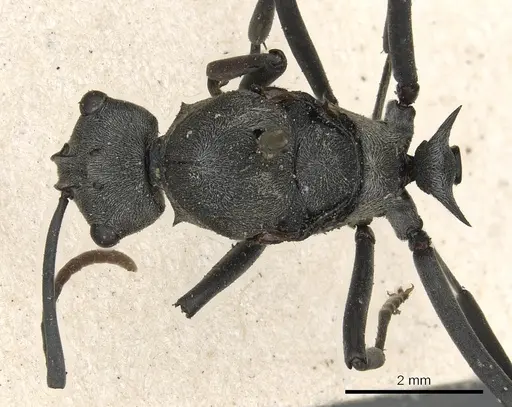
Literatur
Verbreitungskarte wird geladen...Produkte werden geladen...