
Pogonomyrmex granulatus
- Wiss. Name
- Pogonomyrmex granulatus
- Tribus
- Pogonomyrmecini
- Unterfamilie
- Myrmicinae
- Autor
- Johnson, 2021
- Verbreitung
- In 0 Ländern gefunden
Einleitung
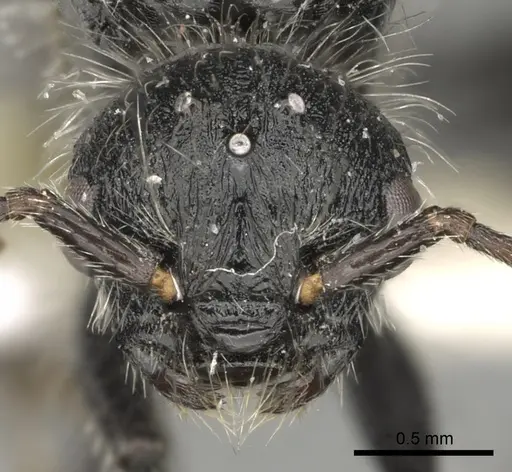
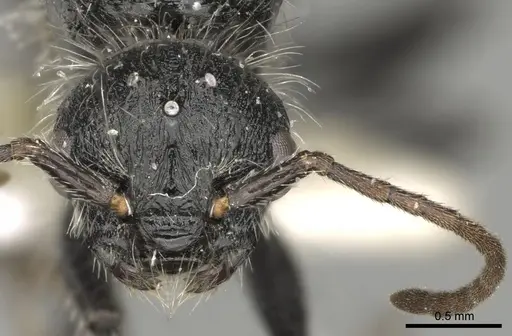
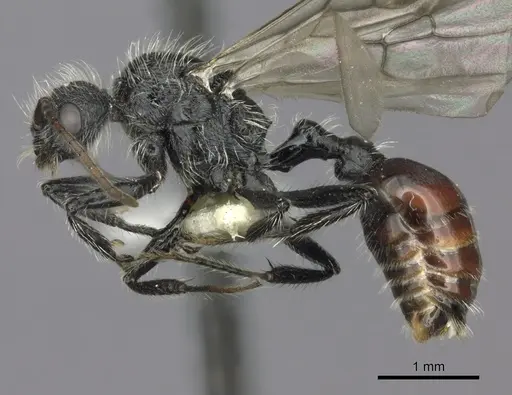
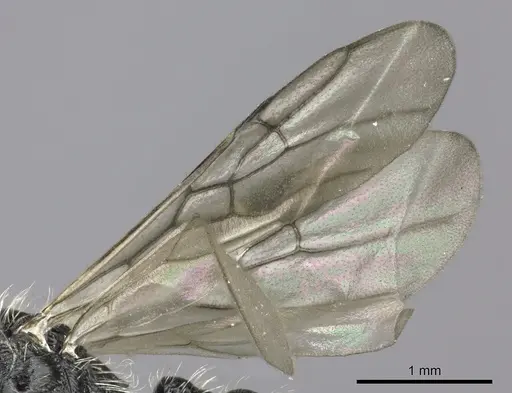
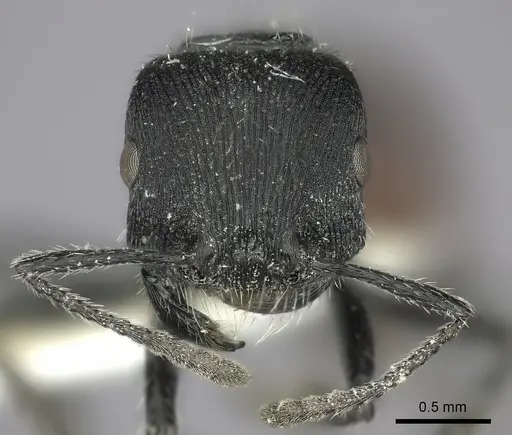
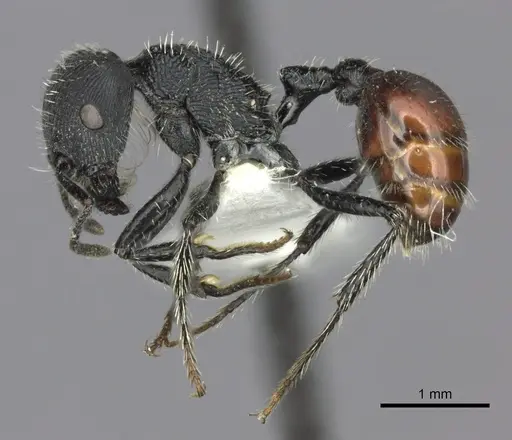
Pogonomyrmex granulatus is a seed-harvester ant from high-altitude regions of northwestern Argentina. Workers have a blackish to black head and mesosoma, with a gaster ranging from dark ferruginous orange to orangish-black. They feature fine striations on the first gastral tergum and short propodeal spines. Colonies inhabit elevations between 1960-3300 meters in the Central Andean puna ecoregion and can reach up to approximately 500 workers . This species is adapted to cool, dry conditions typical of puna habitats.
Quick Summary
- Difficulty: Medium
- Origin & Habitat: Central Andean puna ecoregion in northwestern Argentina, specifically the Salta region at elevations of 1960-3300 meters [1]. The puna is a high-altitude desert-like environment with sparse vegetation, cool temperatures, and low humidity.
- Colony Type: Based on Pogonomyrmex patterns, likely monogyne (single-queen colonies), but not confirmed in research [1].
- Size & Growth:
- Queen: Size data unavailable, no total length measurements in research.
- Worker: Size data unavailable, no total length measurements in research.
- Colony: Up to approximately 500 workers [1].
- Growth: Moderate, inferred from seed-harvester ant patterns.
- Development: Estimated 6-10 weeks based on related Pogonomyrmex species, but not studied for this species. (Development time is estimated from genus patterns, actual time may vary with temperature.)
- Antkeeping:
- Temperature: Keep at room temperature or slightly below, roughly 20-25°C, with a gradient. Based on high-altitude habitat, they prefer cooler conditions.
- Humidity: Keep substrate moderately dry, mimicking their dry puna habitat. Provide a water source for drinking.
- Diapause: Diapause requirements are unknown, but a winter rest at cooler temperatures may be beneficial based on high-altitude adaptation.
- Nesting: Use Y-tong, plaster, or soil-based nests. Provide space for seed storage and foraging areas.
- Behavior: Workers are active foragers during daylight hours, collecting seeds and insects. They are moderately defensive but their small size means interactions are generally mild. Escape risk is moderate due to their size, ensure enclosures have tight gaps.
- Common Issues: excess humidity can cause mold and stress due to their dry habitat, hibernation requirements are unknown, so improper diapause may affect colony health, slow growth compared to tropical ants may frustrate beginners, wild-caught colonies may have parasites or diseases that kill them in captivity, diet requires variety, they need seeds and protein sources
Housing and Nest Setup
Pogonomyrmex granulatus does well in Y-tong or plaster formicarium setups with a sand or soil-based substrate. As seed harvesters, they need space to store and process seeds. A test tube setup works for founding colonies, but transition them to a proper nest once the colony reaches 30-50 workers. Provide a water tube with a cotton wick for drinking access. The nest area should remain relatively dry, mimicking their native puna environment [1]. An outworld area allows for foraging and seed collection behavior.
Feeding and Diet
As seed-harvester ants, their primary diet consists of seeds they collect and store. Offer a variety of small seeds, millet, sesame, flax, and cracked sunflower seeds work well. They also need protein sources: offer small insects like fruit flies, small crickets, or mealworms. Sugar water or honey can be offered occasionally but should not be their primary food source. Remove uneaten seeds regularly to prevent mold. In the wild, they forage for fallen seeds and insects, so replicate this by scattering food in the outworld.
Temperature and Seasonal Care
Keep the nest at room temperature or slightly below, roughly 20-25°C, with a temperature gradient that allows the ants to choose their preferred zone. A heating cable on one side of the nest can create this gradient, but avoid overheating. Diapause requirements are unknown, but a winter rest at cooler temperatures may be beneficial based on their high-altitude habitat. Do not feed during diapause if implemented, the colony will be largely inactive.
Behavior and Foraging
Workers are active foragers that search for seeds and small insects during daylight hours. They are moderately defensive and will protect the colony, but their small size means stings are mild if they have them. Colonies maintain clear foraging trails to food sources. They store seeds in dedicated nest chambers, creating granaries similar to their wild behavior [1]. Workers communicate through chemical trails and will recruit nestmates to large food discoveries.
Frequently Asked Questions
How long does it take for Pogonomyrmex granulatus to produce first workers?
Based on typical Pogonomyrmex development, expect first workers approximately 6-10 weeks after the queen lays eggs, assuming optimal temperature around 24°C. This is estimated from related species, as this specific species has not been studied in captivity.
Can I keep multiple Pogonomyrmex granulatus queens together?
This species is likely monogyne, so multiple unrelated queens will fight until only one remains. If you capture a colony with multiple queens, they may eventually sort out dominance but this stress often harms the colony.
What temperature do Pogonomyrmex granulatus need?
Keep them at room temperature or slightly below, roughly 20-25°C, with a gradient. They prefer cooler conditions due to their high-altitude habitat. Avoid temperatures above 30°C.
Do Pogonomyrmex granulatus need hibernation?
Diapause requirements are unknown, but a winter rest at cooler temperatures may be beneficial based on their high-altitude adaptation. If implemented, provide 2-3 months at 10-15°C during winter.
How big do Pogonomyrmex granulatus colonies get?
Colonies reach up to approximately 500 workers in the wild [1]. In captivity, well cared-for colonies should reach similar sizes, though this may take several years.
What do Pogonomyrmex granulatus eat?
They are seed-harvesters, offer various small seeds (millet, sesame, cracked sunflower) as their primary food. Supplement with small insects for protein. Occasional sugar water or honey is accepted but not essential.
Are Pogonomyrmex granulatus good for beginners?
They are intermediate difficulty. Their specific humidity requirements (dry conditions) and unknown hibernation needs make them slightly more challenging than tropical ants. Experienced antkeepers or motivated beginners should do well with them.
When should I move Pogonomyrmex granulatus from a test tube to a nest?
Move them once the colony reaches 30-50 workers or when the test tube becomes crowded. Seed-harvester ants need space for seed storage, so a proper nest with a substrate chamber is preferable earlier than for purely insectivorous species.
Why are my Pogonomyrmex granulatus dying?
Common causes include: too much humidity (they need dry conditions), overheating, lack of diapause, or poor diet. Check that the substrate is not constantly damp and that temperatures stay below 30°C. Also ensure they have access to both seeds and protein.
Report an Issue
The current care sheet is based fully on literature. See inconsistencies, or something that's incorrect? Please , it will be resolved after review from an admin. Contributing to the blogs tab also helps providing information, to make us be able to further improve the caresheets. Thank you for your support!
References

Dieses Caresheet ist lizenziert unter CC BY-SA 4.0 .
Community-Blogs
CASENT0235301
Auf AntWeb ansehen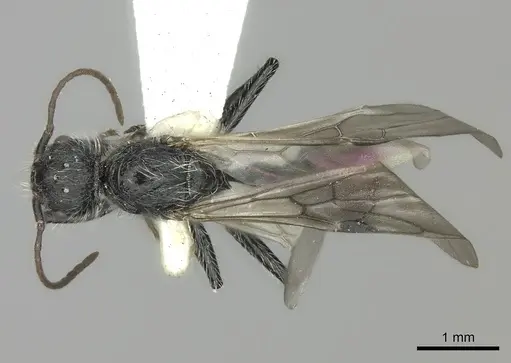
CASENT0235302
Auf AntWeb ansehen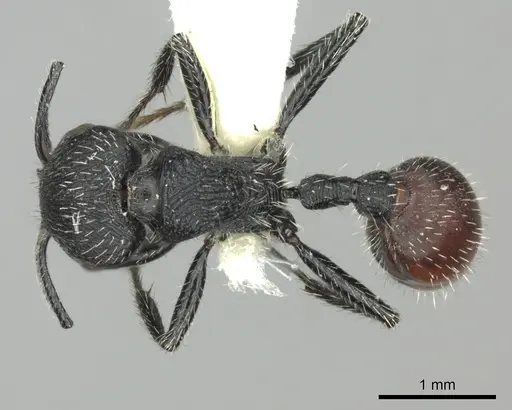
Literatur
Verbreitungskarte wird geladen...Produkte werden geladen...