
Plagiolepis karawajewi
- Wiss. Name
- Plagiolepis karawajewi
- Tribus
- Plagiolepidini
- Unterfamilie
- Formicinae
- Autor
- Radchenko, 1989
- Verbreitung
- In 0 Ländern gefunden
Einleitung
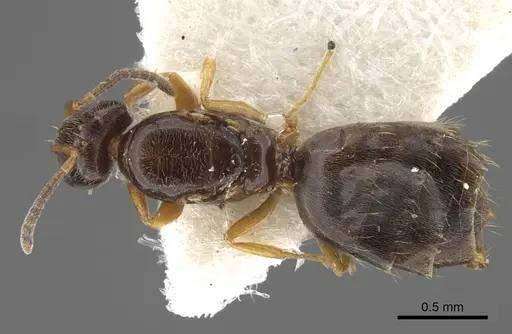
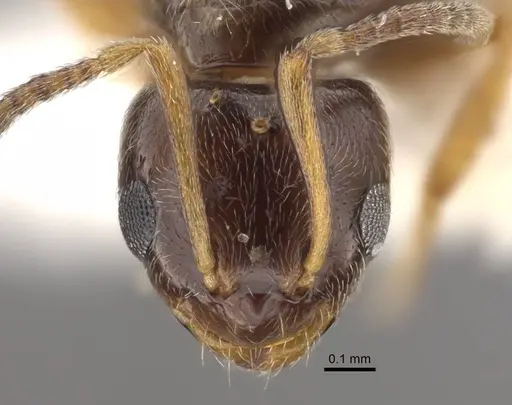
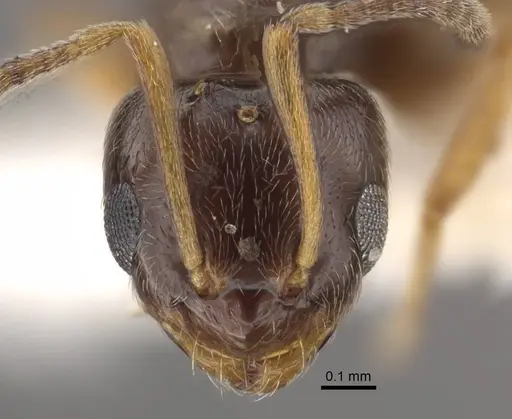
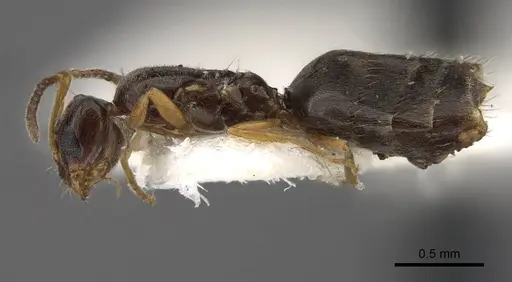
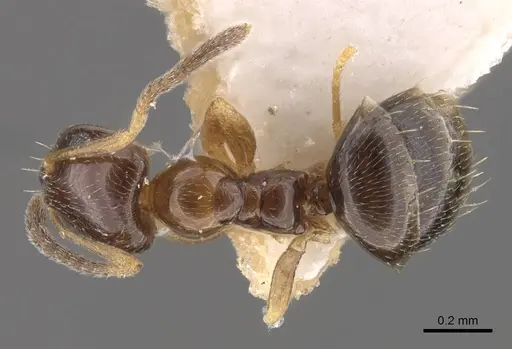
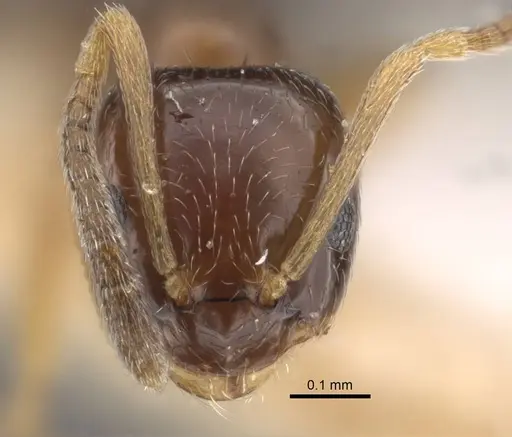
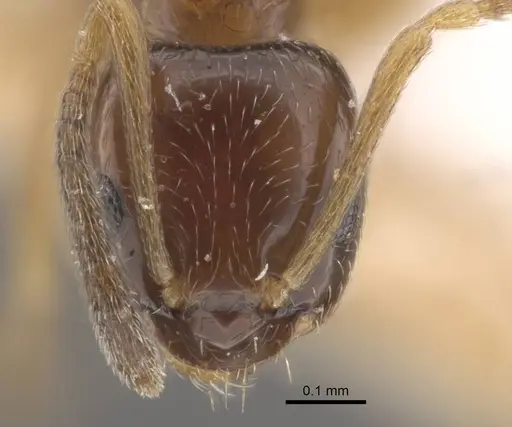
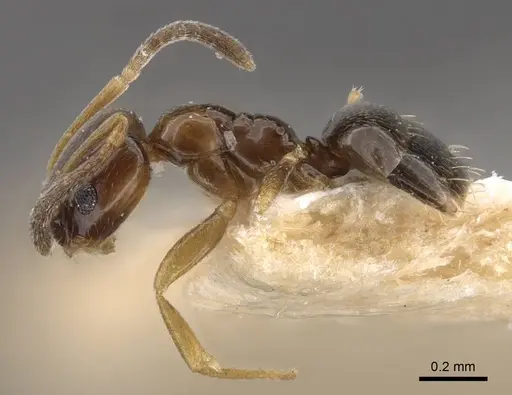
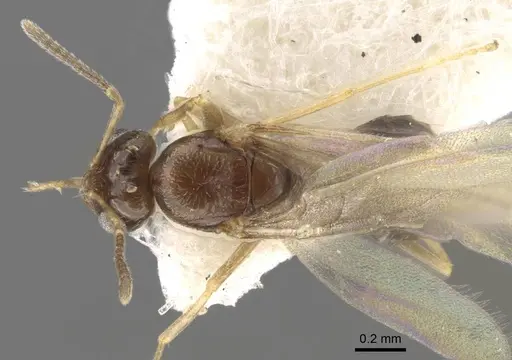
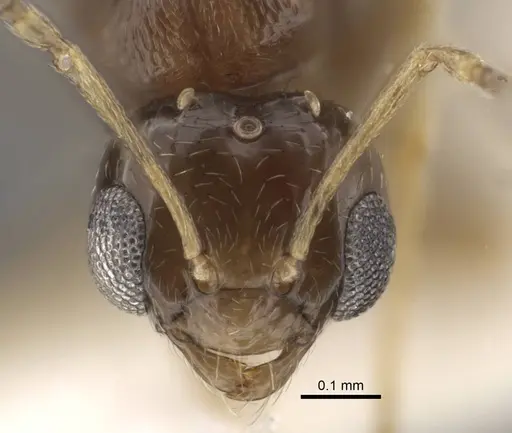
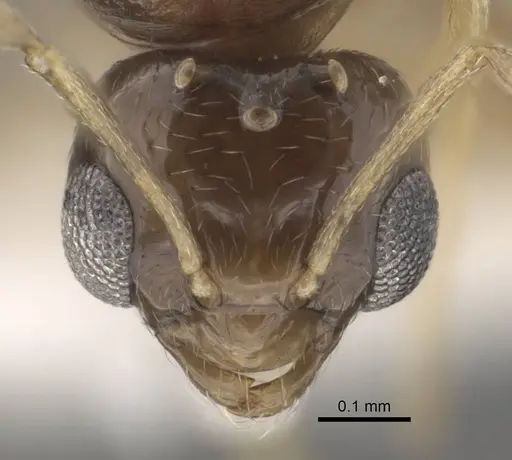
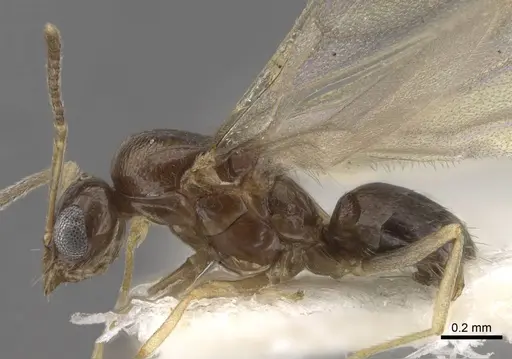
Plagiolepis karawajewi is a small ant species native to the Palaearctic region, found in Ukraine (Steppe zone and southern Crimea), Azerbaijan, Greece, and Russia (Crimea) . Specific size measurements are not available in the research literature . The species was described by Radchenko in 1989 from Ukrainian specimens . This species is rare and poorly studied, with limited distribution. Like other Plagiolepis ants, they likely inhabit warm, open habitats and nest in soil under stones or in rocky ground . Colony structures and behaviors are not well-documented.
Quick Summary
- Difficulty: Unknown, likely Easy to Medium based on genus patterns
- Origin & Habitat: Endemic to Ukraine (Steppe zone and southern Crimea), with populations in Azerbaijan, Greece (Cyclades and mainland), and Russia (Crimea) [1][2][5][3]. Inhabits warm, open steppe and Mediterranean climates.
- Colony Type: Colony structure is unconfirmed. No specific data on queen number or social structure.
- Size & Growth:
- Queen: Size data unavailable for queens. Based on Plagiolepis genus patterns, queens are small, but no total length measurements are available [4].
- Worker: Size data unavailable for workers. Based on Plagiolepis genus patterns, workers are small, but no total length measurements are available [4].
- Colony: Colony size data unavailable. Plagiolepis species typically have small colonies [4].
- Growth: Growth rate is unknown, but likely moderate based on genus patterns [4].
- Development: Development timeline is not directly studied. Based on related Plagiolepis species, egg to worker may take 6-8 weeks at warm temperatures [4]. (Timeline is inferred from genus patterns and may vary with temperature.)
- Antkeeping:
- Temperature: Based on native range, keep at warm temperatures, roughly 24-28°C, with a gradient [4].
- Humidity: Humidity requirements are unknown. Provide a moisture gradient, keep nest substrate consistently moist but not waterlogged [4].
- Diapause: Diapause is likely required based on temperate distribution, but exact timing is unknown [1][2].
- Nesting: Small nests with narrow chambers are suitable, based on genus patterns [4].
- Behavior: Temperament is peaceful based on genus patterns [4]. Escape risk is high due to tiny size, use fine mesh barriers [4].
- Common Issues: escapes are likely due to tiny size, use fine mesh barriers, diapause requirements are uncertain, monitor colony and adjust temperature, colony growth may be slow, patience is required
Nest Preferences and Housing
Plagiolepis karawajewi is a tiny ant species that requires appropriately scaled housing. Test tube setups work well for founding colonies, with a water reservoir and cotton barrier. For established colonies, small nests with narrow chambers suit their size [4]. In their natural habitat, they nest in soil under stones or in rocky ground [4]. Provide a moisture source but avoid waterlogging. A small outworld for foraging completes the setup. Due to their minute size, ensure all connections are secure with fine mesh barriers [4].
Feeding and Diet
Specific diet is not documented. Based on Plagiolepis genus patterns, they likely forage for small insects and may tend honeydew-producing insects [4]. For captive care, offer small protein sources like fruit flies and sugar water. Feed small amounts every 2-3 days, removing uneaten food to prevent mold.
Temperature and Seasonal Care
Based on native range, maintain warm temperatures around 24-28°C during active seasons [4]. A heating cable can create a gradient. Diapause is likely required in winter, but exact timing is unknown [1][2]. Reduce temperatures to 10-15°C during diapause and reduce feeding.
Behavior and Temperament
Plagiolepis ants are generally peaceful, and P. karawajewi is likely non-aggressive [4]. Workers are tiny and active, but escape risk is high. Use fine mesh (0.5mm or smaller) on all ventilation and ensure tight connections between nest and outworld [4].
Frequently Asked Questions
How long does it take for Plagiolepis karawajewi to produce first workers?
The exact timeline is unconfirmed. Based on Plagiolepis genus patterns, expect approximately 6-8 weeks from egg to worker at warm temperatures [4].
What do Plagiolepis karawajewi ants eat?
Specific preferences are unconfirmed. Based on genus behavior, they likely accept small insects and sugar water [4].
Can I keep Plagiolepis karawajewi in a test tube?
Yes, test tubes work well for founding colonies. Use a water reservoir and cotton barrier, and keep the tube in a dark, quiet location [4].
Do Plagiolepis karawajewi need hibernation?
Diapause is likely required based on temperate distribution, but exact timing is unknown. Reduce temperatures to 10-15°C for winter rest [1][2].
Are Plagiolepis karawajewi good for beginners?
This species is poorly documented, so it may be challenging for beginners. Based on genus patterns, it could suit intermediate keepers willing to work with limited information [4].
How big do Plagiolepis karawajewi colonies get?
Colony size data is unavailable, but Plagiolepis species typically have small colonies [4].
What temperature do Plagiolepis karawajewi need?
Based on native range, aim for 24-28°C during active seasons with a gradient [4].
Why are my Plagiolepis karawajewi escaping?
Their tiny size means they can squeeze through small gaps. Use fine mesh barriers on all ventilation and connections [4].
Can I keep multiple Plagiolepis karawajewi queens together?
Colony structure is unconfirmed. Combining unrelated queens is not recommended due to potential aggression [4].
Report an Issue
The current care sheet is based fully on literature. See inconsistencies, or something that's incorrect? Please , it will be resolved after review from an admin. Contributing to the blogs tab also helps providing information, to make us be able to further improve the caresheets. Thank you for your support!
References

Dieses Caresheet ist lizenziert unter CC BY-SA 4.0 .
Community-Blogs
Literatur
Verbreitungskarte wird geladen...Produkte werden geladen...