
Pheidole meinertopsis
- Wiss. Name
- Pheidole meinertopsis
- Tribus
- Attini
- Unterfamilie
- Myrmicinae
- Autor
- Wilson, 2003
- Verbreitung
- In 2 Ländern gefunden
Einleitung
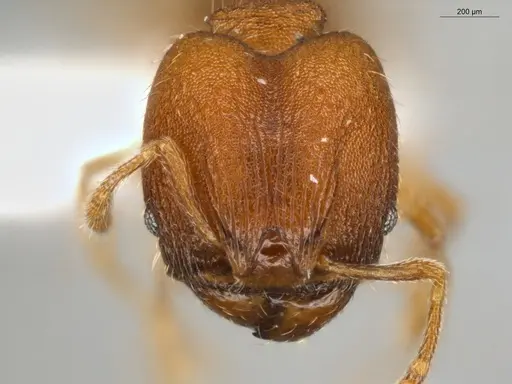
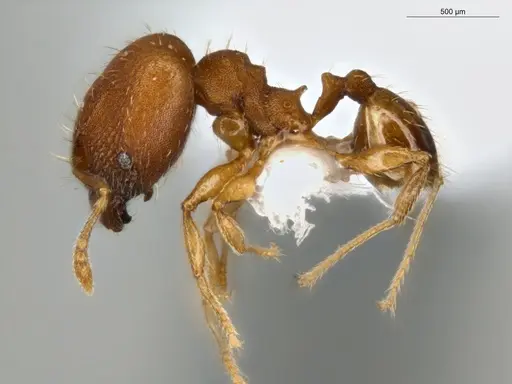
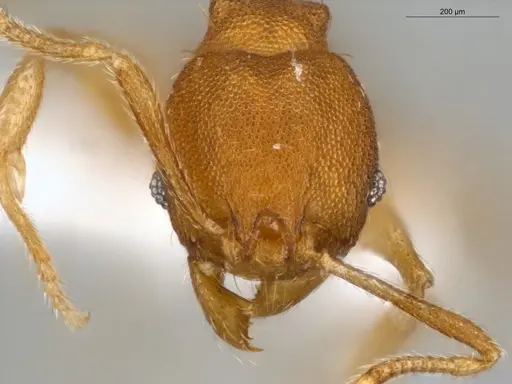
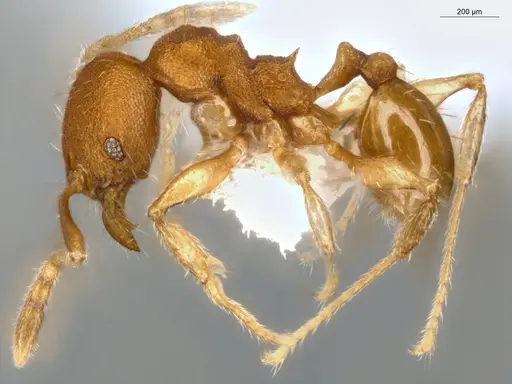
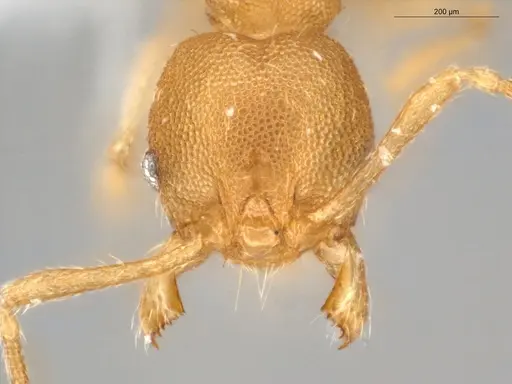
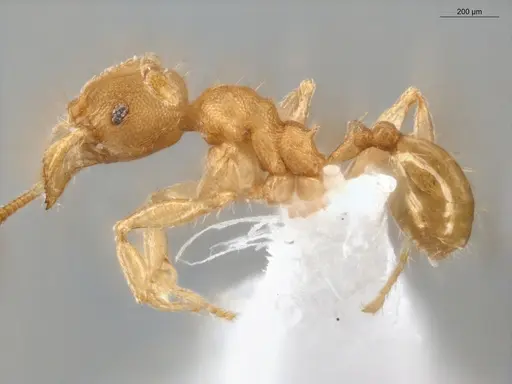
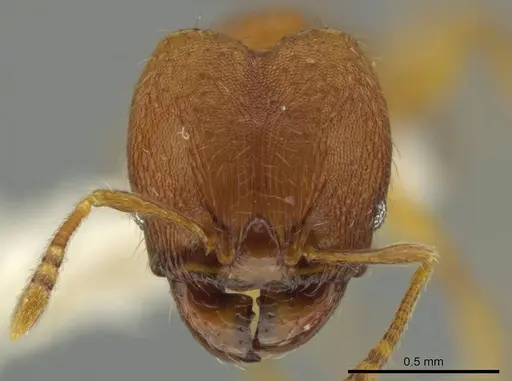
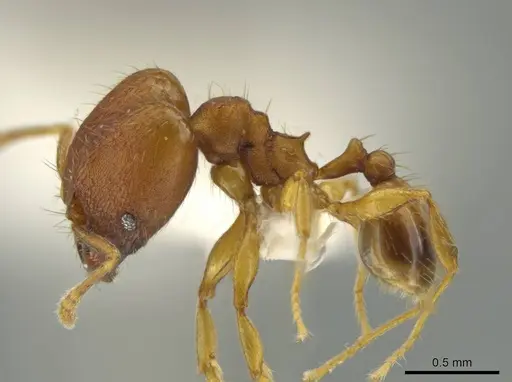
Pheidole meinertopsis is a small ant species native to the Neotropical region. You can find it in French Guiana, Guyana, and Peru . Like other Pheidole ants, this species has two worker castes: large major workers with big heads, and smaller minor workers that do most of the foraging. The type colony was found nesting in a rotten stick on top of leaf litter in terra firme (unflooded) forest . This tells us they prefer shaded forest floor environments. Specific details about their diet, founding behavior, and colony size are unknown.
Quick Summary
- Difficulty: Medium
- Origin & Habitat: French Guiana, Guyana, and Peru. The type colony was found nesting in a rotten stick on top of leaf litter in terra firme forest [1][2]. This points to a preference for shaded forest floor microhabitats.
- Colony Type: Based on Pheidole genus patterns, likely monogyne (single-queen colonies).
- Size & Growth:
- Queen: size data unavailable, inferred from Pheidole genus (~8-10mm)
- Worker: size data unavailable, inferred from Pheidole genus (~3-8mm range between castes)
- Colony: Up to several thousand workers, estimated from Pheidole patterns
- Growth: Moderate, estimated
- Development: 6-10 weeks, estimated from Pheidole patterns (Development speed depends on temperature and food availability.)
- Antkeeping:
- Temperature: Keep warm and stable, roughly low-to-mid 20s°C. Tropical species develop faster in consistent warmth.
- Humidity: Provide a humidity gradient. Keep the nest mostly dry with one small moist area. Terra firme forest floors can be surprisingly dry despite the leaf litter.
- Diapause: Based on tropical geographic range, likely no diapause required.
- Nesting: Use Y-tong, plaster, soil nests, or 3D-printed setups. Mimic their natural rotten stick habitat with small wood pieces or cork bark.
- Behavior: Based on Pheidole patterns, they are likely seed-harvesters that also take insect prey. Minor workers forage while majors stay near the nest to defend and process food. They are generally docile but majors will bite if disturbed. Standard escape prevention is still necessary due to their small size.
- Common Issues: poor ventilation leads to mold in humid nests, temperatures dropping below 20°C slow development, colonies outgrow small nests quickly, wild-caught queens may carry parasites, inadequate protein or seed diet stunts growth
Nest Preferences
In the wild, Pheidole meinertopsis nests in rotting wood on the forest floor. The type colony was found in a rotten stick sitting on top of leaf litter in terra firme forest [2]. For captive care, you should use Y-tong, plaster, soil nests, or 3D-printed setups. These materials hold humidity well without waterlogging. You can add small pieces of rotting wood or cork bark to mimic their natural site. Make sure the nest has good airflow to prevent mold while keeping the substrate damp [2].
Feeding and Diet
Specific diet data for Pheidole meinertopsis is unavailable. Based on Attini tribe patterns, they likely harvest seeds but also take insect protein and honeydew. You should offer small seeds like millet or chia, dead insects like fruit flies or crickets, and a sugar source like honey water. Remove uneaten protein within 24 hours to keep the nest clean. Adjust food types if you notice the colony prefers insects over seeds [2].
Temperature and Care
This species comes from tropical South America. Keep the nest area warm and stable, roughly low-to-mid 20s°C. A heating cable on one end of the nest creates a gradient so the ants can choose their preferred zone. Avoid letting temperatures drop below 20°C for long periods. They likely do not need a winter rest period. Maintain humidity by keeping the substrate damp but not soaked. Good ventilation is key to preventing mold [1].
Behavior and Colony Structure
Pheidole colonies are dimorphic, meaning they have two distinct worker castes: major workers with large heads, and minor workers that handle most tasks. The majors defend the colony and help process large food items, while minors forage and care for brood. This species is not aggressive toward keepers but majors will bite if the nest is disturbed. They are likely active during the day and evening. Colonies grow at a moderate pace. Expect the first workers to emerge roughly 6-10 weeks after the queen starts laying eggs [2].
Frequently Asked Questions
How long does it take for Pheidole meinertopsis to produce first workers?
Expect 6-10 weeks from egg to first worker at optimal temperatures. This is an estimate based on typical Pheidole development. The queen will raise the first batch alone in her founding chamber [2].
Can I keep multiple Pheidole meinertopsis queens together?
Not recommended. Based on Pheidole patterns, this is likely a monogyne species. Multiple unrelated queens will fight until only one survives. House any found queen alone in a test tube setup [2].
What do Pheidole meinertopsis eat?
They are likely omnivorous with a preference for seeds. Offer small seeds like millet or chia, protein sources like dead insects 2-3 times per week, and sugar water at all times. Remove uneaten protein quickly to prevent mold [2].
What temperature is best for Pheidole meinertopsis?
Keep them warm at low-to-mid 20s°C. As a tropical species from Peru, they need consistent warmth. A heating cable on one end of the nest creates a gradient. Avoid temperatures below 20°C for extended periods [1].
Do they need hibernation or diapause?
Probably not. As a tropical species from Peru, they likely remain active year-round without a true hibernation period. A slight temperature drop in winter may be natural but is not required in captivity [1].
When should I move them to a formicarium?
Move from the founding test tube to a proper nest once the colony reaches a few dozen workers. Pheidole colonies can outgrow test tubes quickly. Have the formicarium ready before the colony expands [2].
Are Pheidole meinertopsis good for beginners?
They are intermediate in difficulty. They require warm temperatures and careful humidity management. However, they are generally docile and accept a wide variety of foods. The main challenges are maintaining proper humidity and planning for eventual colony size [2].
How big do Pheidole meinertopsis colonies get?
Exact numbers are unknown for this species. Typical Pheidole colonies can reach up to several thousand workers at maturity. They grow steadily over 2-3 years. Plan for a large formicarium or multiple connected nests as the colony expands [2].
Why are my ants dying after collection?
Wild-caught colonies often carry parasites or were already stressed from the nuptial flight. Common issues include mites, nematodes, and fungal infections. Keep the queen in a clean test tube, maintain proper humidity, and avoid disturbing her during the founding phase [2].
Report an Issue
The current care sheet is based fully on literature. See inconsistencies, or something that's incorrect? Please , it will be resolved after review from an admin. Contributing to the blogs tab also helps providing information, to make us be able to further improve the caresheets. Thank you for your support!
References

Dieses Caresheet ist lizenziert unter CC BY-SA 4.0 .
Community-Blogs
CASENT0645825
Auf AntWeb ansehen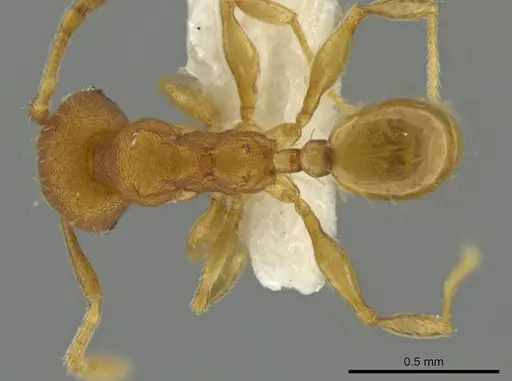
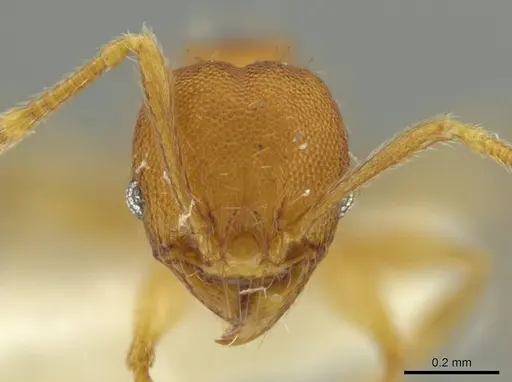
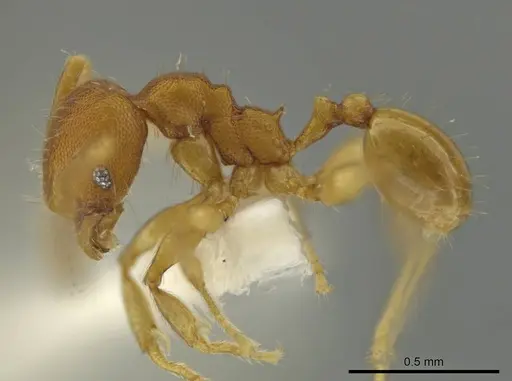
ECOFOG-MI15-0166-31-S
Auf AntWeb ansehen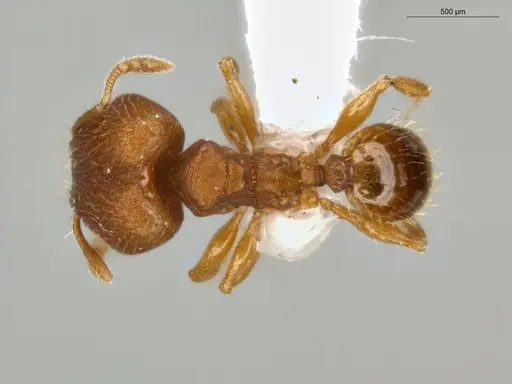
ECOFOG-MI15-0166-31
Auf AntWeb ansehen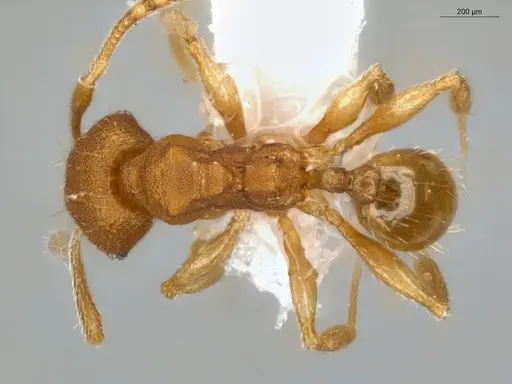
ECOFOG-PA14-0190-17
Auf AntWeb ansehen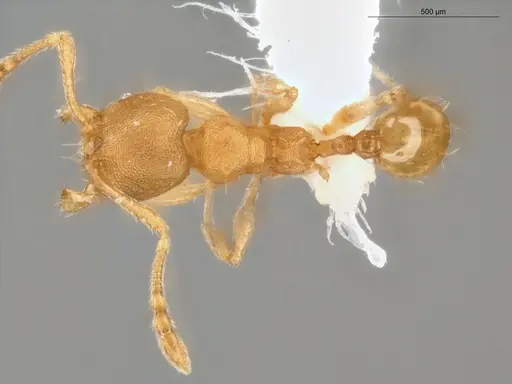
JTLC000016449
Auf AntWeb ansehen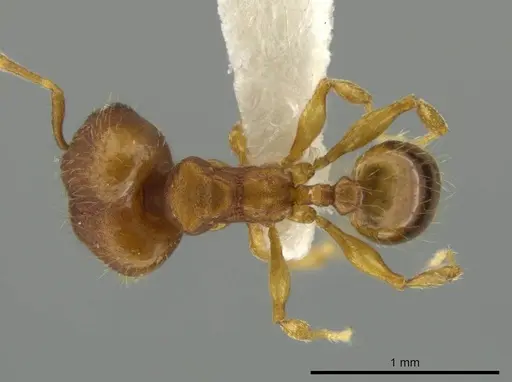
USNMENT00686248
Auf AntWeb ansehen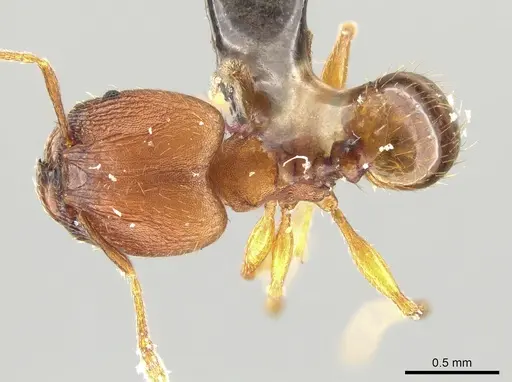
Literatur
Verbreitungskarte wird geladen...Produkte werden geladen...