
Paraparatrechina emarginata
- Wiss. Name
- Paraparatrechina emarginata
- Tribus
- Lasiini
- Unterfamilie
- Formicinae
- Autor
- Forel, 1913
- Verbreitung
- In 0 Ländern gefunden
Einleitung
Paraparatrechina emarginata is a small ant species in the Formicinae subfamily, tribe Lasiini. It was first described from Sumatra in 1913 . The species is recorded in Sumatra and Borneo (Brunei), where it was found in the canopy of lowland dipterocarp forest .
Quick Summary
- Difficulty: Unknown
- Origin & Habitat: Southeast Asia (Sumatra, Borneo/Brunei). Found in lowland dipterocarp rainforest canopy [2][1].
- Colony Type: Unconfirmed colony structure. Based on genus patterns, likely single-queen (monogyne) colonies.
- Size & Growth:
- Queen: size data unavailable
- Worker: size data unavailable
- Colony: Unknown
- Growth: Unknown
- Development: Unknown, development timeline not studied for this species (Tropical species may develop faster than temperate ones, but no specific data available)
- Antkeeping:
- Temperature: Keep warm, roughly low-to-mid 20s°C, based on tropical habitat inference
- Humidity: Keep substrate consistently moist but not waterlogged, based on rainforest habitat inference
- Diapause: No, tropical species do not require hibernation, based on geographic range
- Nesting: Not documented, infer from habitat that they may nest in rotting wood or leaf litter, in captivity, use test tube or small nest with moisture retention
- Behavior: Behavior not documented for this species. Based on genus patterns, likely generalist foragers, not particularly aggressive. Their small size means excellent escape prevention is essential.
- Common Issues: very small size makes escape prevention critical, use fine mesh and tight barriers, limited scientific data means care is largely estimated from genus patterns, humidity control is important, too dry can be fatal in captivity, growth rate is unknown so patience is required during founding phase, tropical species may not tolerate temperature drops below 20°C
Natural History and Distribution
Paraparatrechina emarginata originates from Southeast Asia, with confirmed records from Sumatra, Indonesia and Borneo (Brunei Darussalam) [2]. The species was first described by Forel in 1913 from Sumatran specimens [1]. Researchers documented this species in Brunei, representing a new record for Borneo, collected in the canopy of lowland dipterocarp forest using canopy knockdown capture method [2], indicating this species is at least partially arboreal.
Identification and Morphology
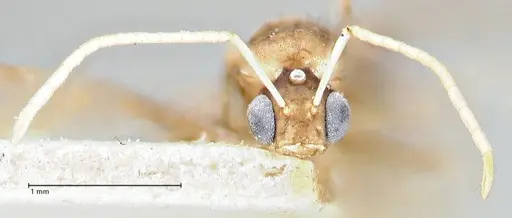
The species name 'emarginata' refers to the notched shape of the worker ant's head. Workers are small, but size data is unavailable for this species. Queens are larger than workers, but exact measurements are not documented. Positive identification requires examination under magnification by someone familiar with this genus. [1]
Housing and Nesting
Specific nesting behavior is not documented for this species. Based on canopy collection in Brunei, they may be partially arboreal. In captivity, a test tube setup works for founding colonies. For established colonies, use a small nest with good moisture retention. Maintain high humidity, these are rainforest ants. Provide a water reservoir to keep substrate moist. Because of their tiny size, ensure all connections are tight to prevent escapes.
Feeding and Diet
The specific diet of Paraparatrechina emarginata is not documented. Based on typical Formicine behavior, they are likely generalist feeders. In captivity, they may accept sugar sources and small live prey, but no specific data is available.
Temperature and Seasonal Care
As a tropical species, Paraparatrechina emarginata likely requires warm, stable temperatures. Based on native habitat, aim for temperatures in the low-to-mid 20s°C. They probably do not require diapause. Avoid temperatures below 20°C and sudden fluctuations.
Frequently Asked Questions
How long does it take for Paraparatrechina emarginata to raise first workers?
The exact development timeline is not documented. Based on typical tropical ant development, it may take several weeks, but no specific data is available.
What do Paraparatrechina emarginata ants eat?
Their diet is not specifically studied. They likely accept sugar sources and small prey, but no confirmed data exists.
Can I keep Paraparatrechina emarginata in a test tube?
Yes, a test tube setup is appropriate for founding colonies. Ensure tight escape prevention due to their small size.
What temperature do Paraparatrechina emarginata ants need?
Temperature needs are unclear, keep warm around 22-28°C based on tropical habitat inference.
Are Paraparatrechina emarginata good for beginners?
This species is not well-documented, and care is largely estimated. It may be suitable for intermediate keepers comfortable with limited data.
How big do Paraparatrechina emarginata colonies get?
Colony size is not documented for this species.
Do Paraparatrechina emarginata need hibernation?
No, being a tropical species, they likely do not require hibernation.
Why are my Paraparatrechina emarginata escaping?
Their very small size means they can squeeze through tiny gaps. Use fine mesh and ensure all connections are tight.
Can I keep multiple Paraparatrechina emarginata queens together?
Colony structure is not documented. Based on genus patterns, they likely form single-queen colonies, so combining queens is not recommended.
Report an Issue
The current care sheet is based fully on literature. See inconsistencies, or something that's incorrect? Please , it will be resolved after review from an admin. Contributing to the blogs tab also helps providing information, to make us be able to further improve the caresheets. Thank you for your support!
References

Dieses Caresheet ist lizenziert unter CC BY-SA 4.0 .
Community-Blogs
CASENT0911005
Auf AntWeb ansehen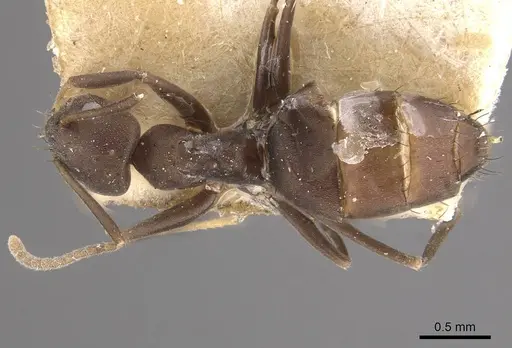
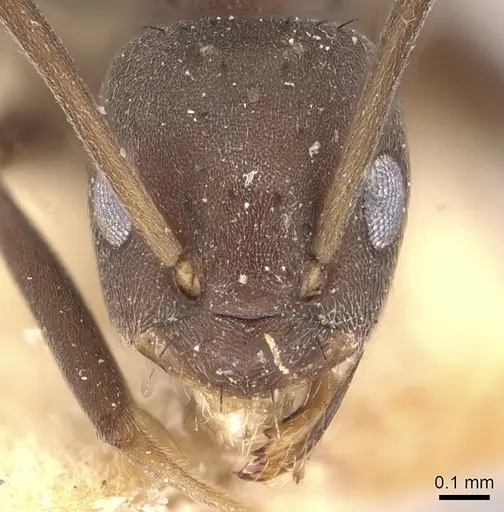
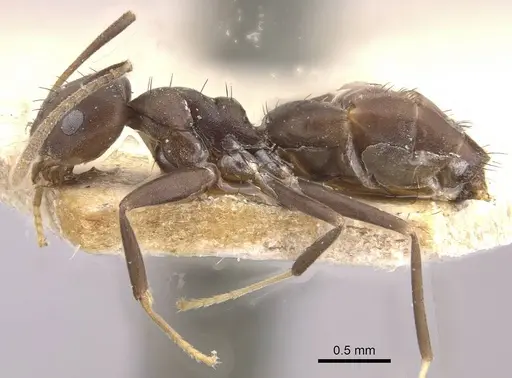
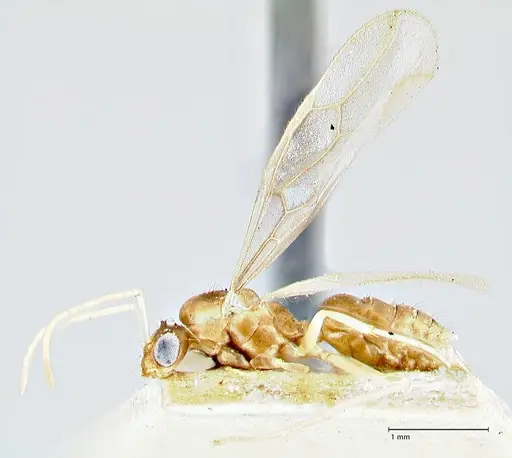
FOCOL2733
Auf AntWeb ansehen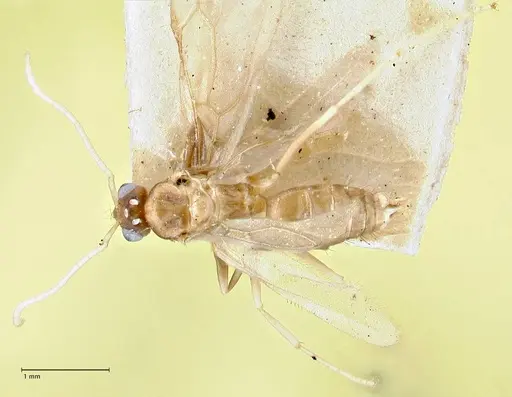
Literatur
Verbreitungskarte wird geladen...Produkte werden geladen...