
Nylanderia kraepelini
- Wiss. Name
- Nylanderia kraepelini
- Tribus
- Lasiini
- Unterfamilie
- Formicinae
- Autor
- Forel, 1905
- Verbreitung
- In 0 Ländern gefunden
Einleitung
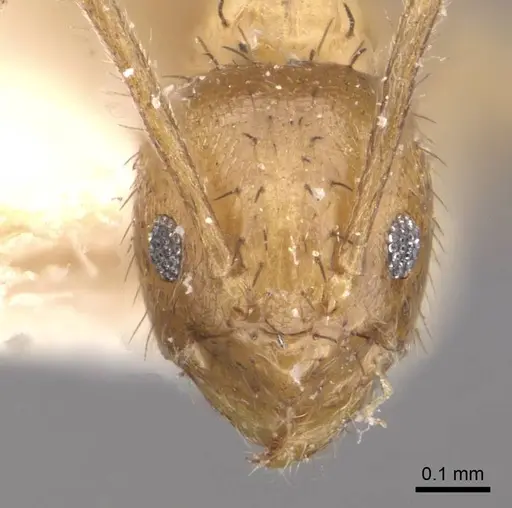
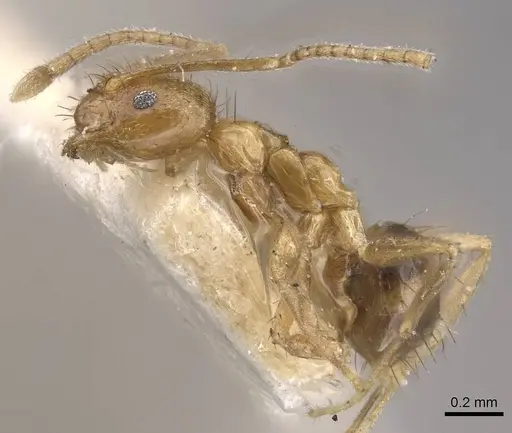
Nylanderia kraepelini is a small, slender ant species native to Southeast Asia, found across Borneo, Indonesia, Malaysia, and Singapore . Workers are tiny and typically yellowish to light brown with a relatively soft exoskeleton - research shows their cuticle is thin, making them quite delicate compared to many other ants . This species was originally described from Java in 1905 and has since been recorded throughout the Indomalaya region. These ants are highly adaptable and have been found in both intact rainforest and agricultural areas converted from forest . They are generalist foragers that likely feed on honeydew, small insects, and sweet liquids - typical of the Nylanderia genus. Their thin cuticle means they dry out easily, so humidity control is critical for successful captive keeping.
Quick Summary
- Difficulty: Medium
- Origin & Habitat: Native to Southeast Asia, found in Borneo, Indonesia (Java), Malaysia, and Singapore. Inhabits tropical rainforest environments and surrounding areas [1][3].
- Colony Type: Unconfirmed, based on typical Nylanderia patterns, likely polygyny (multiple queens), but specific colony structure is not documented for this species.
- Size & Growth:
- Queen: Inferred from Nylanderia genus (~4-5 mm), size data unavailable from specific research
- Worker: Inferred from Nylanderia genus (~1.5-2.5 mm), size data unavailable from specific research
- Colony: Unknown for this species, likely up to several hundred workers based on related Nylanderia species
- Growth: Unknown, likely moderate to fast based on tropical species patterns
- Development: Estimated 4-6 weeks at tropical temperatures (25-28°C) based on genus patterns, specific data not available (Development likely similar to other Nylanderia species, relatively fast for tropical ants)
- Antkeeping:
- Temperature: Keep at 24-28°C. Tropical species requiring warm conditions year-round, based on distribution in tropical regions [1]. A small heating cable on one side of the nest creates a suitable gradient.
- Humidity: High humidity is critical due to their thin cuticle [2]. Keep substrate consistently moist but not waterlogged. Aim for high humidity in the nest area.
- Diapause: No diapause required, being a tropical species, they remain active year-round if kept warm.
- Nesting: Prefers humid nest environments. Test tubes with water reservoirs work well, or plaster nests that retain moisture. Avoid dry setups.
- Behavior: Active and agile foragers. Based on typical Nylanderia patterns, they are likely quick-moving and may be skittish. Workers are small enough to squeeze through standard test tube openings, escape prevention should be moderate to good. Not aggressive but may bite if threatened.
- Common Issues: thin cuticle makes them prone to drying out, humidity management is critical, small size means escapes are possible through small gaps, tropical species may struggle if temperatures drop below 22°C, colony growth may be slow initially, patience is needed
Housing and Nest Setup
Nylanderia kraepelini requires humid nest conditions due to their exceptionally thin cuticle [2]. Test tubes with water reservoirs work well, the cotton should remain damp but not flooded. For larger colonies, plaster nests that hold moisture are excellent choices. Avoid setups that dry out quickly.
Because they are tiny ants, standard test tube setups usually work fine, but ensure any connections between the nest and outworld are secure. A small gap in tubing can allow escapes. The outworld can be simple, a plastic container works fine. Keep the entire setup away from direct sunlight and air conditioning vents that could dry them out.
Feeding and Diet
Feeding information is not specifically documented for this species. Based on typical Nylanderia behavior, they are generalists that likely accept a variety of foods, such as honeydew, small insects, and sweet liquids. Offer sugar water or honey regularly, and for protein, small prey items like fruit flies may work well.
Feed small amounts initially and observe consumption. Remove uneaten prey after 24-48 hours to prevent mold. A constant sugar source is recommended, with protein offered 2-3 times per week depending on colony size.
Temperature and Humidity Management
This is a tropical species requiring warm, humid conditions. Maintain temperatures between 24-28°C year-round, based on distribution in tropical regions [1]. A small heating cable placed on one side of the nest creates a gradient allowing ants to self-regulate.
Humidity is the most critical factor, their thin exoskeleton makes them vulnerable to dehydration [2]. Keep the nest substrate visibly moist. If using a test tube, check that the water reservoir hasn't evaporated. A light misting of the outworld occasionally can help, but avoid creating standing water.
Colony Development and Growth
Specific development data for Nylanderia kraepelini is not available. Based on typical Nylanderia patterns, expect relatively fast development compared to temperate species. At optimal tropical temperatures (25-28°C), egg to worker likely takes 4-6 weeks. The first workers will be smaller than mature workers.
Colony growth is initially slow as the queen focuses on producing a small initial brood. Once established, growth typically accelerates. Maximum colony size is unknown but likely reaches several hundred workers based on related species. Patience is essential during the founding phase.
Behavior and Temperament
Nylanderia kraepelini workers are active, quick-moving foragers. Based on genus patterns, they likely form foraging trails and are efficient at discovering food sources. Like others in the genus, they are not particularly aggressive but may bite if the nest is disturbed. Their small size makes them appear skittish.
These ants are not known for being escape artists, but their small size still requires attention to gaps in equipment. They are generalists and adapt well to various foraging situations.
Frequently Asked Questions
How long does it take for Nylanderia kraepelini to produce first workers?
Specific development data is not available for this species. Based on typical Nylanderia patterns at tropical temperatures (25-28°C), first workers may appear in approximately 4-6 weeks after the queen lays eggs.
What temperature do Nylanderia kraepelini ants need?
Keep them at 24-28°C. This is a tropical species requiring warm conditions year-round, based on distribution in tropical regions [1]. A small heating cable on part of the nest creates a gradient they can use to regulate their temperature.
How often should I feed Nylanderia kraepelini?
Feeding frequency is not specifically documented. Based on typical ant care, offer a constant sugar source (honey water or a honey drop). Feed protein (small insects like fruit flies) 2-3 times per week, adjusting based on colony size.
Do Nylanderia kraepelini ants need hibernation?
No. Being a tropical species from Southeast Asia, they do not require diapause or hibernation. Keep them warm year-round (24-28°C) for optimal development.
Are Nylanderia kraepelini good for beginners?
They are rated as medium difficulty. The main challenge is maintaining proper humidity, their thin cuticle makes them prone to drying out [2]. If you can keep a humid nest setup stable, they are manageable for beginners with some antkeeping experience.
How big do Nylanderia kraepelini colonies get?
The maximum colony size is not documented for this specific species. Based on related Nylanderia species, colonies likely reach up to several hundred workers. Growth is moderate once established.
Can I keep multiple Nylanderia kraepelini queens together?
This species' colony type is unconfirmed. Based on typical Nylanderia behavior, it may be polygyny (multiple queens), but there is no specific documentation on whether they accept multiple unrelated queens.
Why are my Nylanderia kraepelini dying?
The most likely cause is drying out. Their cuticle is thin, making them vulnerable to dehydration [2]. Check that the nest substrate remains moist and humidity is high. Also ensure temperatures are warm (24-28°C) and not too cold.
When should I move Nylanderia kraepelini to a formicarium?
Wait until the colony has a reasonable number of workers before moving to a larger setup. A test tube setup works fine for smaller colonies. When moving, connect the test tube to an outworld or larger nest using tubing, do not simply dump the ants.
Report an Issue
The current care sheet is based fully on literature. See inconsistencies, or something that's incorrect? Please , it will be resolved after review from an admin. Contributing to the blogs tab also helps providing information, to make us be able to further improve the caresheets. Thank you for your support!
References

Dieses Caresheet ist lizenziert unter CC BY-SA 4.0 .
Community-Blogs
CASENT0911007
Auf AntWeb ansehen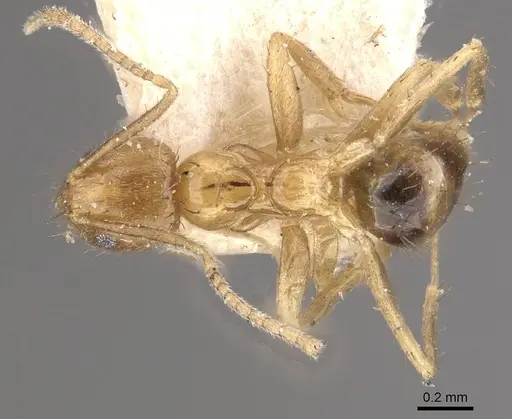
Literatur
Verbreitungskarte wird geladen...Produkte werden geladen...