
Monomorium subdentatum
- Wiss. Name
- Monomorium subdentatum
- Tribus
- Solenopsidini
- Unterfamilie
- Myrmicinae
- Autor
- Forel, 1913
- Verbreitung
- In 0 Ländern gefunden
Einleitung
Monomorium subdentatum is a small ant species endemic to the Haut-Katanga region in the Democratic Republic of Congo . The genus Monomorium contains over 300 species worldwide, typically with workers measuring 2-4mm in length. This species was originally described by Forel in 1913 and has been recorded in subsequent biodiversity surveys of Congolese ants . As a poorly studied endemic species from central Africa, specific details about its behavior, colony structure, and care requirements are not documented in available research.
Quick Summary
- Difficulty: Unknown
- Origin & Habitat: Endemic to Haut-Katanga in the Democratic Republic of Congo. Specific habitat preferences are not documented in available literature.
- Colony Type: Unconfirmed, colony structure (single-queen or multi-queen) has not been studied for this species.
- Size & Growth:
- Queen: Unknown, no morphological measurements available in current data
- Worker: Unknown, no morphological measurements available in current data
- Colony: Unknown, no colony size data available
- Growth: Unknown
- Development: Unknown, no development data available for this species (No direct studies on development timeline exist.)
- Antkeeping:
- Temperature: Unknown, no specific studies exist for this species. As a tropical species from the Congo, warm conditions are likely needed.
- Humidity: Unknown, no specific humidity data exists for this species.
- Diapause: Unknown, no studies on seasonal behavior. Tropical species from Haut-Katanga may not require formal hibernation.
- Nesting: Not documented in available research. Most Monomorium species nest in soil, under stones, or in rotting wood [2].
- Behavior: Behavior is unstudied. The genus Monomorium generally contains docile ants that form small to moderate colonies. Workers are small and may be prone to escaping through small gaps. This species belongs to the subfamily Myrmicinae and tribe Solenopsidini, which use a sting as their primary defense mechanism, injecting venom composed of piperidine alkaloids.
- Common Issues: No species-specific care data exists, keepers must experiment with conditions, Escape prevention is critical due to unknown but likely small worker size, Growth rate is unknown so patience is required, Wild-caught colonies may have unknown parasites or diseases, No information on accepted foods, start with standard ant diet and observe
Species Background
Monomorium subdentatum is a poorly known ant species from the Monomorium genus, which contains over 300 species worldwide. This particular species was first described by Auguste Forel in 1913 and is endemic to the Haut-Katanga province in the Democratic Republic of Congo [1]. The species name 'subdentatum' suggests some morphological characteristic related to teeth or dentition on the ant's body, though specific details are not documented in available literature. This species represents a knowledge gap in myrmecology, it has been recorded in biodiversity surveys but has not been the subject of detailed biological or ecological study.
Defense Mechanism
This species belongs to the subfamily Myrmicinae and tribe Solenopsidini. Members of this tribe use a sting as their primary defense mechanism. The venom is composed mostly of piperidine alkaloids, which is used both for hunting prey and defending the colony.
Housing and Nesting
Since specific nesting requirements are not documented, use standard setups that work for related small Monomorium species. A clean test tube setup with a water reservoir works well for founding colonies. For established colonies, small ytong nests or plaster nests with narrow chambers scaled to their size are appropriate. Ensure the nest has some damp substrate but avoid excessive moisture that could cause mold. Given their likely small size, provide chambers and tunnels appropriately scaled to prevent workers from getting lost in overly large spaces.
Feeding
No specific dietary studies exist for this species. Based on typical Monomorium biology, they likely accept both sugar sources (honey water, sugar water) and protein sources (small insects, mealworms). Start with standard ant foods and observe what the colony accepts. Given their likely small size, prey items should be appropriately small, fruit flies, small springtails, or tiny insect pieces work well. Remove uneaten food promptly to prevent mold.
Temperature and Care
This species comes from the Congo, a tropical region, so it likely requires warm conditions. No specific studies exist on diapause requirements, but tropical ants typically do not require formal hibernation. A heating cable on one side of the nest can create a gradient allowing workers to choose their preferred temperature. Monitor colony activity, if workers seem sluggish, slightly increase temperature, if they avoid the heated area, reduce it.
Behavior
Specific behavioral observations for Monomorium subdentatum are not documented. The genus Monomorium generally contains docile ants that form moderate-sized colonies. Workers are likely small and may show typical ant behaviors like foraging, brood care, and trophallaxis (food sharing). Given their likely small size, they may be capable of escaping through standard test tube openings, use fine mesh on any ventilation holes and consider barrier gel on edges.
Frequently Asked Questions
How do I care for Monomorium subdentatum ants?
Specific care requirements are not documented for this species. Based on typical Monomorium needs, provide a warm, moderately humid nest with access to both sugar water and small protein prey. Start with standard setups and adjust based on colony response.
What do Monomorium subdentatum ants eat?
Their exact diet is unstudied. Likely accept standard ant foods including sugar water or honey and small insects. Given their small size, offer appropriately sized prey like fruit flies or tiny insect pieces.
How big do Monomorium subdentatum colonies get?
Colony size is unknown, no studies have documented maximum colony sizes for this species. Most Monomorium species form small to moderate colonies.
What temperature do Monomorium subdentatum ants need?
No specific studies exist. As a tropical species from the Congo, warm conditions are likely needed.
How long does it take for Monomorium subdentatum to develop from egg to worker?
Unknown, no species-specific development data exists.
Is Monomorium subdentatum a good species for beginners?
Difficulty level is unknown due to lack of specific care data. This species is not commonly kept, and there are no established care protocols. It may not be ideal for beginners who benefit from well-documented species.
Where is Monomorium subdentatum found?
This species is endemic to Haut-Katanga in the Democratic Republic of Congo [1]. It has only been recorded in this specific region of central Africa.
Do Monomorium subdentatum ants need hibernation?
Unknown, no studies on seasonal behavior. As a tropical species from the Congo, they likely do not require formal hibernation but may reduce activity during cooler periods.
Can I keep multiple Monomorium subdentatum queens together?
Colony structure is unconfirmed. No studies exist on whether this species is single-queen or multi-queen. Do not combine unrelated foundress queens without observation.
Report an Issue
The current care sheet is based fully on literature. See inconsistencies, or something that's incorrect? Please , it will be resolved after review from an admin. Contributing to the blogs tab also helps providing information, to make us be able to further improve the caresheets. Thank you for your support!
References

Dieses Caresheet ist lizenziert unter CC BY-SA 4.0 .
Community-Blogs
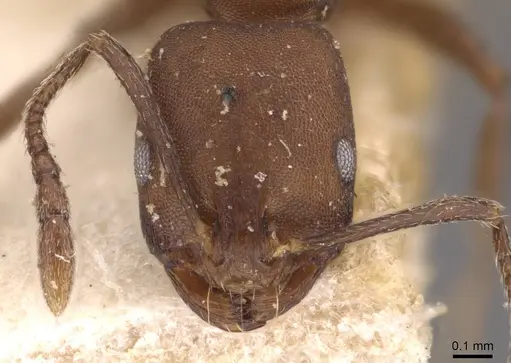
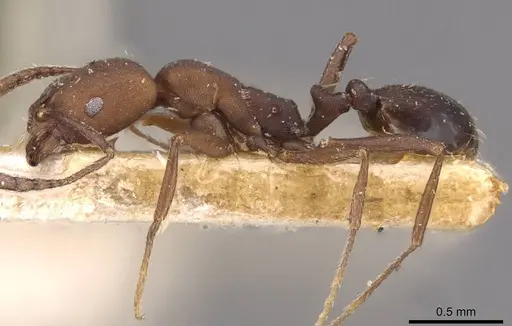
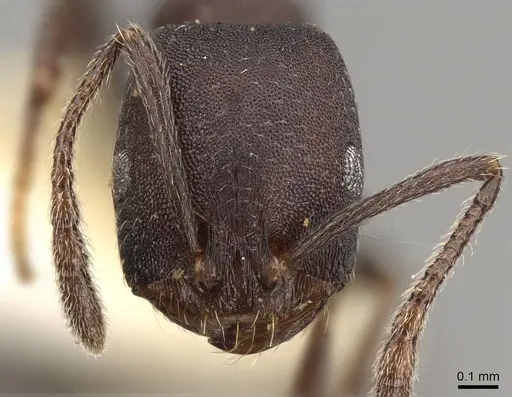
CASENT0908745
Auf AntWeb ansehen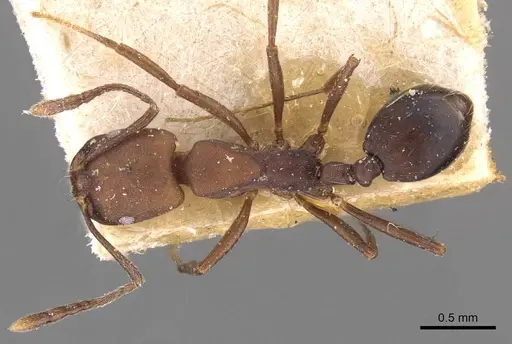
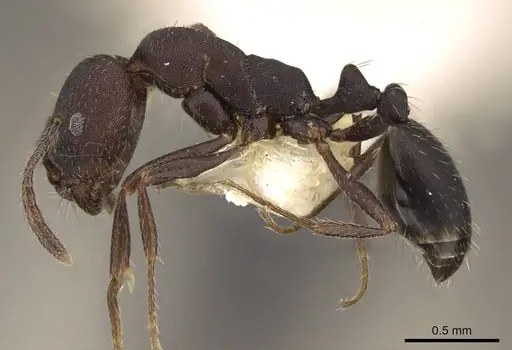
CASENT0914159
Auf AntWeb ansehen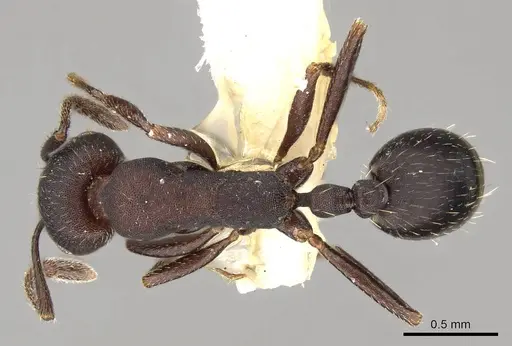
Literatur
Verbreitungskarte wird geladen...Produkte werden geladen...