
Lioponera nkomoensis
- Wiss. Name
- Lioponera nkomoensis
- Unterfamilie
- Dorylinae
- Autor
- Forel, 1916
- Verbreitung
- In 0 Ländern gefunden
Einleitung
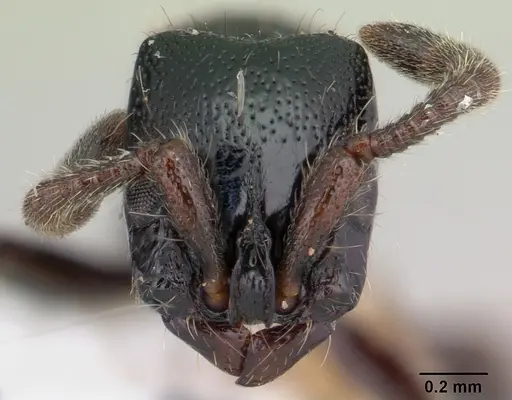
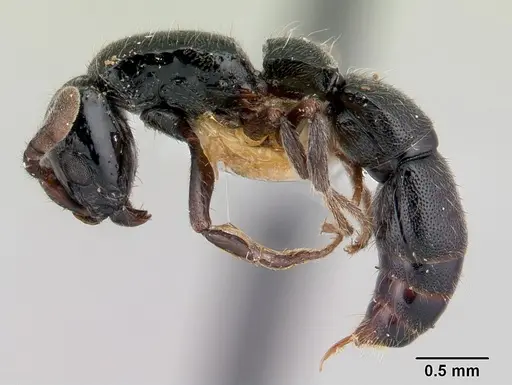
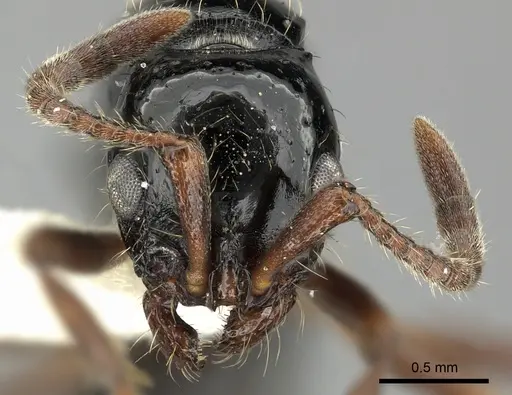
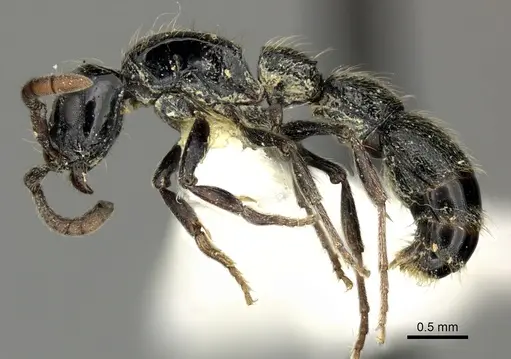
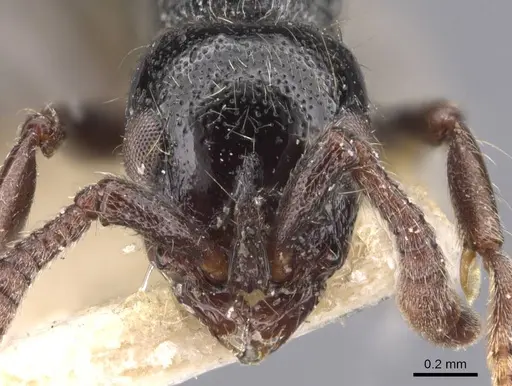
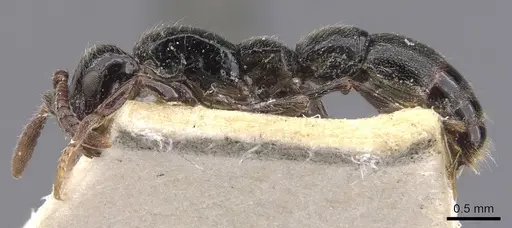
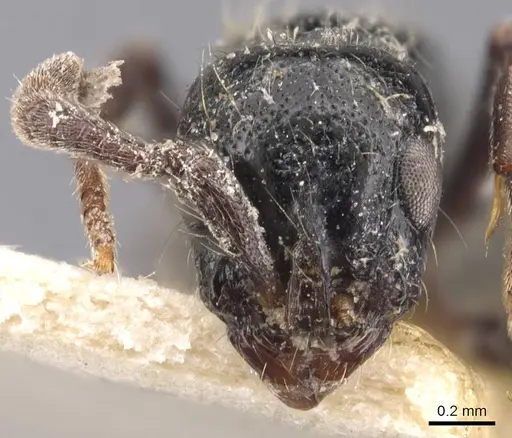
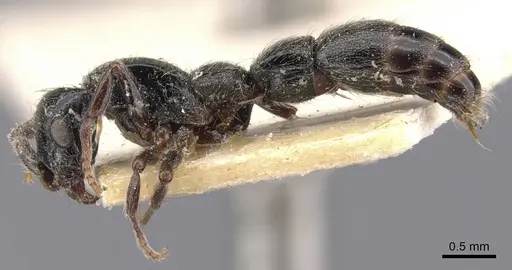
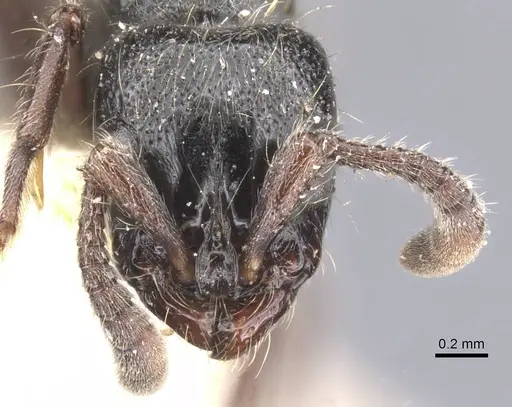
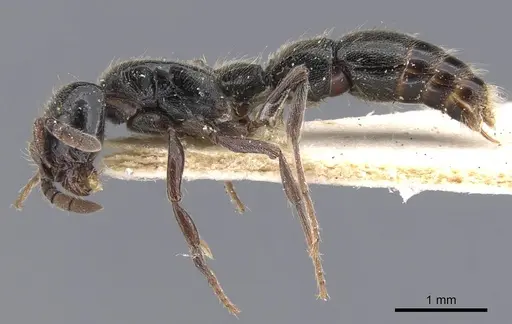
Lioponera nkomoensis is a small predatory ant native to the Democratic Republic of Congo, specifically recorded from the TO Province . Originally described as Cerapachys nkomoensis, this species belongs to the Lioponera clade within the Doryline subfamily (army ants and their relatives) . Workers are small, predatory ants with the typical doryline body plan - compact with a powerful sting. As a doryline ant, this species is a specialized predator that hunts other small invertebrates. Colony size data is unavailable in the literature.
Quick Summary
- Difficulty: Medium
- Origin & Habitat: Democratic Republic of Congo (TO Province) [1]. Natural habitat details are not documented in available literature.
- Colony Type: Colony structure is unconfirmed. No specific documentation exists for Lioponera nkomoensis colony organization.
- Size & Growth:
- Queen: Size data unavailable
- Worker: Size data unavailable
- Colony: Unknown, no documented colony sizes exist
- Growth: Unknown
- Development: Unconfirmed, no specific development data available (Development timeline has not been studied for this species.)
- Antkeeping:
- Temperature: Keep at 24-28°C. This is an estimate based on typical doryline preferences for warm, tropical conditions.
- Humidity: Maintain moderate to high humidity (60-80%). This is an estimate based on typical doryline forest floor habitat preferences.
- Diapause: Unknown for this specific species. No documentation exists regarding diapause requirements.
- Nesting: Provide a naturalistic setup with moist substrate (soil/soil-sand mix) or a Y-tong/plaster nest with narrow chambers. Doryline ants often prefer enclosed, dark spaces.
- Behavior: As a doryline ant, Lioponera nkomoensis is predatory and hunts small invertebrates. Workers likely forage in small groups. They possess a functional sting for subduing prey. Escape risk is moderate, they are small ants that may escape through small gaps. They may defend the colony if threatened.
- Common Issues: limited documented care information makes all recommendations uncertain, predatory diet requires regular protein (live prey preferred), humidity management is critical, too dry causes desiccation, slow or unpredictable colony development is likely, wild-caught colonies may carry parasites, this species is rarely available in the antkeeping trade
Understanding Lioponera nkomoensis
Lioponera nkomoensis is a member of the Doryline ant subfamily, which includes army ants and their specialized predatory relatives. Originally classified as Lioponera nkomoensis, recent phylogenetic research places it within the Lioponera clade [2]. This species is known only from the Democratic Republic of Congo, specifically from the TO Province [1]. Very little specific biological data exists for this species in the scientific literature. As a doryline ant, it shares the predatory lifestyle characteristic of this group, hunting other small invertebrates rather than collecting honeydew or seeds.
Housing and Nest Setup
For this species, provide a nest setup that maintains consistent humidity and darkness. A Y-tong or plaster nest with narrow chambers works well, or a naturalistic setup with a deep soil layer (at least 5-7cm) in a formicarium. The nest chambers should be relatively small and enclosed, mimicking underground cavities. Use a substrate mixture that holds moisture well, a blend of soil and sand works nicely. Always include a moisture gradient so the colony can self-regulate. The outworld should be simple with minimal climbing structures since these are primarily ground-dwelling ants.
Feeding and Diet
Lioponera nkomoensis is a predator, so protein-rich foods are essential. Offer small live prey such as fruit flies, pinhead crickets, small mealworms, and especially other ant brood if available. Some keepers report success with frozen-thawed insects, but live prey likely leads to better colony growth. Feed every 2-3 days, adjusting based on consumption. Remove uneaten prey after 24 hours to prevent mold. Sugar sources are not typically a significant part of doryline diets, but you can occasionally offer a drop of honey or sugar water.
Temperature and Humidity Management
Maintain temperatures in the range of 24-28°C. These are estimates based on typical doryline preferences for warm conditions. A small heating cable on one side of the nest can create a gentle gradient, allowing workers to move to their preferred temperature zone. For humidity, aim for 60-80% relative humidity within the nest. The substrate should feel consistently damp but never waterlogged. Check moisture levels every few days and add water as needed. Poor humidity leads to desiccation and colony loss, while excessive moisture promotes mold.
Colony Development and Expectations
Colony development for Lioponera nkomoensis is not documented. Expect slow to moderate growth based on related doryline species. The first workers may take several months to develop under optimal conditions, though this is an estimate. Colony size likely remains modest, probably several hundred workers at maturity rather than massive swarms. Growth depends heavily on consistent protein feeding and proper temperature. Be patient with this species. Regular feeding and stable conditions are key to success.
Frequently Asked Questions
How long does it take for Lioponera nkomoensis to produce first workers?
This is unconfirmed. Based on related doryline ants, expect several months from egg to first worker at optimal temperature. Actual development time is unknown.
What do Lioponera nkomoensis ants eat?
They are predators. Feed small live insects like fruit flies, pinhead crickets, small mealworms, and ideally ant brood from feeder colonies. Frozen-thawed prey may be accepted but live prey likely gives better results.
Can I keep multiple Lioponera nkomoensis queens together?
This has not been documented. No information exists about queen tolerance in this species. Combining unrelated queens is not recommended without evidence they will accept each other.
What temperature do Lioponera nkomoensis need?
Keep them warm at 24-28°C. This is an estimate based on typical doryline preferences. A slight gradient allowing self-selection is ideal.
Are Lioponera nkomoensis good for beginners?
No. This species is not recommended for beginners due to limited documented care information, specific predatory dietary needs, and the difficulty of obtaining established colonies. Medium to advanced antkeeping experience is advised.
Do Lioponera nkomoensis need hibernation?
Diapause requirements are unknown for this species. Given their Congolese origin, they likely do not require true hibernation but may reduce activity in cooler conditions. Maintain warm temperatures year-round.
How big do Lioponera nkomoensis colonies get?
Colony size is not documented. Based on typical Lioponera patterns, colonies likely reach several hundred workers at maximum rather than the thousands seen in army ants.
What humidity level is ideal for Lioponera nkomoensis?
Maintain 60-80% humidity in the nest. This is an estimate based on typical doryline habitat preferences. The substrate should feel consistently damp but not waterlogged.
When should I move Lioponera nkomoensis to a formicarium?
Wait until the colony has at least 20-30 workers and the founding chamber is becoming crowded. Doryline ants often prefer to stay in smaller, more enclosed spaces. Ensure the new setup maintains similar humidity and darkness.
Report an Issue
The current care sheet is based fully on literature. See inconsistencies, or something that's incorrect? Please , it will be resolved after review from an admin. Contributing to the blogs tab also helps providing information, to make us be able to further improve the caresheets. Thank you for your support!
References

Dieses Caresheet ist lizenziert unter CC BY-SA 4.0 .
Community-Blogs
CASENT0178209
Auf AntWeb ansehen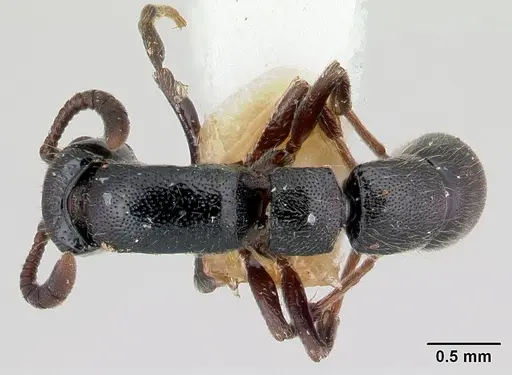
CASENT0249300
Auf AntWeb ansehen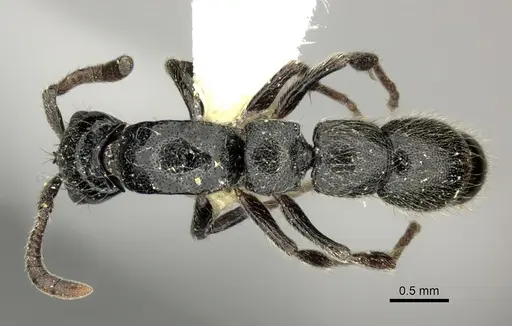
CASENT0403542
Auf AntWeb ansehen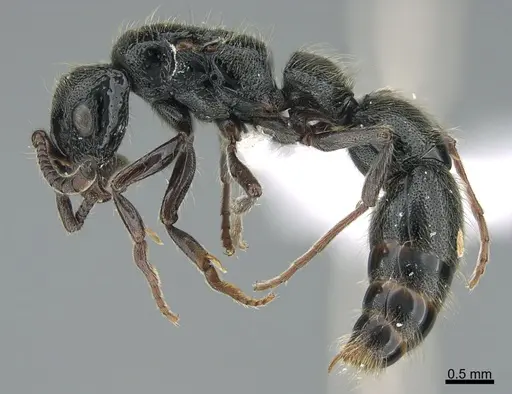
CASENT0907062
Auf AntWeb ansehen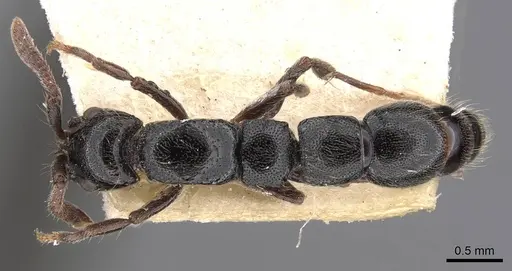
CASENT0907068
Auf AntWeb ansehen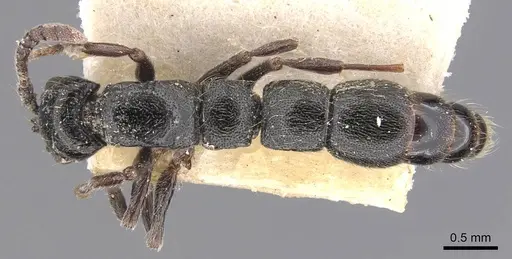
CASENT0911261
Auf AntWeb ansehen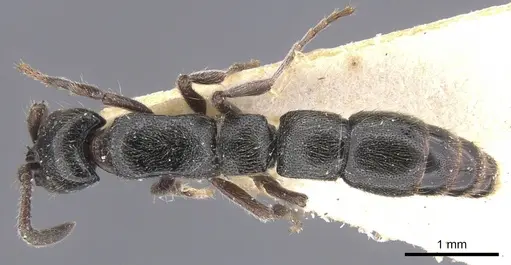
Literatur
Verbreitungskarte wird geladen...Produkte werden geladen...