
Leptogenys malayana
- Wiss. Name
- Leptogenys malayana
- Tribus
- Ponerini
- Unterfamilie
- Ponerinae
- Autor
- Arimoto, 2017
- Verbreitung
- In 0 Ländern gefunden
Einleitung
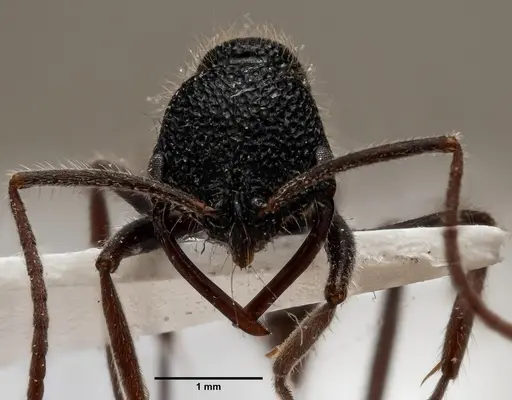
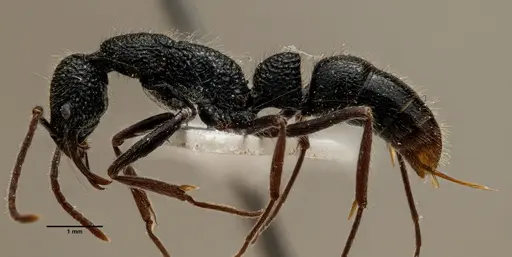
Leptogenys malayana is a predatory ant species described in 2017 from Peninsular Malaysia (Trengganu). Workers have a distinctive appearance with a head that is almost as long as wide, very long antennae that extend well past the back of the head, and a tall, fan-shaped petiole. Their body is primarily black with a reddish tinge on the gaster, while the legs, antennae, and underside of the petiole are dark red . This species belongs to the Leptogenys modiglianii species group. Like other Ponerinae ants, they possess a functional sting for defense. Almost nothing is known about this species' biology, colony structure, or captive care requirements, making it a frontier species for advanced antkeepers.
Quick Summary
- Difficulty: Unknown
- Origin & Habitat: Peninsular Malaysia (Trengganu) in tropical rainforest habitats [1][2]
- Colony Type: Unconfirmed, colony structure has not been documented
- Size & Growth:
- Queen: Unknown, queen has not been described [1]
- Worker: Size data unavailable, worker measurements provided (HL 1.57-1.63mm, WL 2.57-2.78mm) represent head and mesosoma only, not total body length [1]
- Colony: Unknown, no colony data exists
- Growth: Unknown, no development data exists
- Development: Unknown, no direct observations (Development timeline unconfirmed for this species)
- Antkeeping:
- Temperature: Estimated: 24-28°C based on tropical Malaysian origin
- Humidity: Estimated: 70-85% humidity to match rainforest origin
- Diapause: Unknown, no seasonal data exists. Peninsular Malaysia has minimal temperature variation, so true diapause may not be required.
- Nesting: Estimated: Likely nests in soil or under stones on forest floor. A naturalistic setup with moist substrate or Y-tong/plaster nest with good humidity retention would be appropriate.
- Behavior: Leptogenys are predatory ants that hunt spiders and other small invertebrates. They have good vision and are active foragers. Workers may be moderate escape risks, use standard barrier precautions. As Ponerinae, they possess a functional sting that can be used for defense. Queen is unknown so founding behavior cannot be confirmed.
- Common Issues: no captive data exists, this is an essentially unknown species in the antkeeping hobby, queen and colony structure unconfirmed, keepers may face uncertainty about proper care, growth and development timeline completely unknown, risk of acquiring wild-caught colonies with parasites or disease due to limited availability, founding behavior unconfirmed, may be claustral or semi-claustral
Appearance and Identification
Leptogenys malayana workers have a distinctive appearance characterized by a head that is almost as long as it is wide, very long antennae that extend well past the back of the head by about two-fifths of their length, and a tall, fan-shaped petiole that is distinctly higher than it is long. The body is primarily black with a reddish tinge on the gaster, while the legs, antennae, and underside of the petiole are dark red. The mandibles are curved near the base but straighten toward the tip, and the gaster has characteristic scalloped depressions on the first segment. These features place it in the Leptogenys modiglianii species group, which contains several similar-looking relatives from Southeast Asia [1].
Distribution and Habitat
This species is known only from Trengganu Province in Peninsular Malaysia. The exact collecting locality is unknown as the type specimens were collected in 1974 but not formally described until 2017. Based on the location and genus patterns, L. malayana likely inhabits tropical rainforest environments in the humid, warm climate of mainland Malaysia. The region experiences year-round warmth with high rainfall, suggesting the ants prefer damp, shaded forest floor microhabitats [1][2].
Defense Mechanism
Like other Ponerinae ants in the tribe Ponerini, Leptogenys malayana possesses a functional sting. Their venom is peptide-rich and can cause pain to vertebrates. This is their primary defense mechanism when threatened.
What We Do Not Know - An Honest Assessment
Antkeepers considering this species must understand that it is one of the least documented ants in the hobby. The queen has never been described, meaning there is no information about her size, appearance, or founding behavior. Colony structure (whether they have one queen or multiple) is completely unknown. Development time from egg to worker, optimal temperature and humidity ranges, and even basic diet preferences have not been studied. This is not a species for beginners seeking clear care guidelines, it is a species for advanced hobbyists willing to experiment and document their findings.
Inferred Care Based on Genus Patterns
While specific data is lacking, care can be estimated based on other Leptogenys species. The genus contains predatory ants that typically hunt spiders and other small invertebrates, so L. malayana likely accepts small live prey such as fruit flies, pinhead crickets, small worms, and other micro-arthropods. Temperature requirements are estimated at 24-28°C based on the tropical origin, and humidity should be kept high (70-85%) to match the rainforest environment. These are starting points, observe your colony and adjust accordingly.
Acquisition and Ethical Considerations
Because this species is not established in the antkeeping hobby, acquisition likely depends on wild-caught colonies or queens. This presents ethical and practical concerns. Wild-caught colonies often carry parasites, diseases, or stress from collection that can cause colony failure in captivity. Additionally, removing colonies from their native habitat may impact local populations, especially for a species that appears to have a limited distribution. If you obtain wild-caught specimens, quarantine and monitor them carefully. Documenting observations helps build knowledge for this poorly understood species.
Frequently Asked Questions
How difficult is Leptogenys malayana to keep?
Difficulty is unknown, this is one of the most poorly documented species in the antkeeping hobby. It is not recommended for beginners who need clear care guidelines. Advanced antkeepers willing to experiment may have success.
What do Leptogenys malayana ants eat?
Diet is unconfirmed for this specific species, but Leptogenys ants are typically predatory on spiders and other small invertebrates. Based on genus patterns, they likely accept small live prey such as fruit flies, pinhead crickets, small worms, and other micro-arthropods.
Do Leptogenys malayana queens need to hunt during founding?
This is unconfirmed. The founding behavior of L. malayana has not been documented, the queen has never been described.
What temperature and humidity do Leptogenys malayana need?
Temperature and humidity are unconfirmed for this species. Based on its Malaysian rainforest origin, estimated requirements are 24-28°C and 70-85% humidity. Start in this range and observe colony behavior.
How big do Leptogenys malayana colonies get?
Colony size is unknown, no colony data exists for this species.
Does Leptogenys malayana need hibernation?
Diapause requirements are unknown. Peninsular Malaysia has minimal seasonal temperature variation, so a true winter diapause may not be required.
Can I keep multiple Leptogenys malayana queens together?
This is unconfirmed. The colony structure (monogyne vs polygyne) has not been documented. Combining unrelated queens is not recommended without evidence they will tolerate each other.
How long does it take for Leptogenys malayana to produce first workers?
Development timeline is completely unknown, no egg-to-worker data exists for this species.
Are Leptogenys malayana ants aggressive?
Aggression is unconfirmed for this specific species, but Leptogenys as a genus are typically active predators with good vision. As Ponerinae, they possess a sting and may defend their nest. Use standard precautions when handling or working with the colony.
Where can I acquire Leptogenys malayana?
This species is extremely rare in the antkeeping hobby. Acquisition would likely depend on finding wild-caught colonies or queens, which carries ethical and practical risks.
Report an Issue
The current care sheet is based fully on literature. See inconsistencies, or something that's incorrect? Please , it will be resolved after review from an admin. Contributing to the blogs tab also helps providing information, to make us be able to further improve the caresheets. Thank you for your support!
References

Dieses Caresheet ist lizenziert unter CC BY-SA 4.0 .
Community-Blogs
ANTWEB1060639
Auf AntWeb ansehen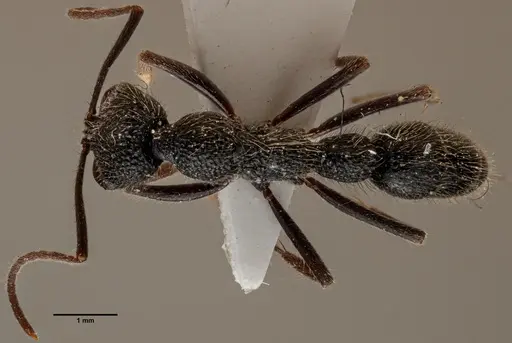
Literatur
Verbreitungskarte wird geladen...Produkte werden geladen...