
Lepisiota tenuipilis
- Wiss. Name
- Lepisiota tenuipilis
- Tribus
- Plagiolepidini
- Unterfamilie
- Formicinae
- Autor
- Santschi, 1935
- Verbreitung
- In 0 Ländern gefunden
Einleitung
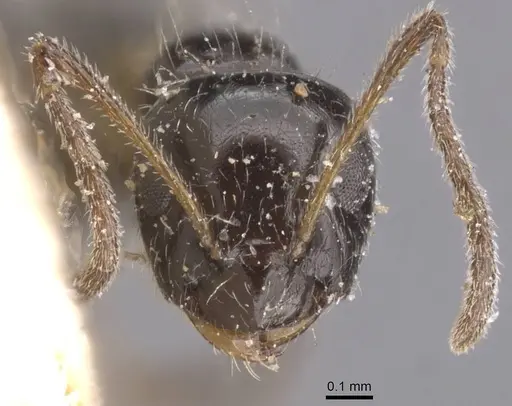
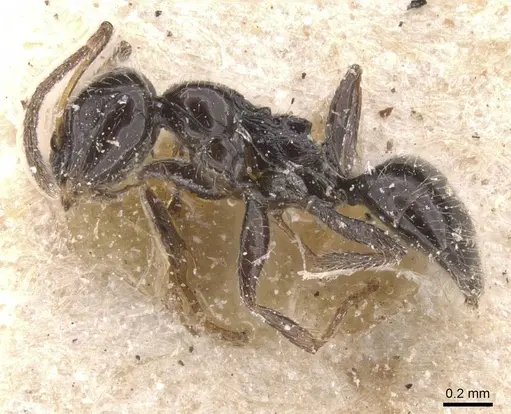
Lepisiota tenuipilis is a small to medium-sized ant species endemic to Kongo Central in the Democratic Republic of Congo . The genus Lepisiota belongs to the Formicinae subfamily and is known for its slender build and often glossy appearance. The species name 'tenuipilis' refers to the fine, thin hairs that characterize this group. These ants are found in central African habitats and represent a poorly documented species in the antkeeping hobby. Workers display the typical Lepisiota body plan with a distinct petiole and a single dorsal gland that can release defensive chemicals when threatened .
Quick Summary
- Difficulty: Medium
- Origin & Habitat: Kongo Central, Democratic Republic of Congo. This species is endemic to this region, meaning it's found nowhere else in the world [1]. The natural habitat consists of tropical forest edges and savanna areas typical of central Africa.
- Colony Type: Unconfirmed colony structure. Based on typical Lepisiota genus patterns, colonies likely establish single-queen (monogyne) colonies, though multi-queen arrangements have been observed in some related species [2].
- Size & Growth:
- Queen: Size data unavailable, inferred from Lepisiota genus patterns to be approximately 7-9mm
- Worker: Size data unavailable, inferred from Lepisiota genus patterns to be approximately 3-5mm
- Colony: Estimated up to several thousand workers based on related species [2]
- Growth: Moderate, based on typical Formicinae development patterns
- Development: Estimated 6-10 weeks at optimal temperature based on genus-level data (Development time is inferred from related Lepisiota species and typical Formicinae development patterns. Actual timing may vary.)
- Antkeeping:
- Temperature: Keep around 24-28°C. Provide a temperature gradient so ants can self-regulate. This species comes from a tropical region, so warmth is important for colony activity and brood development.
- Humidity: Moderate humidity around 50-70%. Keep the nest substrate lightly moist but allow some drying areas. Mist occasionally and provide a water source.
- Diapause: Likely minimal or no true diapause. As a tropical species from central Africa, they probably do not require hibernation. Reduce feeding and lower temperatures slightly (to around 20-22°C) during winter months may be beneficial but is not required.
- Nesting: Provide a naturalistic setup with soil or a Y-tong/plaster nest. They prefer enclosed spaces with narrow chambers. A test tube setup works for founding colonies.
- Behavior: Lepisiota species are generally active foragers with a moderate to aggressive temperament. Workers are quick-moving and will defend their nest vigorously. They have a functional stinger and can deliver a painful sting when threatened, this is a defense mechanism to protect the colony. Escape prevention is important as they are agile climbers. They are generalist feeders that will forage for protein and sugar sources [2].
- Common Issues: Limited availability and documentation makes this a challenging species to source and keep, tropical origin means they require consistent warmth year-round, their sting can be painful, handle with care and use proper protection, wild-caught colonies may carry parasites that can be difficult to detect, limited species-specific care information means keepers must adapt from related species
Housing and Nest Setup
For founding colonies, a simple test tube setup works well. Fill the tube with water and plug the end with cotton, leaving enough dry space for the queen to seal herself into a founding chamber. Once the colony reaches 20-30 workers, you can transition to a more permanent setup. Lepisiota tenuipilis does well in naturalistic setups with soil or in Y-tong/plaster nests that provide dark, enclosed chambers. The nest should have chambers sized appropriately for the colony size, not too large, as ants prefer tight spaces. Include an outworld area for foraging. Escape prevention is important, use fluon or similar barriers on the rim of the formicarium, as these ants are agile climbers. [2]
Feeding and Diet
Lepisiota species are generalist feeders that accept both protein and sugar sources. Offer sugar water, honey, or diluted syrup as a constant energy source. For protein, provide small insects like fruit flies, small crickets, or mealworms. In the wild, these ants forage for honeydew from aphids and scale insects, plus small arthropods. Feed protein prey 2-3 times per week, and ensure sugar water is always available. Remove uneaten prey after 24-48 hours to prevent mold. Fresh water should always be accessible. [2]
Temperature and Seasonal Care
As a tropical species from central Africa, Lepisiota tenuipilis requires warm conditions. Maintain temperatures between 24-28°C in the nest area. A heating cable or mat on one side of the nest can create a gradient allowing the ants to regulate their temperature. Avoid temperatures below 20°C for extended periods. Unlike temperate species, this ant likely does not require a true hibernation period. During winter months, you can reduce feeding slightly and allow temperatures to drop to around 20-22°C, but active heating is still recommended. Brood development slows significantly below optimal temperatures.
Behavior and Handling
Workers of Lepisiota tenuipilis are active foragers and quick-moving. They are defensive of their nest and will attack perceived threats. This species has a functional stinger, while the sting is not medically significant for healthy humans, it can be painful and may cause localized irritation. When working with the colony, move slowly and avoid disturbing the nest directly. If threatened, the ants may release formic acid as a defensive spray. For regular observation, use red film over the nest area if possible, as ants cannot see red light and will behave more naturally. [2]
Frequently Asked Questions
How long does it take for Lepisiota tenuipilis to produce first workers?
Based on typical Formicinae development, expect first workers (nanitics) around 6-10 weeks after the queen lays eggs, assuming optimal temperatures of 24-28°C. Development may take longer if temperatures are lower.
What temperature do Lepisiota tenuipilis need?
Keep them warm at 24-28°C. Provide a temperature gradient so they can self-regulate. Avoid prolonged temperatures below 20°C.
Can I keep multiple Lepisiota tenuipilis queens together?
This is not recommended. Unless you have specific evidence of polygyny (multiple queens) for this species, combining unrelated queens typically results in fighting. Single-queen colonies are the standard approach.
How big do Lepisiota tenuipilis colonies get?
Based on related species, colonies likely reach several thousand workers over time. Growth is moderate, expect 1-3 years to reach substantial colony size.
Do Lepisiota tenuipilis need hibernation?
Probably not. As a tropical species from central Africa, they do not require true hibernation. You can reduce activity slightly in winter by lowering temperatures to around 20-22°C and reducing feeding, but active maintenance is still needed.
What do Lepisiota tenuipilis eat?
They are generalists. Offer sugar water, honey, or syrup as a constant energy source. For protein, provide small insects like fruit flies, small crickets, or mealworms 2-3 times per week.
Is Lepisiota tenuipilis good for beginners?
This species is not ideal for complete beginners due to limited documented care information and the fact that it requires warm, stable conditions. However, antkeepers with some experience with tropical species should find it manageable.
When should I move my colony to a formicarium?
Move from a test tube setup to a formicarium once the colony reaches roughly 20-30 workers and the test tube is becoming crowded. Make sure the formicarium has appropriate chamber sizes and humidity control.
Why are my Lepisiota tenuipilis dying?
Common causes include temperatures too low (below 20°C), improper humidity (too dry or waterlogged), mold from uneaten prey, or stress from excessive disturbance. Review each parameter and make gradual adjustments.
Report an Issue
The current care sheet is based fully on literature. See inconsistencies, or something that's incorrect? Please , it will be resolved after review from an admin. Contributing to the blogs tab also helps providing information, to make us be able to further improve the caresheets. Thank you for your support!
References

Dieses Caresheet ist lizenziert unter CC BY-SA 4.0 .
Community-Blogs
CASENT0912409
Auf AntWeb ansehen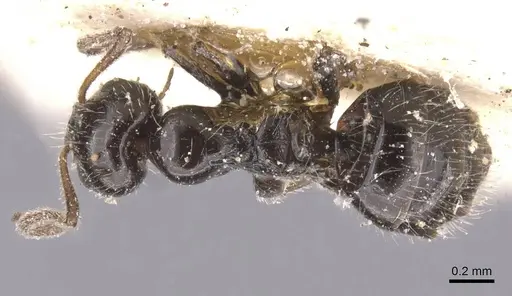
Literatur
Verbreitungskarte wird geladen...Produkte werden geladen...