
Lasius tunisius
- Wiss. Name
- Lasius tunisius
- Tribus
- Lasiini
- Unterfamilie
- Formicinae
- Autor
- Seifert, 2020
- Verbreitung
- In 0 Ländern gefunden
Einleitung
Lasius tunisius is a recently described ant species from 2020,belonging to the Lasius niger species complex within the broader Lasius emarginatus species group. Workers have a distinctive appearance with a blackish head and gaster, dark reddish-brown mesosoma, and yellowish scapes. This species is notable for being the least hairy member of the emarginatus complex, with virtually no setae on the scapes or hind tibiae. It is only known from a single location in northern Tunisia at approximately 700m elevation in the Kroumirie mountains, where it was collected from a humid broad-leafed woodland area.
Quick Summary
- Difficulty: Unknown, newly described species with extremely limited data
- Origin & Habitat: Northern Tunisia (Kroumirie mountains,10-15km south of Ain Draham) at 700m elevation. Type locality is a humid area fully covered by broad-leafed woodland [1].
- Colony Type: Unconfirmed, no colony structure data exists for this species
- Size & Growth:
- Queen: Size data unavailable, queen caste not yet described
- Worker: Approximately 4-6mm, inferred from typical Lasius worker size range [1]
- Colony: Unknown, only known from type collection of 6 workers
- Growth: Unknown
- Development: Unknown, no development data exists for this species (Direct development data not available. This is a newly described species with no captive observations.)
- Antkeeping:
- Temperature: Likely 20-26°C like other Palaearctic Lasius species. Provide a gentle temperature gradient and monitor colony activity.
- Humidity: Requires higher humidity, collected from a humid woodland area. Keep nest substrate consistently moist but not waterlogged [1].
- Diapause: Likely requires winter diapause like other Palaearctic Lasius species, expect 3-4 months at 5-10°C.
- Nesting: No specific nesting data exists. Based on humid woodland origin, they likely prefer soil nests in moist conditions. Test tubes and Y-tong nests with moist substrate should work well.
- Behavior: No specific behavioral observations exist for this species. Their small size means escape prevention is critical, they can squeeze through very small gaps.
- Common Issues: newly described species with no captive care information available, tiny size creates high escape risk without fine mesh barriers, only known from wild-caught type specimens, availability is extremely limited, humidity requirements likely higher than typical Lasius due to woodland habitat origin, colony size and development data completely unknown
Discovery and Taxonomy
Lasius tunisius was formally described in 2020 by Bernhard Seifert as part of a major taxonomic revision of Palaearctic Lasius species. The type collection consists of just 6 workers collected in October 1995 from the Kroumirie mountains in northern Tunisia. This makes it one of the rarest and most recently described Lasius species. It belongs to the Lasius emarginatus species complex within the larger niger clade, making it a close relative of common species like Lasius niger and Lasius emarginatus. The species name directly references Tunisia as its country of origin [1].
Identification and Distinction
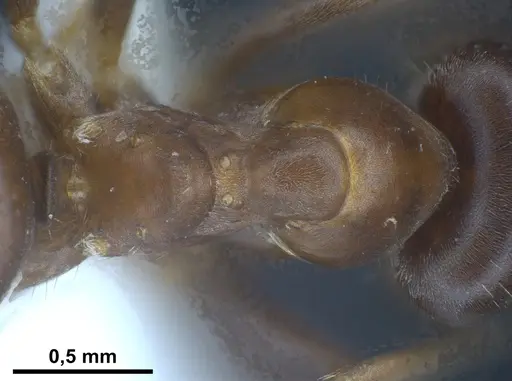
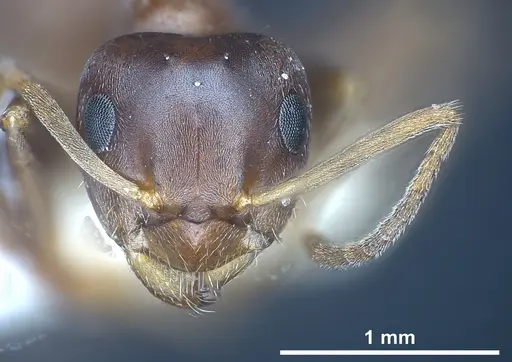
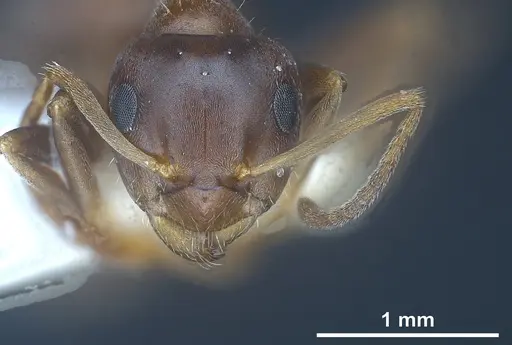
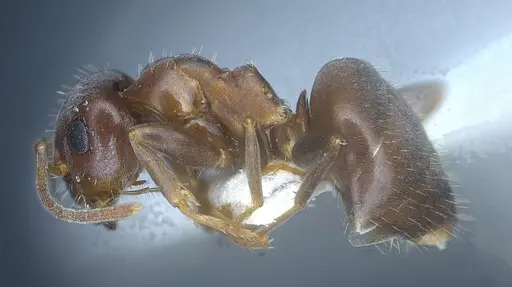
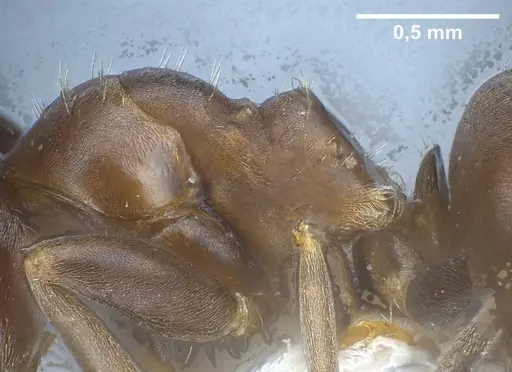
This species is notable for its extremely reduced pilosity, it is the least hairy species in the emarginatus complex. Unlike related species, Lasius tunisius has virtually no setae on the scapes or hind tibiae. The head is more rounded than in Lasius emarginatus, and they have relatively large eyes. Coloration is distinctive: blackish head and gaster, dark reddish-brown mesosoma, and yellowish scapes. These subtle morphological differences require careful examination under magnification to identify with certainty [1].
Natural Habitat and Distribution
Lasius tunisius is currently known only from a single location in Tunisia at approximately 36.712°N,8.671°E at 700m elevation in the Kroumirie mountains. The type locality was described as a rather humid area fully covered by broad-leafed woodland. This suggests it prefers cooler, more humid conditions than many other Lasius species that thrive in drier, more open habitats. The limited distribution makes this species particularly special, it has not been found anywhere else in the world despite targeted ant surveys in the region [1].
Housing and Nesting
Since no specific captive care data exists for this species, care recommendations must be inferred from related Lasius species and the limited habitat information available. The humid woodland origin suggests they prefer consistently moist nest conditions. Test tube setups work well for founding colonies, while established colonies can be moved to Y-tong nests or naturalistic setups with moist soil. The small worker size means you must use fine mesh barriers and ensure all connections are sealed, these ants can escape through gaps that would hold larger species. Provide a water tube for drinking and maintain humidity through moist substrate.
Feeding and Diet
Like other Lasius species, Lasius tunisius likely has a typical diet of honeydew from aphids and small insects. In captivity, they should accept sugar water or honey regularly, along with small protein sources like fruit flies, small mealworms, or other appropriately-sized insects. Feed protein sources 2-3 times per week and keep sugar water available at all times. Remove uneaten prey after 24-48 hours to prevent mold issues.
Temperature and Seasonal Care
Based on the Tunisian origin and related species, Lasius tunisius likely thrives at moderate temperatures around 22-26°C during the active season. The humid woodland habitat suggests they may prefer slightly cooler conditions than hotter, drier-adapted Lasius species. During winter, expect a diapause period of 3-4 months, this is essential for the health of Palaearctic species. Reduce temperature to 5-10°C during hibernation and keep the colony slightly moist but not wet. Do not feed during diapause.
Frequently Asked Questions
How long does it take for Lasius tunisius to produce first workers?
Direct development data does not exist for this newly described species. No observations of captive colony development have been recorded.
Is Lasius tunisius suitable for beginners?
This species is not recommended for beginners due to extremely limited availability and care information. It was only described in 2020 and is known from a single wild collection. Most antkeepers will not have access to this species. If you do obtain a colony, be prepared for a learning curve with no established care protocols to draw from.
What do Lasius tunisius eat?
Like other Lasius species, they likely accept sugar sources (honey, sugar water) and small protein prey. Feed small insects like fruit flies or small mealworms. Keep sugar water available at all times.
How big do Lasius tunisius colonies get?
Colony size is unknown for this species as it has only been collected once. No data exists on maximum colony size for this species.
Do Lasius tunisius need hibernation?
Like other Palaearctic Lasius species, they likely require a winter diapause. Provide 3-4 months at reduced temperatures (5-10°C) during winter. This rest period is essential for colony health and reproductive cycling in temperate species.
Can I keep multiple Lasius tunisius queens together?
Colony structure is unconfirmed for this species. No data exists on whether this species is single-queen or multi-queen. Do not combine unrelated queens unless you have specific evidence this species tolerates multiple queens.
How do I identify Lasius tunisius?
Lasius tunisius workers have virtually no hair on the scapes and hind tibiae, this is the least hairy species in the emarginatus complex. They have a blackish head and gaster, reddish-brown mesosoma, and yellowish scapes. Careful microscopic examination is required for accurate identification.
Where is Lasius tunisius found in the wild?
This species is only known from a single location in northern Tunisia, in the Kroumirie mountains about 10-15km south of Ain Draham at approximately 36.712°N,8.671°E. It was collected at approximately 700m elevation in a humid broad-leafed woodland area. It has not been found anywhere else in the world.
Is Lasius tunisius available in the antkeeping hobby?
This species is extremely rare in the hobby, if present at all. It was only described in 2020 and is known from a single type collection of 6 workers. Most antkeepers will not have access to this species.
Report an Issue
The current care sheet is based fully on literature. See inconsistencies, or something that's incorrect? Please , it will be resolved after review from an admin. Contributing to the blogs tab also helps providing information, to make us be able to further improve the caresheets. Thank you for your support!
References

Dieses Caresheet ist lizenziert unter CC BY-SA 4.0 .
Community-Blogs
ANTWEB1041455
Auf AntWeb ansehen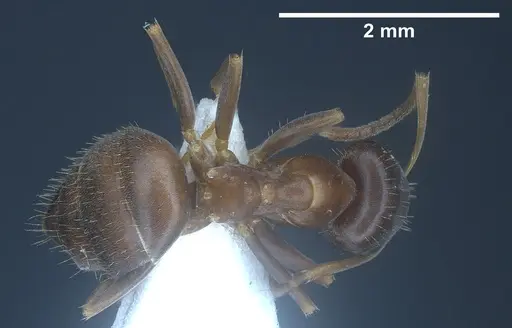
Literatur
Verbreitungskarte wird geladen...Produkte werden geladen...