
Holcoponera epinotalis
- Wiss. Name
- Holcoponera epinotalis
- Tribus
- Ectatommini
- Unterfamilie
- Ectatomminae
- Autor
- Emery, 1897
- Verbreitung
- In 0 Ländern gefunden
Einleitung
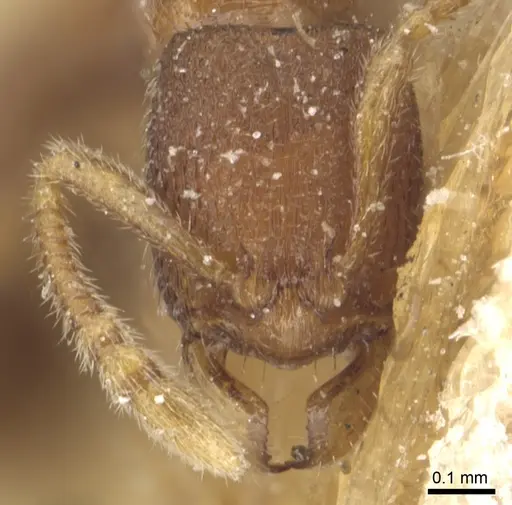
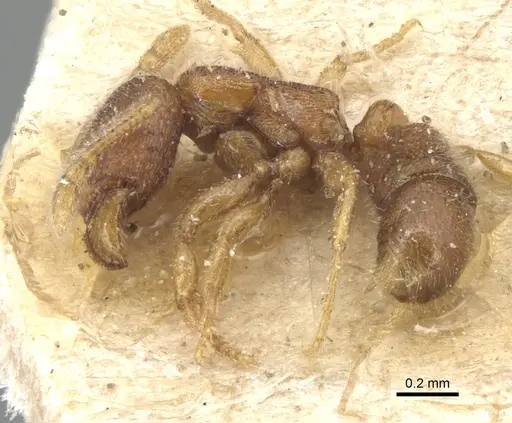
Holcoponera epinotalis is a small ant formerly classified as Gnamptogenys epinotalis. Workers have the typical Ectatomminae body plan - a distinct waist, powerful mandibles, and a functional sting used to inject neurotoxins. This species ranges from western Malaysia eastward through the Melanesian region, including the Solomon Islands and Philippines, inhabiting the vast tropical forests of South-East Asia . This ant is notoriously difficult to find in the wild due to its cryptic nesting habits - it hides in concealed microhabitats within the forest floor, making collection infrequent without specialized techniques . This secretive nature means specific care data is limited, and much of what we know is inferred from related species and general ant biology.
Quick Summary
- Difficulty: Unknown, likely Moderate to Hard
- Origin & Habitat: South-East Asia and Melanesia: western Malaysia eastward through the Solomon Islands and Philippines. Inhabits tropical forest environments with cryptic nesting habits [1].
- Colony Type: Unconfirmed colony structure.
- Size & Growth:
- Queen: Size data unavailable, inferred from related Gnamptogenys species (~7-9mm)
- Worker: Size data unavailable, inferred from related species (~4-6mm)
- Colony: Likely up to 500 workers based on cryptic nesting habits
- Growth: Unknown, likely moderate
- Development: Estimated 6-10 weeks based on typical Ponerine development (Development time is inferred from related ant species, specific data for this species is unavailable)
- Antkeeping:
- Temperature: Keep at 24-28°C. Tropical species requiring warm, stable conditions. A heating cable on one side of the nest can create a gentle gradient.
- Humidity: High humidity (70-85%) mimicking tropical forest floor conditions. Keep substrate consistently moist but not waterlogged.
- Diapause: Likely no true diapause given tropical distribution. May show reduced activity during cooler periods.
- Nesting: Cryptic nester in nature, likely nests in hidden locations like under logs, in rotting wood, or in soil crevices. In captivity, a Y-tong (AAC) nest or plaster nest with narrow chambers works well. Provide dark, concealed nesting areas.
- Behavior: Secretive and cryptic by nature. Predatory like other Ectatomminae ants, using their sting to subdue prey. Probably not aggressive toward humans but will use their sting if threatened. Escape risk is moderate, standard barrier methods (Fluon) should suffice. Activity level is likely low to moderate, they are not overly active foragers.
- Common Issues: cryptic nature makes them difficult to observe and study, limited availability in the antkeeping hobby, specific humidity and temperature requirements may be challenging to maintain, slow colony growth can test keeper patience, wild-caught colonies may have parasites due to their hidden nesting habits
Housing and Nest Preferences
Holcoponera epinotalis is a cryptic nester that naturally hides in concealed locations within tropical forests, under logs, in rotting wood, or within soil crevices [1]. For captivity, Y-tong (AAC) nests or plaster nests with narrow, dark chambers work well. The key is providing hidden, enclosed spaces that mimic their natural tendency to stay concealed. Avoid open, bright nesting areas, they will likely choose the darkest corners of their enclosure. A naturalistic setup with flat stones over moist substrate can also work, giving them the dark, humid hiding spots they prefer.
Feeding and Diet
As an Ectatomminae ant, Holcoponera epinotalis is likely predatory, feeding on small invertebrates like springtails, isopods, and other micro-arthropods found on the forest floor. Offer small live prey items such as fruit flies, pinhead crickets, and small worms. Sugar sources like honey water or sugar water may be accepted but should not be the primary food source. Feed protein prey 2-3 times per week and provide sugar water continuously. Remove uneaten prey after 24 hours to prevent mold.
Temperature and Humidity
Being a tropical species from South-East Asia and Melanesia, these ants require warm and humid conditions. Maintain temperatures between 24-28°C, use a heating cable on one side of the nest to create a gentle gradient if your room temperature is below this range. Humidity should be high at 70-85%. Keep the nest substrate consistently moist but not waterlogged. A water reservoir connected to the nest helps maintain humidity. Monitor condensation levels as an indicator of proper humidity. Avoid temperature fluctuations and dry conditions.
Colony Development
Colony growth is likely moderate rather than fast. Founding queens probably seal themselves in a claustral chamber and raise the first workers alone, living off stored fat reserves, this is typical for many ant species. The first workers (nanitics) will be smaller than mature workers. Expect 6-10 weeks from egg to first worker based on related species. Colonies likely remain small to moderate in size, potentially reaching up to 500 workers at maturity. Patience is essential, this species is not a fast-growing ant.
Behavior and Temperament
This is a secretive, cryptic species that prefers to stay hidden. Workers are not particularly aggressive but possess a functional sting for defense. They are unlikely to be escape artists given their cryptic nature, but standard barrier methods like Fluon on test tube rims are still recommended. Activity levels are probably low to moderate, they are not prolific foragers. They will likely spend most of their time within the nest chambers. Observation may be limited compared to more visible ant species.
Frequently Asked Questions
How long does it take for Holcoponera epinotalis to produce first workers?
Expect 6-10 weeks from egg to first worker based on typical ant development patterns. This is an estimate since specific development data for this species is not available.
What do Holcoponera epinotalis ants eat?
They are likely predatory like other Ectatomminae ants. Feed small live prey such as springtails, fruit flies, pinhead crickets, and small worms. Sugar water or honey water may be accepted as a supplementary energy source.
Do Holcoponera epinotalis ants sting?
Yes, as Ectatomminae ants they have a functional sting. However, they are cryptic and secretive, so stings are unlikely unless directly handled or threatened.
What temperature do Holcoponera epinotalis ants need?
Keep them at 24-28°C. This tropical species requires warm, stable conditions. A heating cable on one side of the nest can help maintain proper temperature.
Are Holcoponera epinotalis ants good for beginners?
This species is not ideal for beginners due to its cryptic nature, specific humidity requirements, and limited availability. The difficulty level is likely Moderate to Hard, and they are better suited for keepers with some ant-keeping experience.
How big do Holcoponera epinotalis colonies get?
Colonies likely reach up to 500 workers at maturity. They are not large colony formers, which aligns with their cryptic, secretive nesting habits.
What type of nest is best for Holcoponera epinotalis?
Y-tong (AAC) nests or plaster nests with narrow, dark chambers work best. Provide concealed nesting areas that mimic their natural hidden habitats. Avoid bright, open nesting spaces.
Do Holcoponera epinotalis ants need hibernation?
Likely no true hibernation is needed due to their tropical distribution. They may show reduced activity during cooler periods, but a full diapause is not required.
Can I keep multiple Holcoponera epinotalis queens together?
Colony structure is unconfirmed for this species. Based on typical ant patterns, single-queen colonies are likely. Combining unrelated queens is not recommended without documented evidence of polygyny.
Why are my Holcoponera epinotalis ants dying?
Common causes include: incorrect humidity (too dry), temperature stress (too cold or temperature fluctuations), poor escape prevention allowing escapes, or stress from excessive disturbance. Their cryptic nature means they are sensitive to nest disruptions.
Report an Issue
The current care sheet is based fully on literature. See inconsistencies, or something that's incorrect? Please , it will be resolved after review from an admin. Contributing to the blogs tab also helps providing information, to make us be able to further improve the caresheets. Thank you for your support!
References

Dieses Caresheet ist lizenziert unter CC BY-SA 4.0 .
Community-Blogs
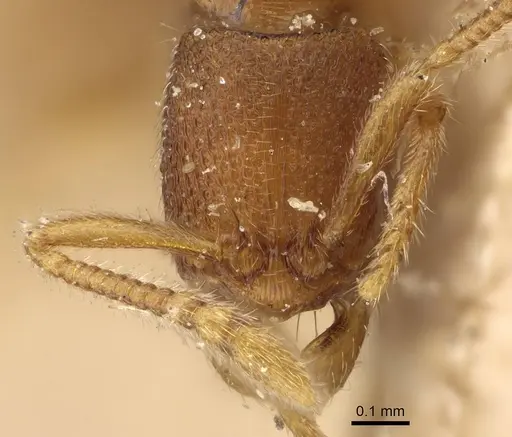
CASENT0903810
Auf AntWeb ansehen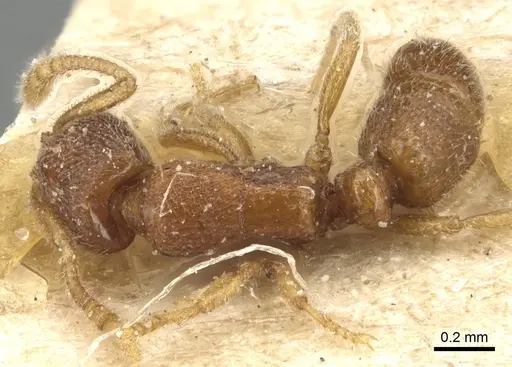
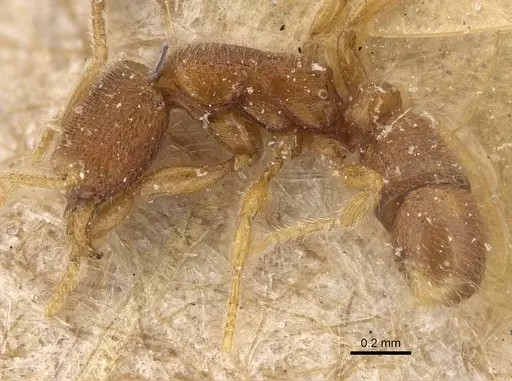
CASENT0922421
Auf AntWeb ansehen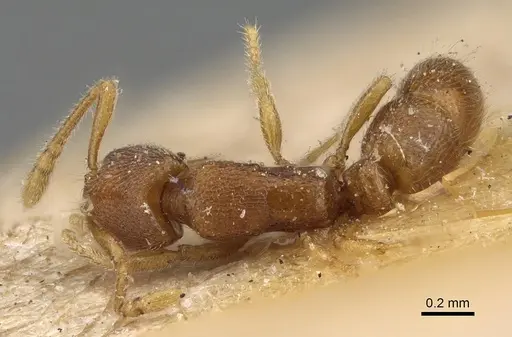
Literatur
Verbreitungskarte wird geladen...Produkte werden geladen...