
Dorylus moestus
- Wiss. Name
- Dorylus moestus
- Unterfamilie
- Dorylinae
- Autor
- Emery, 1895
- Verbreitung
- In 0 Ländern gefunden
Einleitung
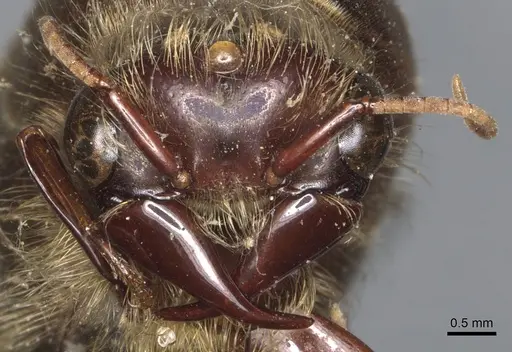
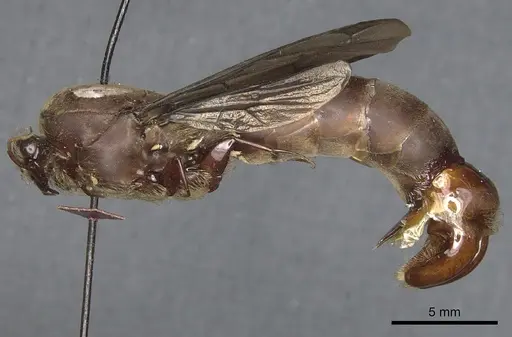
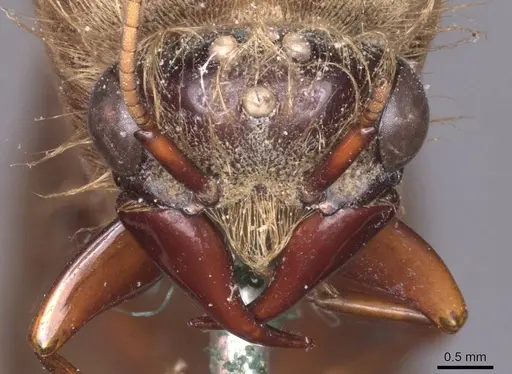
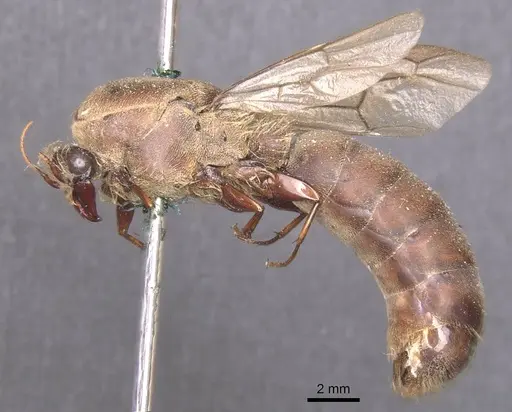
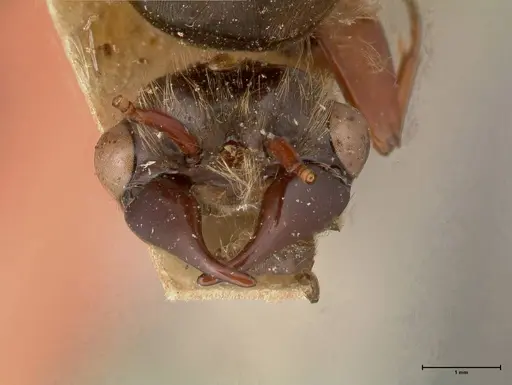
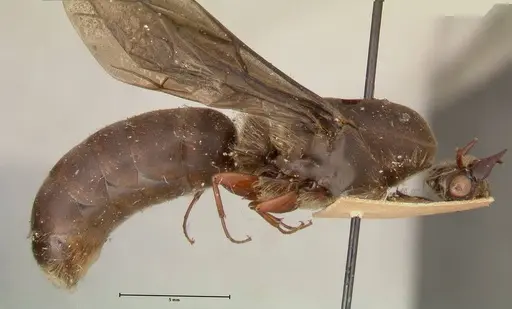
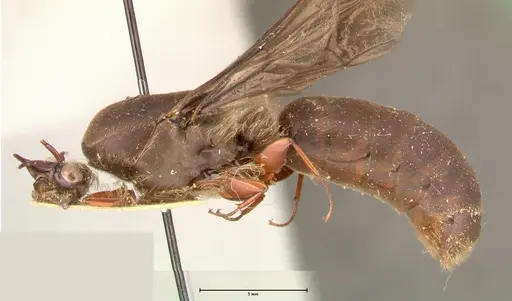
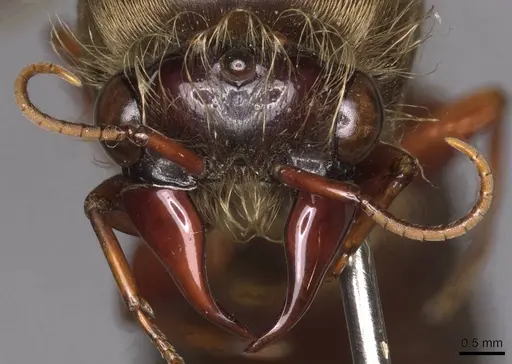
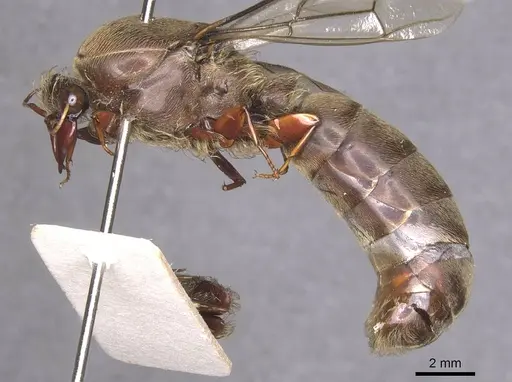
Dorylus moestus is an army ant species from the Dorylinae subfamily, found across West and Central Africa including the Democratic Republic of Congo, Guinea, Ivory Coast, Kenya, Liberia, and Rwanda . Originally described as a variety of Dorylus affinis in 1895, it was later elevated to full species status and currently includes three recognized subspecies: Dorylus moestus claripennis, Dorylus moestus morio, and Dorylus moestus schereri [AntWiki]. Workers are robust with distinctive features including a relatively narrow head, dull eyes with small distinct facets, and mandibles that narrow toward the tip . As an army ant, this species exhibits the classic army ant lifestyle of coordinated raiding swarms and nomadic colony movement, making them fascinating but challenging to keep in captivity.
Quick Summary
- Difficulty: Expert
- Origin & Habitat: West and Central Africa, Democratic Republic of Congo, Guinea, Ivory Coast, Kenya, Liberia, Rwanda. Found in tropical forest environments in the Afrotropical region [3][1].
- Colony Type: Army ant colonies are among the largest in the ant world, with colonies potentially reaching hundreds of thousands of individuals. Dorylus colonies are led by a single massive dichthadiform (wingless) queen that remains permanently in the nest [3].
- Size & Growth:
- Queen: Large dichthadiform queen, exact measurements unconfirmed for this specific species but Dorylus queens are among the largest of all ants, often exceeding 30mm [3]
- Worker: Size data unavailable, the context provides head measurements (approximately 3.2mm wide) but not total body length for this species [4]
- Colony: Extremely large colonies, Dorylus colonies can reach hundreds of thousands of workers [3]
- Growth: Fast, army ant colonies grow rapidly when well-fed
- Development: Development timeline unconfirmed for this species. Army ant development is typically temperature-dependent, with warmer conditions accelerating growth. (Colony growth is continuous rather than cyclical in optimal conditions.)
- Antkeeping:
- Temperature: Keep at 24-28°C with a gradient. Army ants are tropical species requiring warm, stable temperatures [3]. A heating cable on one side of the enclosure helps maintain warmth.
- Humidity: High humidity of 70-85% is essential. Army ants naturally inhabit humid tropical environments. Keep substrate consistently moist but not waterlogged.
- Diapause: No, as a tropical species, Dorylus moestus does not require hibernation. Maintain consistent temperatures year-round [3].
- Nesting: Army ants do not build permanent nests. In captivity, they require a spacious outworld with multiple hiding spots and a humid chamber. Provide a dark nesting area that can be moved periodically to simulate their nomadic lifestyle.
- Behavior: Dorylus moestus is a highly aggressive raiding species. Workers hunt cooperatively in swarms, overwhelming prey through sheer numbers. They are primarily nocturnal or crepuscular, with raiding parties emerging at night. Major workers serve as soldiers, defending the colony with their powerful mandibles. Escape prevention is critical, army ants are excellent climbers and will exploit any gap. They are predatory and require live prey, sugar sources are typically not accepted. The colony moves frequently, abandoning their nest chamber every few days to weeks.
- Common Issues: Very large colony sizes make housing difficult, they need expansive enclosures., Predatory diet requires constant live prey, which can be expensive and time-consuming to provide., Nomadic behavior means they will constantly try to move their nest site, requiring keeper intervention., Escape prevention is critical, army ants can squeeze through small gaps and climb smooth surfaces., Stress from captivity can cause colony decline, they are not suited for beginners.
Housing and Enclosure Setup
Dorylus moestus requires significantly different housing than typical ants. Because army ants are nomadic and do not build permanent nests, you will need a spacious outworld with a removable nest chamber. Use a large plastic or glass terrarium with smooth walls to prevent climbing escape. Provide a dark nesting area using PVC pipes, flower pots, or custom chambers filled with moist substrate. The enclosure must have excellent escape prevention, apply fluon to all interior surfaces and use tight-fitting lids. You will need to move the nest site every 1-2 weeks to simulate their natural nomadic behavior. Multiple feeding stations help distribute prey and reduce competition at food sites. [3]
Feeding and Diet
Dorylus moestus is strictly predatory and requires live prey to thrive. They do not accept sugar water, honey, or other carbohydrates. Feed a variety of live insects including crickets, mealworms, roaches, and other arthropods. The quantity should match the colony size, a large colony may consume hundreds of insects weekly. Prey should be killed before feeding if the colony is small, large colonies can tackle live prey. Remove uneaten prey after 24-48 hours to prevent mold. Some keepers report success with pre-killed frozen insects, but live prey produces better results. Feed more heavily during periods of rapid growth. [3]
Temperature and Humidity Control
Maintain temperatures between 24-28°C using a heating cable or mat placed on one side of the enclosure to create a gradient. Do not place heating directly on the nest as it can dry out the colony. Room temperature may suffice in warm homes but monitor with a thermometer. Humidity should remain high at 70-85%, use a moisture reservoir or mist regularly. The substrate should feel damp but never waterlogged. Provide a water sponge or bottle cap for drinking water. Avoid temperature fluctuations and drafts. Consistent conditions are essential for colony health. [3]
Colony Dynamics and Behavior
Dorylus moestus exhibits classic army ant behavior including coordinated raiding swarms, colony emigration, and massive worker numbers. The queen is permanently wingless (dichthadiform) and rarely leaves the nest chamber. Workers are polymorphic with major soldiers having enlarged heads and mandibles for defense. The colony operates on a cycle of stationary phases (bivouac) followed by nomadic phases when they relocate. During raids, columns of workers fan out to overwhelm prey. They are primarily nocturnal, with most activity occurring at night or in dim light. This species is not suitable for observation-focused setups as they prefer dark, concealed spaces. [3]
Legal and Ethical Considerations
Before acquiring Dorylus moestus, verify that keeping this species is legal in your jurisdiction. Some countries regulate or prohibit keeping native or introduced ant species. Never release Dorylus moestus in non-native regions, they are aggressive predators that could disrupt local ecosystems. Army ants are specialist predators and unlikely to establish in temperate regions, but caution is still warranted. Source your colony from reputable breeders rather than collecting from the wild.
Frequently Asked Questions
Can I keep Dorylus moestus in a test tube?
No. Dorylus moestus requires much larger housing than test tubes can provide. Their massive colony sizes and nomadic behavior demand a spacious terrarium or custom formicarium with multiple chambers and the ability to relocate the nest periodically.
How long does it take for Dorylus moestus to produce first workers?
Development timeline is unconfirmed for this specific species. A newly mated queen will take several weeks to raise the first brood alone in a claustral chamber before workers emerge. Exact timing depends on temperature and feeding conditions.
Do Dorylus moestus ants sting?
Yes, Dorylus workers can sting, and their stings can be painful. Major soldiers have powerful mandibles that can deliver painful bites. Handle with extreme caution and avoid direct contact.
Can I keep multiple queens together in one colony?
No. Dorylus moestus colonies typically have a single queen. Introducing additional queens will result in fighting. Only one queen should be kept per colony.
What do Dorylus moestus eat?
They are strictly predatory and require live prey. Feed live insects such as crickets, mealworms, roaches, and other arthropods. They do not accept sugar water, honey, or fruits. Prey should be appropriately sized to the worker caste.
Are Dorylus moestus good for beginners?
No. This species is rated Expert difficulty. Their requirements for live prey, large enclosures, high humidity, and nomadic behavior make them unsuitable for beginner antkeepers. They require significant time and financial investment.
Do Dorylus moestus need hibernation?
No. As a tropical African species, they do not require hibernation or winter cooling. Maintain consistent warm temperatures (24-28°C) year-round.
How big do Dorylus moestus colonies get?
Extremely large. Dorylus colonies can reach hundreds of thousands of workers. This is one of the most significant challenges in keeping them, you must be prepared to house and feed a massive colony.
Why does my Dorylus moestus colony keep moving?
This is normal army ant behavior. Dorylus species are nomadic and regularly relocate their bivouac. In captivity, you should manually move the nest chamber every 1-2 weeks to prevent the colony from abandoning their setup entirely.
When should I move Dorylus moestus to a formicarium?
You should start them in a claustral setup (small container with moist substrate) for the founding phase. Once the first workers emerge, gradually transition to a larger outworld. However, unlike typical ants, army ants benefit from simple setups they can easily abandon and relocate.
How often should I feed Dorylus moestus?
Feed every 2-3 days for established colonies, adjusting based on colony size and consumption. Large colonies may need daily feeding. Always provide fresh prey and remove uneaten insects within 24-48 hours.
Report an Issue
The current care sheet is based fully on literature. See inconsistencies, or something that's incorrect? Please , it will be resolved after review from an admin. Contributing to the blogs tab also helps providing information, to make us be able to further improve the caresheets. Thank you for your support!
References

Dieses Caresheet ist lizenziert unter CC BY-SA 4.0 .
Community-Blogs
CASENT0903705
Auf AntWeb ansehen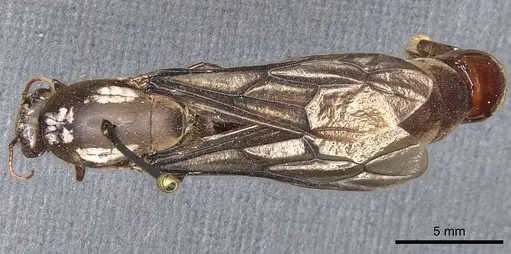
CASENT0911339
Auf AntWeb ansehen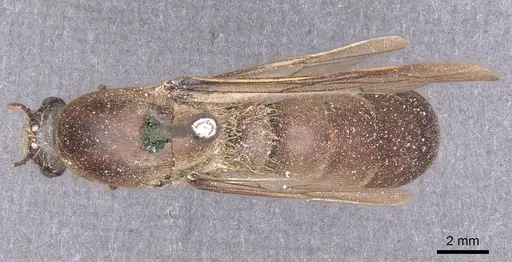
FOCOL0587
Auf AntWeb ansehen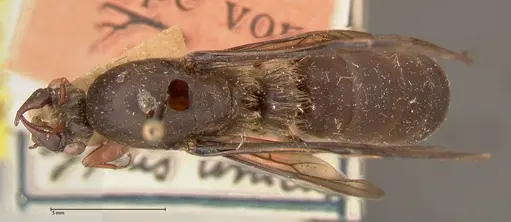
RMCAENT000017705
Auf AntWeb ansehen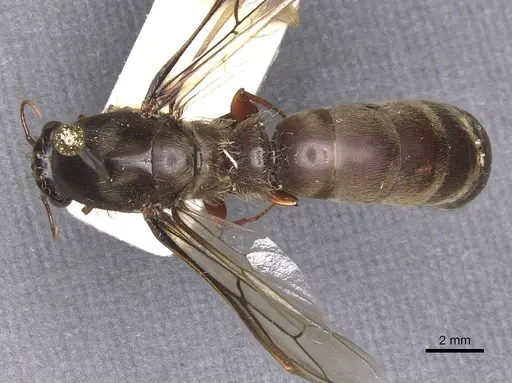
Literatur
Verbreitungskarte wird geladen...Produkte werden geladen...