
Dorylus acutus
- Wiss. Name
- Dorylus acutus
- Unterfamilie
- Dorylinae
- Autor
- Santschi, 1937
- Verbreitung
- In 0 Ländern gefunden
Einleitung
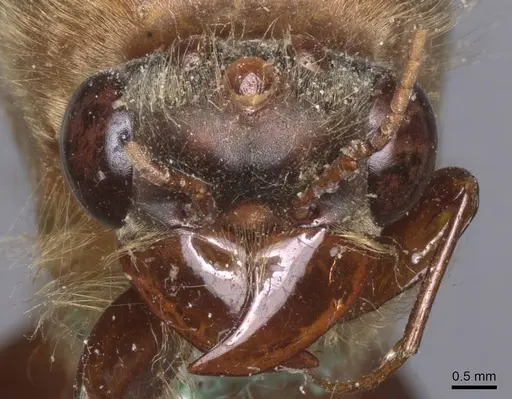
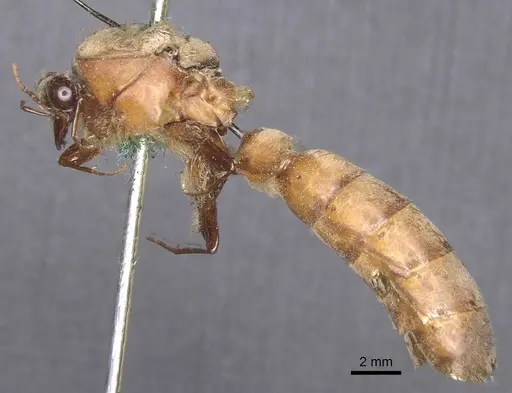
Dorylus acutus is a species of army ant endemic to the Democratic Republic of Congo, where it belongs to the Dorylus orientalis species group . This African army ant is known primarily from male specimens collected in the Congo region . Like all Dorylus species, workers are typically blind or nearly so, relying on chemical trails and collective raiding behavior to capture prey. The genus Dorylus contains some of the most famous army ants in the world, known for their massive colonies and nomadic lifestyle with no permanent nest. Dorylus acutus represents one of the lesser-documented species within this genus, with most available information derived from the original species description and limited regional surveys.
Quick Summary
- Difficulty: Expert
- Origin & Habitat: Democratic Republic of Congo (endemic) [1]. In their natural habitat, Dorylus army ants inhabit tropical forest and savanna regions where they create temporary bivouacs during their nomadic phase. They are predatory ants that raid other ant colonies and ground-dwelling insects.
- Colony Type: Army ant colony structure, large colonies with nomadic lifestyle. Dorylus colonies are known to be polydomous (spread across multiple temporary sites) during nomadic phases.
- Size & Growth:
- Queen: size data unavailable, inferred from Dorylus genus patterns (~15-25mm)
- Worker: size data unavailable, inferred from Dorylus genus patterns (~2-6mm, polymorphic with major and minor castes)
- Colony: up to millions of workers based on typical Dorylus colony sizes
- Growth: Fast, army ant colonies grow rapidly when well-fed
- Development: estimated 3-5 weeks at tropical temperatures (25-30°C) based on genus patterns for Dorylus (Army ant development is typically very fast compared to most ants, supporting their nomadic lifestyle)
- Antkeeping:
- Temperature: Keep at 25-30°C (tropical warmth). Army ants are adapted to consistently warm conditions. A heating cable on one side of the outworld can help maintain these temperatures.
- Humidity: Moderate to high humidity (60-80%). These ants come from tropical regions with ambient moisture. Keep the outworld substrate lightly moist but not waterlogged.
- Diapause: No, Dorylus species are tropical and do not require hibernation. They remain active year-round if kept warm.
- Nesting: Army ants do not nest in traditional ant nests. In captivity, they require a large outworld space with minimal nest structure. Provide dark, humid chambers for the queen but allow the colony to form a bivouac-style cluster. A naturalistic setup with substrate they can tunnel through works best.
- Behavior: Dorylus acutus is an army ant with typical Dorylus behavior, predatory, nocturnal or crepuscular raiding, and nomadic. Workers are blind and follow pheromone trails. Colonies will aggressively raid other ant colonies and capture insects. They have a potent sting and should be handled with extreme caution. Escape prevention is critical, these ants are excellent climbers and will exploit any gap. Their small worker size means they can squeeze through surprisingly small openings.
- Common Issues: massive colony size makes them difficult to house long-term, they outgrow most formicaria quickly, predatory nature means they require constant live prey, feeding costs can be significant, no permanent nest means setup is unconventional compared to typical ant species, tropical requirements mean any temperature drop can stress or kill the colony, expert-level species, not suitable for beginners due to specialized needs, very limited species-specific information makes care partly experimental
Understanding Dorylus Army Ants
Dorylus is one of the most distinctive ant genera in the world, known for their army ant lifestyle. Unlike most ants that build permanent nests, army ants are nomadic, they move their colony to new locations every few weeks, forming temporary bivouacs from their own bodies. This lifestyle supports their predatory behavior, as they constantly raid new territory for food. Dorylus acutus, endemic to the Democratic Republic of Congo, belongs to the orientalis species group and represents one of the lesser-studied members of this already specialized genus. The species was originally described as a subspecies of Dorylus diadema and was later elevated to full species status [3]. The limited documentation for this specific species means much of what we know about its care must be inferred from general Dorylus biology.
Housing Army Ants in Captivity
Housing Dorylus acutus requires a completely different approach than typical ant species. These are not ants that will settle into a formicarium and stay put. Instead, you need to create an environment that mimics their natural bivouac behavior. Provide a large outworld with dark, humid resting areas where the colony can cluster. The queen should be in a dark chamber with high humidity, but allow workers to move freely between chambers. Avoid traditional nests with fixed tunnels, army ants need open space to form their characteristic clusters. Use a naturalistic setup with substrate they can tunnel through for temporary shelter. The key is providing enough space for the colony to spread out while maintaining humid, dark conditions for the queen and brood.
Feeding and Predatory Behavior
Dorylus acutus is a strict predator, like all army ants. In the wild, they raid other ant colonies and capture any insects they encounter. In captivity, you must provide regular live prey, this is not optional. Suitable prey includes crickets, mealworms, roaches, and other insects appropriate to the colony size. For raiding behavior to occur, scatter prey throughout the outworld so workers can organize hunting runs. Some colonies will accept protein jelly or frozen insects, but live prey triggers their natural raiding instincts. Feed small prey to minor workers and larger prey to majors. A well-fed army ant colony will show characteristic raiding behavior with columns of workers moving purposefully through the outworld.
Temperature and Climate Requirements
As a tropical species from the Democratic Republic of Congo, Dorylus acutus requires warm, stable temperatures. Maintain the nest area at 25-30°C with minimal fluctuation. Room temperature is likely insufficient unless you live in a very warm climate. Use a heating cable on one side of the enclosure to create a gentle temperature gradient, allowing the colony to self-regulate by moving between warmer and cooler areas. Place the heating element on top of any nest chambers, not underneath, to prevent drying out the substrate. Cold temperatures will quickly stress or kill these ants, they have no adaptation to cool conditions. Monitor with a thermometer and adjust heating as needed.
Colony Growth and Development
Army ant colonies grow differently than typical ant colonies. Instead of gradual growth, they can experience explosive population increases when food is abundant. The colony will have multiple size castes, small minors for detailed work and large majors for defense and heavy prey transport. Development from egg to worker is relatively fast compared to most ants, likely 3-5 weeks at optimal temperatures, supporting their nomadic lifestyle. The first workers (nanitics) will be smaller but the colony should quickly produce normal-sized workers. A healthy Dorylus colony can eventually reach into the hundreds of thousands or even millions of workers, this means you must plan for escalating space and food requirements.
Frequently Asked Questions
Can I keep Dorylus acutus in a test tube?
No, Dorylus acutus cannot be kept in a test tube. This is an army ant that requires open space to form bivouac clusters. A test tube would be completely unsuitable and the colony would die. You need a large naturalistic setup with substrate and dark resting chambers.
How long does it take for Dorylus acutus to produce first workers?
Based on typical Dorylus development patterns, expect first workers (nanitics) approximately 3-5 weeks after the queen lays eggs, provided temperatures are maintained at 25-30°C. Army ant development is faster than most ant species.
Do Dorylus acutus ants sting?
Yes, Dorylus ants have a potent sting and should be handled with extreme caution. Their sting can cause significant pain and allergic reactions in some people. Avoid handling these ants directly.
Are Dorylus acutus good for beginners?
No, Dorylus acutus is absolutely not suitable for beginners. This is an expert-level species requiring specialized housing (no traditional nests), constant live prey, warm temperatures, and the ability to house massive colonies. Most antkeepers cannot meet their needs long-term.
What do Dorylus acutus eat?
Dorylus acutus is strictly predatory and requires live prey. Feed them crickets, mealworms, roaches, and other insects. Some colonies may accept frozen or pre-killed prey, but live prey triggers natural raiding behavior. They do not eat sugar or honey, they are pure predators.
How big do Dorylus acutus colonies get?
Dorylus colonies can reach into the hundreds of thousands to millions of workers. This is one of the most challenging aspects of keeping them, they quickly outgrow standard enclosures and require significant space and food resources.
Do Dorylus acutus need hibernation?
No, Dorylus acutus does not need hibernation. They are tropical ants from the Democratic Republic of Congo and should be kept warm year-round at 25-30°C. Hibernation would be fatal.
Can I keep multiple queens together in a Dorylus acutus colony?
Dorylus colonies can potentially have multiple queens in the wild, but combining unrelated foundress queens in captivity is risky and has not been specifically documented for this species. It is not recommended.
Why is Dorylus acutus so difficult to keep?
Dorylus acutus is difficult because they require no traditional nest, massive space as they grow, constant live prey (expensive and time-consuming), tropical temperatures, and they are not suited to typical ant-keeping setups. They are nomadic army ants, not typical ants.
Is Dorylus acutus aggressive?
Yes, Dorylus acutus is highly aggressive, as all army ants are. They will attack anything that moves near their colony and have a potent sting. They should be housed in secure enclosures with excellent escape prevention.
Report an Issue
The current care sheet is based fully on literature. See inconsistencies, or something that's incorrect? Please , it will be resolved after review from an admin. Contributing to the blogs tab also helps providing information, to make us be able to further improve the caresheets. Thank you for your support!
References

Dieses Caresheet ist lizenziert unter CC BY-SA 4.0 .
Community-Blogs
CASENT0911275
Auf AntWeb ansehen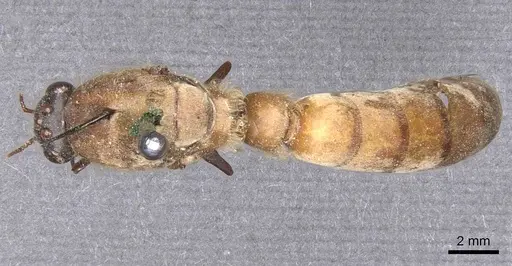
Literatur
Verbreitungskarte wird geladen...Produkte werden geladen...