
Dolichoderus mesonotalis
- Wiss. Name
- Dolichoderus mesonotalis
- Tribus
- Dolichoderini
- Unterfamilie
- Dolichoderinae
- Autor
- Forel, 1907
- Verbreitung
- In 1 Ländern gefunden
Einleitung
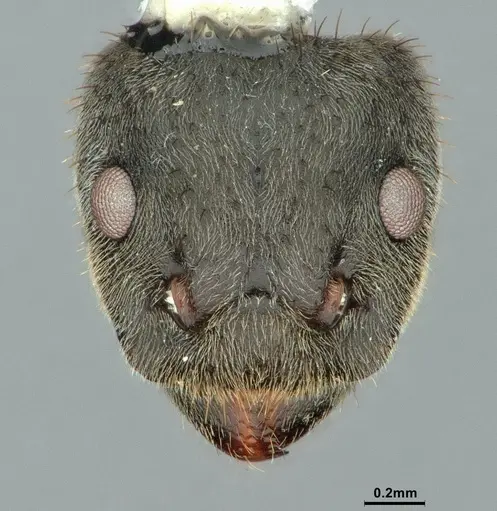
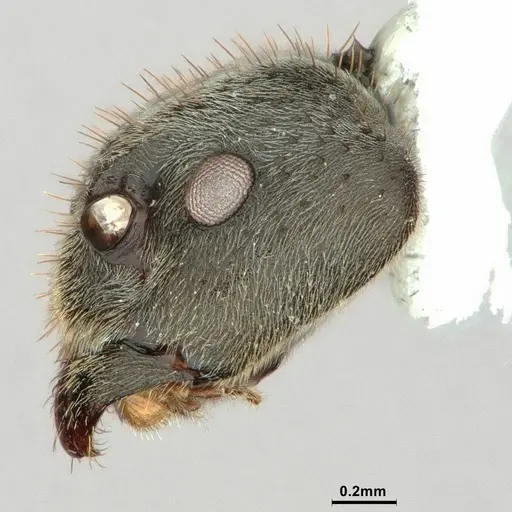
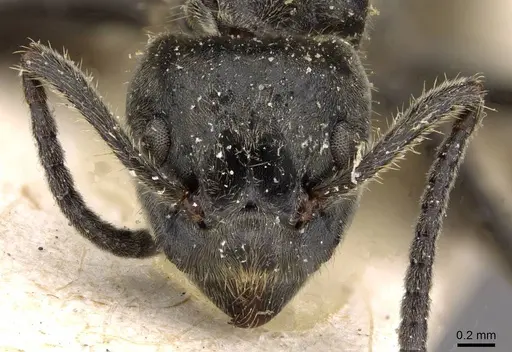
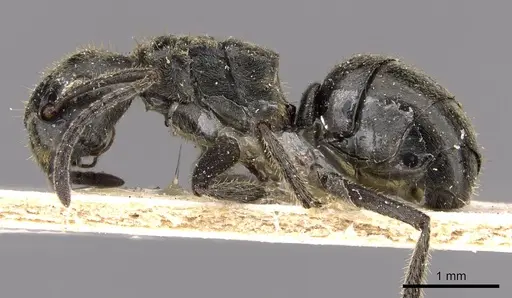
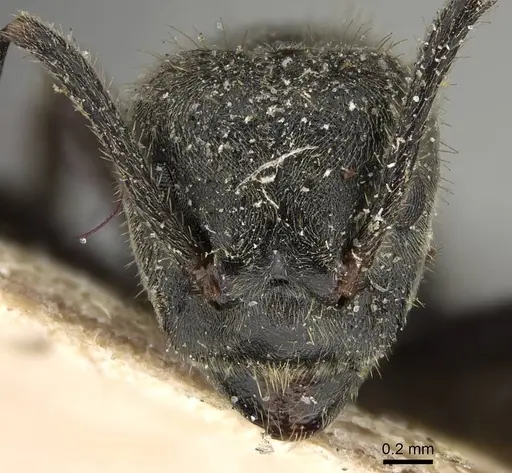
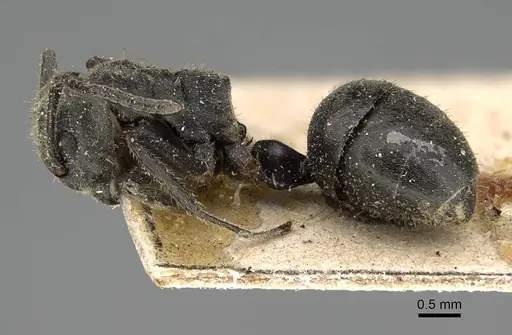
Dolichoderus mesonotalis is a Neotropical ant species native to Brazil and Peru . Workers are dark in color with a distinctive two-segmented petiole (the narrow waist between thorax and abdomen). The genus Dolichoderus is known for their arboreal lifestyle, nesting in tree hollows, under bark, or in rotting wood in tropical forests. This species remains poorly studied in the scientific literature, with limited information available about its specific biology or colony structure. What we know comes primarily from taxonomic descriptions and distribution records from Peru and Brazil.
Quick Summary
- Difficulty: Medium
- Origin & Habitat: Native to the Neotropical region, specifically Brazil and Peru. Found in tropical forest habitats where they typically nest in arboreal locations like tree hollows or under loose bark.
- Colony Type: Colony structure is unconfirmed for this species. Based on typical Dolichoderus patterns, likely single-queen colonies, but this has not been directly documented.
- Size & Growth:
- Queen: Size data unavailable for this species. Based on typical Dolichoderus genus patterns, queens likely measure approximately 6-9 mm.
- Worker: Size data unavailable for this species. Based on typical Dolichoderus genus patterns, workers likely measure approximately 3-6 mm.
- Colony: Unknown, no colony size data available for this species.
- Growth: Unknown, no development data exists for this species.
- Development: Unknown, no specific development data exists for this species. (Temperature will significantly impact development speed, warmer conditions within the acceptable range will speed development.)
- Antkeeping:
- Temperature: Keep at 24-28°C. As a tropical species from Brazil and Peru, they need warm, stable temperatures. A heating cable on one side of the nest creates a gentle gradient allowing workers to self-regulate.
- Humidity: Maintain moderate to high humidity around 70-80%. These are tropical forest ants that prefer damp conditions. Keep the nest substrate consistently moist but not waterlogged. Provide a water source like a test tube with a cotton plug.
- Diapause: No, as a tropical species from Brazil and Peru, they do not experience cold winters and do not require a hibernation period. Keep temperatures stable year-round.
- Nesting: Arboreal nesting preferences, they do well in naturalistic setups with vertical space, cork bark, or wooden structures that mimic their natural tree-nesting habitat. Y-tong (AAC) nests or plaster nests with added vertical elements work well. Avoid fully horizontal underground-style setups.
- Behavior: Generally calm and non-aggressive, but will defend their nest vigorously if threatened. Like other Dolichoderus species, they can emit a foul-smelling chemical from their anal gland as a defense mechanism, this is where they get the common name 'odorous ant'. They are active foragers that search for honeydew and small prey. Escape risk is moderate, they are not particularly small but are agile climbers. Ensure formicarium barriers are secure.
- Common Issues: Limited species-specific information makes care recommendations somewhat speculative, be prepared to adjust conditions based on colony behavior., Tropical humidity requirements can lead to mold problems if ventilation is inadequate, balance humidity with airflow., As an arboreal species, they may not accept horizontal test tube setups, provide vertical nesting options., Temperature drops below 22°C can slow activity and potentially stress colonies, maintain warmth., Wild-caught colonies may carry parasites or diseases that can cause colony failure in captivity.
Housing and Nest Setup
Dolichoderus mesonotalis is an arboreal species, meaning they naturally nest in elevated locations like tree hollows, under bark, or in rotting wood branches. In captivity, they do best in setups that reflect this preference. A naturalistic terrarium with cork bark, vertical wooden structures, or plant stems works well. Y-tong (AAC) nests can work if you add vertical elements or attach a foraging area with climbing structures. Avoid deep horizontal soil setups, these do not match their natural arboreal habitat. The outworld (foraging area) should have climbing surfaces so workers can patrol and forage normally. Test tubes can work for founding colonies if positioned horizontally, but provide some vertical structure within the formicarium as they expand.
Feeding and Diet
Like other Dolichoderus species, these ants are omnivorous with a preference for sweet liquids. Feed them sugar water, honey, or diluted honeydew regularly, this should be available at all times. For protein, offer small insects like fruit flies, small crickets, or mealworms. They are active foragers and will hunt small prey. In a naturalistic setup, they may tend aphids or scale insects for honeydew. Feed protein sources 2-3 times per week, and keep sugar water available continuously. Remove uneaten prey after 24-48 hours to prevent mold.
Temperature and Seasonal Care
As a tropical species from Brazil and Peru, Dolichoderus mesonotalis needs warm conditions year-round. Keep the nest area at 24-28°C consistently. Temperature affects everything, below 22°C they become less active, and prolonged cold can be fatal. Use a heating cable or heat mat on one side of the nest to create a gentle gradient (warm side around 28°C, cooler side around 24°C). This lets workers move to their preferred temperature. Do not attempt hibernation or winter cooling, this species has no cold tolerance adaptation. Room temperature around 24-26°C is often suitable without additional heating in warm climates.
Behavior and Defense
Dolichoderus ants have a distinctive defense mechanism, when threatened, they can emit a foul-smelling chemical from their anal gland. This is where the common name 'odorous ant' comes from. The smell is often described as similar to rotten coconuts or vinegar. In captivity, you may notice this if you disturb the nest or handle them roughly. They are not aggressive toward keepers but will defend their colony if threatened. Workers are active and alert, patrolling their territory regularly. They are good climbers and will explore vertical surfaces in search of food.
Colony Development and Growth
No specific data exists for Dolichoderus mesonotalis colony development. Based on typical Dolichoderus patterns, a newly mated queen will seal herself into a small chamber and lay eggs after 1-2 weeks. Eggs develop through larval and pupal stages over the following weeks. First workers (nanitics) appear around 5-8 weeks under optimal warm conditions. These first workers are typically smaller than mature workers. Colony growth is moderate, expect several months to reach 50 workers, and over a year to reach several hundred. Growth rate depends heavily on temperature and feeding frequency.
Frequently Asked Questions
How long does it take for Dolichoderus mesonotalis to produce first workers?
No specific development data exists for this species. Based on typical Dolichoderus development patterns, expect first workers (nanitics) around 5-8 weeks after the queen lays eggs, assuming optimal temperatures of 24-28°C.
What do Dolichoderus mesonotalis ants eat?
They are omnivorous with a sweet tooth. Offer sugar water, honey, or honeydew constantly. For protein, feed small insects like fruit flies, pinhead crickets, or small mealworms 2-3 times per week.
Can I keep Dolichoderus mesonotalis in a test tube?
Test tubes can work for founding colonies if positioned horizontally, but this arboreal species prefers vertical structures. For established colonies, provide a naturalistic setup with cork bark, vertical wood, or a Y-tong nest with climbing structures.
Do Dolichoderus mesonotalis need hibernation?
No. As a tropical species from Brazil and Peru, they do not require hibernation. Keep them warm year-round at 24-28°C. Cold temperatures can stress or kill them.
Are Dolichoderus mesonotalis good for beginners?
This species is rated Medium difficulty. They are more challenging than common temperate species because they need constant warmth and humidity. However, they are not overly aggressive and have straightforward dietary needs. The main challenge is providing appropriate arboreal-style housing.
How big do Dolichoderus mesonotalis colonies get?
Colony size is not documented for this specific species. Based on related Dolichoderus species, they likely reach several hundred workers. They are not among the largest ant species.
What temperature is ideal for Dolichoderus mesonotalis?
Keep them at 24-28°C. Use a heating cable on one side of the nest to create a gradient, with the warm end around 28°C and cooler end around 24°C. This allows workers to regulate their temperature by moving between areas.
Why are my Dolichoderus mesonotalis dying?
Common causes include: temperatures below 22°C (tropical species are cold-sensitive), low humidity causing desiccation, mold from poor ventilation, or stress from too much disturbance. Check that your setup maintains warmth and humidity while allowing some airflow.
Report an Issue
The current care sheet is based fully on literature. See inconsistencies, or something that's incorrect? Please , it will be resolved after review from an admin. Contributing to the blogs tab also helps providing information, to make us be able to further improve the caresheets. Thank you for your support!
References

Dieses Caresheet ist lizenziert unter CC BY-SA 4.0 .
Community-Blogs
CASENT0249649
Auf AntWeb ansehen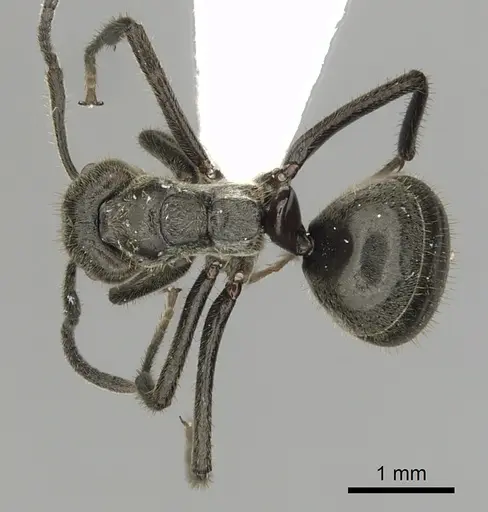
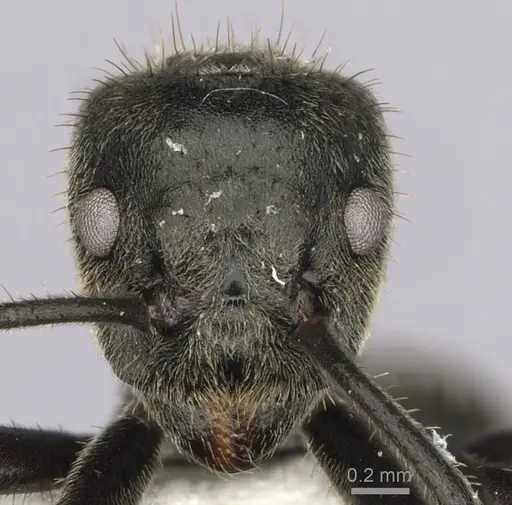
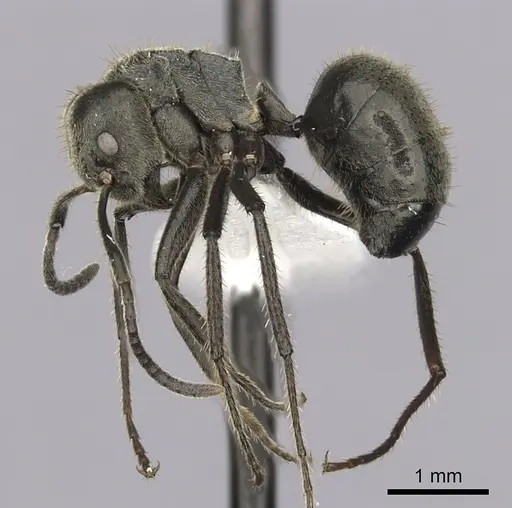
CASENT0886070
Auf AntWeb ansehen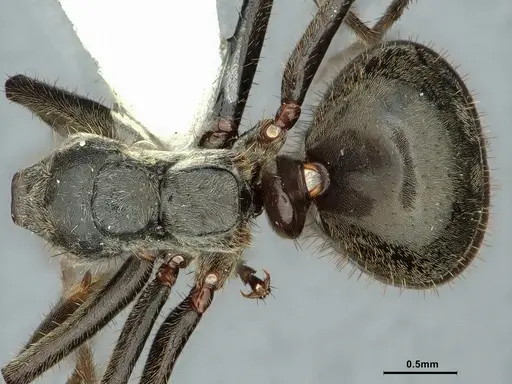
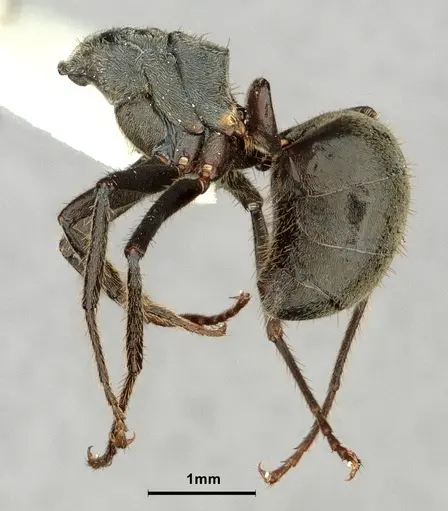
CASENT0909471
Auf AntWeb ansehen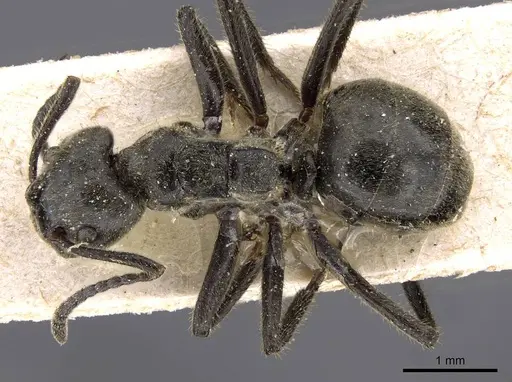
CASENT0922443
Auf AntWeb ansehen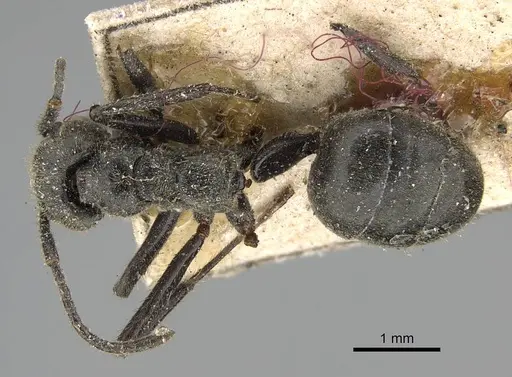
Literatur
Verbreitungskarte wird geladen...Produkte werden geladen...