
Dolichoderus lujae
- Wiss. Name
- Dolichoderus lujae
- Tribus
- Dolichoderini
- Unterfamilie
- Dolichoderinae
- Autor
- Santschi, 1923
- Verbreitung
- In 0 Ländern gefunden
Einleitung
Dolichoderus lujae is a small ant species native to the Amazon basin of South America. Workers are dark brown to black with a smooth, glossy body, characteristic of the Dolichoderus genus. The species was originally described from Brazil and later found to extend into Colombia's Amazon region, where it inhabits Bosque de Tierra Firme (upland forest) environments . As with all Dolichoderus ants, this species lacks a stinger but can spray formic acid as a defense mechanism when threatened. The species remains obscure in the antkeeping hobby due to limited distribution data and the challenges of maintaining Neotropical rainforest species in captivity.
Quick Summary
- Difficulty: Medium
- Origin & Habitat: Amazon basin in Brazil and Colombia. Found in Bosque de Tierra Firme (upland forest) environments, indicating preference for stable, humid forest floor conditions rather than seasonally flooded areas [1].
- Colony Type: Colony structure is unconfirmed for this specific species.
- Size & Growth:
- Queen: Size data unavailable, no specific measurements exist for this species
- Worker: Size data unavailable, no specific measurements exist for this species
- Colony: Unknown for this species, no colony size data is available
- Growth: Unknown
- Development: Unknown, no species-specific development data is available (Development timeline has not been studied for this species)
- Antkeeping:
- Temperature: Keep at 24-28°C. This is a tropical species from the Amazon, so warmth is essential for colony health and brood development. A heating cable on one side of the nest creates a temperature gradient allowing workers to self-regulate.
- Humidity: High humidity is critical, aim for 70-80% relative humidity. These ants come from constantly humid rainforest environments. Keep the nest substrate consistently moist but not waterlogged. Mist occasionally and ensure water is always available.
- Diapause: No, this is a tropical species that does not experience cold winters. Maintain warm conditions year-round.
- Nesting: In nature they likely nest in rotting wood, under bark, or in soil pockets in the forest floor. In captivity, a naturalistic setup with moist substrate (soil/peat mix) or a Y-tong/plaster nest works well. Provide damp conditions and avoid dry environments.
- Behavior: Generally less aggressive than some other Dolichoderus species, but will spray formic acid if threatened. Workers are active foragers, both on the ground and likely in lower vegetation. They tend to be moderately fast-moving and will readily explore their outworld for food. Escape prevention should be moderate, they are not tiny ants but can squeeze through small gaps if motivated. Close-fitting lids and standard barrier methods are usually sufficient.
- Common Issues: high humidity requirements make mold a constant threat, ensure adequate ventilation while maintaining moisture, tropical species will decline if temperatures drop below 22°C for extended periods, limited availability in the antkeeping hobby means established colonies are rare, wild-caught colonies may carry parasites or pathogens that can devastate captive colonies, formic acid spray can irritate skin and damage equipment, handle gently and avoid disturbing the nest
Housing and Nest Setup
Dolichoderus lujae requires a humid, warm environment that mimics Amazonian conditions. A naturalistic setup with a soil/peat substrate mixture works well, keep it consistently moist but never waterlogged. You can also use a Y-tong nest with a water reservoir, which makes humidity control easier. Place the nest in a warm area (24-28°C) and consider using a heating cable on one side if your room temperature runs cool. The outworld should be simple, a foraging area where you can offer food. Standard escape prevention with fluon on container edges is sufficient for this medium-sized species.
Feeding and Diet
Like most Dolichoderus species, D. lujae likely has an omnivorous diet. They probably feed on honeydew from aphids and scale insects in the wild, plus small insects and other protein sources. In captivity, offer sugar water or honey as a constant energy source. For protein, provide small insects like fruit flies, small crickets, or mealworm pieces. Feed protein 2-3 times per week and keep sugar sources available at all times. Remove uneaten food promptly to prevent mold in the humid environment.
Temperature and Seasonal Care
This is a strict tropical species, year-round warmth is essential. Keep temperatures between 24-28°C consistently. Unlike temperate species, they do not require hibernation or cooling periods. If temperatures drop below 22°C for extended periods, colonies will become sluggish and brood development may halt or fail. Monitor with a thermometer and be prepared to use heating equipment. The stable warmth of the Amazon rainforest should be your model, avoid drafts, air conditioning, and any cooling.
Behavior and Defense
Dolichoderus ants lack a stinger but possess a potent chemical defense: they can spray formic acid when threatened or disturbed. This spray can irritate skin and eyes, and can damage certain materials. When working with this species, move slowly and avoid poking into the nest. If you need to relocate or inspect the colony, do so gently. The formic acid spray is their primary defense, they are not particularly aggressive but will use this chemical weapon if they feel threatened. This is normal behavior and not a sign of an aggressive colony.
Frequently Asked Questions
How long does it take for Dolichoderus lujae to produce first workers?
This is unknown, no species-specific development data is available for this ant. For related Dolichoderus species in the Neotropics, development typically takes several months under optimal conditions, but exact timelines vary significantly between species.
Can I keep Dolichoderus lujae in a test tube setup?
A test tube setup can work for founding colonies, but you will need to monitor humidity closely. These ants need high humidity, and test tubes can dry out or flood. Many keepers transition to a naturalistic or Y-tong setup once the colony reaches 20-30 workers for easier humidity management.
What do Dolichoderus lujae eat?
They are omnivorous. Offer a constant sugar source (honey water or sugar water) and protein foods like small insects (fruit flies, small crickets, mealworm pieces) 2-3 times per week.
Are Dolichoderus lujae good for beginners?
This species is rated as medium difficulty. While not the hardest species, the high humidity requirements and need for constant warmth make it better suited for keepers who already have some experience maintaining tropical ant species.
Do Dolichoderus lujae need hibernation?
No. As a tropical Amazon species, they do not require hibernation. Keep them warm year-round at 24-28°C. Cold temperatures will harm the colony.
How big do Dolichoderus lujae colonies get?
Colony size data is not available for this specific species. They are not known for supercolony formation.
Why are my Dolichoderus lujae dying?
The most common causes are: temperatures below 22°C (tropical species are cold-sensitive), low humidity (they need 70-80%), or mold from overly wet conditions without ventilation. Check your temperature and humidity levels first. Also ensure food is not left to mold in the outworld.
Can I keep multiple queens together?
Colony social structure has not been documented for this specific species. If you obtain multiple founding queens, house them separately to avoid conflict.
When should I move my colony to a formicarium?
Move the colony when it reaches roughly 30-50 workers and the test tube or founding setup becomes cramped. A naturalistic setup with moist substrate works well for this species, or a Y-tong/plaster nest with humidity control.
Report an Issue
The current care sheet is based fully on literature. See inconsistencies, or something that's incorrect? Please , it will be resolved after review from an admin. Contributing to the blogs tab also helps providing information, to make us be able to further improve the caresheets. Thank you for your support!
References

Dieses Caresheet ist lizenziert unter CC BY-SA 4.0 .
Community-Blogs
CASENT0911508
Auf AntWeb ansehen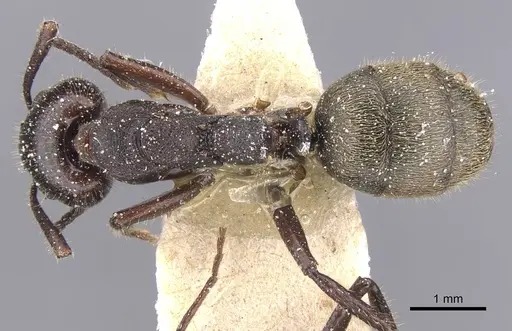
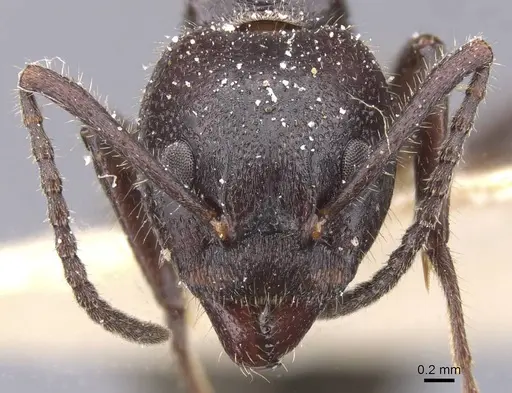
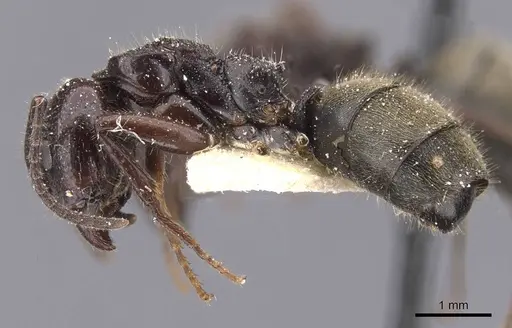
Literatur
Verbreitungskarte wird geladen...Produkte werden geladen...