
Dolichoderus burmanicus
- Wiss. Name
- Dolichoderus burmanicus
- Tribus
- Dolichoderini
- Unterfamilie
- Dolichoderinae
- Autor
- Bingham, 1903
- Verbreitung
- In 0 Ländern gefunden
Einleitung
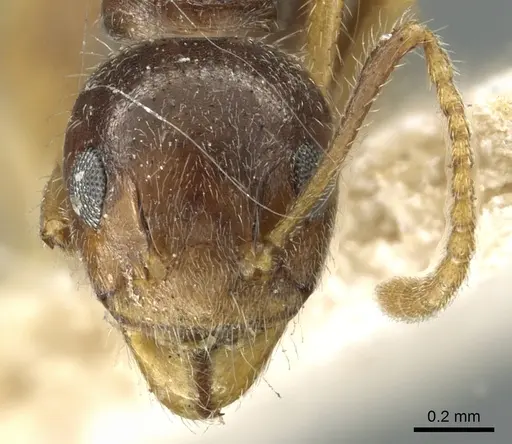
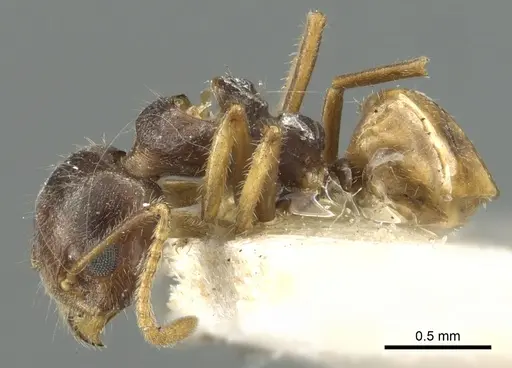
Dolichoderus burmanicus is a small to medium-sized ant species native to Myanmar in Southeast Asia. Workers are typically dark brown to black in color with the characteristic two-segmented petiole common to Dolichoderus ants . These ants build distinctive carton nest pavilions underneath the leaves of tropical plants like banana (Musa) and ginger family plants (Zingiberaceae), and they tend coccids for honeydew .
Quick Summary
- Difficulty: Medium
- Origin & Habitat: Myanmar (Southeast Asia), found in tropical forest environments where they nest under the leaves of banana and ginger family plants [1].
- Colony Type: Polygynous (multiple queens per colony) and polydomous (multiple connected nest sites). Colonies build carton nest pavilions under leaves containing brood and tended coccids (scale insects) [1].
- Size & Growth:
- Queen: ~8-10 mm, inferred from Dolichoderus genus patterns
- Worker: ~3-5 mm, inferred from Dolichoderus genus patterns
- Colony: Exact maximum colony size is unknown
- Growth: Moderate
- Development: Estimated 6-8 weeks at optimal temperatures [1] (Development time may vary with temperature and feeding)
- Antkeeping:
- Temperature: Keep warm around 24-28°C with a gentle heat gradient [1]
- Humidity: Keep nest substrate consistently moist but not waterlogged [1]
- Diapause: No, tropical species from Myanmar do not require hibernation [1]
- Nesting: Provide naturalistic setups with horizontal space for carton pavilions under leaves, Y-tong or moist substrate nests work well [1]
- Behavior: You'll find Dolichoderus burmanicus to be generally calm and not aggressive. Workers are active foragers that tend coccids for honeydew. They are skilled escape artists due to their small size, so fine mesh barriers are essential [1].
- Common Issues: escape prevention is critical due to small worker size, use fine mesh and tight-fitting lids., tropical humidity requirements can lead to mold if ventilation is poor., colonies may struggle if kept too cool, maintain warmth year-round., polygynous structure means multiple queens coexist but introducing unrelated queens is not recommended., they need coccids or alternative sugar sources, lack of honeydew sources can cause colony stress.
Nest Preferences and Housing
In the wild, Dolichoderus burmanicus builds carton nest pavilions under leaves of tropical plants like banana and ginger family plants [1]. The ants produce a papery material for these structures, which contain brood and coccids. This species is polydomous, meaning they maintain multiple connected nest sites [1]. For captive care, provide horizontal space with surfaces mimicking leaves for carton building. Y-tong nests or moist substrate nests with multiple chambers work well. Ensure enough space for multiple nest sites and maintain humidity with moist substrate [1].
Feeding and Diet
These ants tend coccids inside their nest pavilions for honeydew, a mutualistic relationship called trophobiosis [1]. In captivity, provide sugar sources like sugar water, honey, or diluted maple syrup. For protein, offer small insects like fruit flies or mealworms. Fresh fruit can be occasional treats. Remove uneaten food after 24-48 hours to prevent mold [1].
Temperature and Seasonal Care
Being a tropical species from Myanmar, Dolichoderus burmanicus requires warm conditions year-round. Keep temperatures around 24-28°C with a heat gradient for workers to regulate [1]. Unlike temperate species, they do not need hibernation. Maintain consistent warmth, temperatures below 22°C can slow development [1].
Colony Structure and Multi-Queen Care
Dolichoderus burmanicus is polygynous, with multiple queens coexisting cooperatively [1]. This supports larger colonies than single-queen species. They are also polydomous, maintaining multiple nest sites. When keeping, do not separate queens, they live together naturally. If starting from wild-caught queens, introduce unrelated ones carefully [1].
Escape Prevention
Workers are small, so escape prevention is essential. Use fine mesh (at least 0.5mm) on ventilation and tight-fitting lids. Apply fluon barriers to outworld areas [1]. Check connections regularly, especially early on.
Frequently Asked Questions
Can I keep Dolichoderus burmanicus in a test tube?
Yes, start them in a test tube setup for founding. Use a test tube with water reservoir and cotton plug, with fine mesh ventilation. Move to a larger setup once the colony reaches about 20-30 workers [1].
How long until first workers with Dolichoderus burmanicus?
Based on typical Dolichoderus patterns, expect first workers around 6-8 weeks after egg-laying at optimal temperatures [1].
Are Dolichoderus burmanicus good for beginners?
This species is medium difficulty. It requires consistent warmth, high humidity, and sugar sources. Beginners should be prepared for tropical care [1].
What do Dolichoderus burmanicus eat?
They need sugar sources like honeydew from coccids or sugar water, and protein from small insects. Offer both for colony health [1].
Can I keep multiple queens together?
Yes, this species is polygynous and queens coexist naturally. Do not combine unrelated queens without monitoring for aggression [1].
Do Dolichoderus burmanicus need hibernation?
No, they are tropical and require warm temperatures year-round. Do not cool them for winter [1].
Why are my Dolichoderus burmanicus dying?
Common causes include low temperatures, low humidity, lack of sugar sources, poor escape prevention, or mold from over-wetting. Check these factors and adjust [1].
How big do Dolichoderus burmanicus colonies get?
Exact maximum size is unknown, but polygynous colonies can likely reach several hundred workers. Growth is moderate [1].
When should I move Dolichoderus burmanicus to a formicarium?
Move them once the colony reaches about 20-30 workers and the test tube is crowded. Use a setup that allows carton building and maintains humidity [1].
Report an Issue
The current care sheet is based fully on literature. See inconsistencies, or something that's incorrect? Please , it will be resolved after review from an admin. Contributing to the blogs tab also helps providing information, to make us be able to further improve the caresheets. Thank you for your support!
References

Dieses Caresheet ist lizenziert unter CC BY-SA 4.0 .
Community-Blogs
CASENT0902973
Auf AntWeb ansehen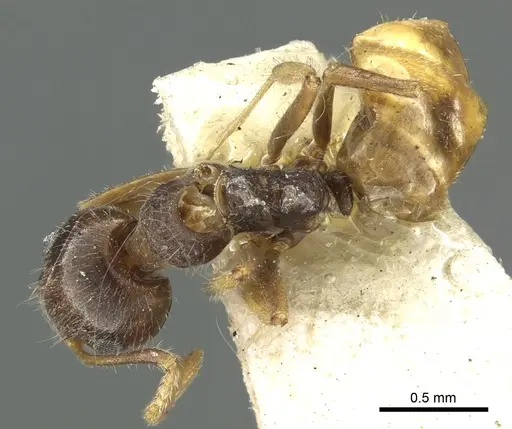
Literatur
Verbreitungskarte wird geladen...Produkte werden geladen...