
Diacamma reductostriatum
- Wiss. Name
- Diacamma reductostriatum
- Tribus
- Ponerini
- Unterfamilie
- Ponerinae
- Autor
- Zettel <i>et al.</i>, 2016
- Verbreitung
- In 0 Ländern gefunden
Einleitung
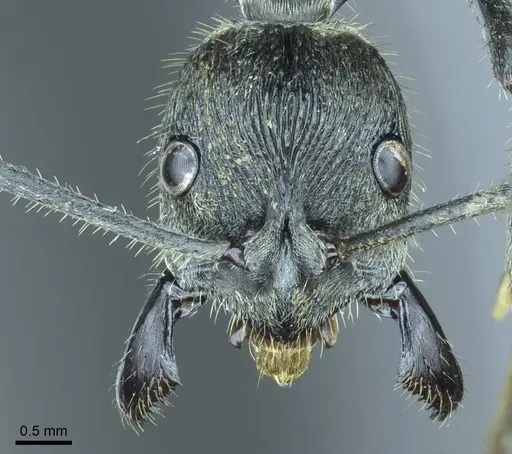
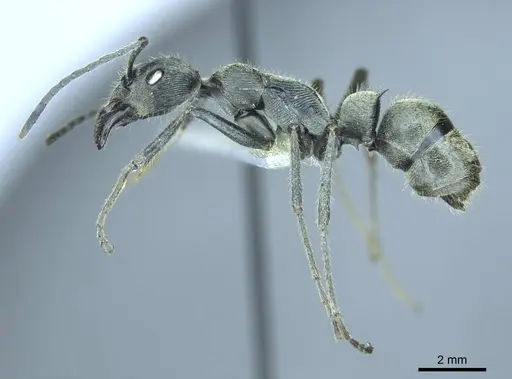
Diacamma reductostriatum is a large ant species measuring 12.5-14.8mm in total length . Workers have a black body with a dull, non-metallic surface and abundant erect bristles. The trunk shows variable striation from the cheeks to the first gaster segment, with fine concentric markings on the pronotum and propodeum . This species was described in 2016 from Camiguin Island in the Philippines . Like other Diacamma species, this ant has a gamergate system where workers can become reproductive and replace a queen [AntWiki]. Ponerine ants are predatory hunters with potent stingers, making them challenging but fascinating captives.
Quick Summary
- Difficulty: Medium
- Origin & Habitat: Philippines (Camiguin Island), tropical forest environment [1]
- Colony Type: Queenless, no distinct queen caste, reproduction by gamergates (reproductive workers).
- Queen Status: Queenless Colony
- Special: Gamergates
- Size & Growth:
- Queen: Queenless species, reproduction by gamergate (reproductive worker) instead of a distinct queen caste.
- Worker: 12.5-14.8mm [1]
- Colony: Unknown for this species, related Diacamma species reach several hundred workers
- Growth: Moderate, inferred from Ponerinae patterns
- Development: Unknown, likely several months based on related Ponerinae species (Development time not specifically studied for this species.)
- Antkeeping:
- Temperature: Keep warm at 24-28°C, tropical species requiring stable warmth
- Humidity: High humidity (70-85%), Philippine tropical environment is humid
- Diapause: No, tropical species from consistent climate
- Nesting: Prefer humid, dark spaces. Y-tong or plaster nests work well. Provide moist substrate and minimal light exposure
- Behavior: Active hunters with potent stings. Workers are aggressive defenders and will readily use their stingers when threatened. Their large size makes them easier to contain than tiny species, but they are fast-moving and determined. Handle with caution, their sting is painful and can cause reactions in sensitive individuals.
- Common Issues: sting pain, these ants have potent stings and should be handled with extreme care, humidity control, tropical species prone to drying out in captive conditions, slow colony growth, Ponerinae develop slower than many common ant species, feeding challenges, need live prey and may refuse sugar, requiring consistent protein availability, gamergate dependence, colony survival depends on reproductive workers, loss can be fatal
Understanding the Gamergate System
Diacamma reductostriatum uses a gamergate system rather than having a traditional queen. In this system, certain workers become reproductive and take on the role of egg-laying. These gamergates are morphologically workers but have developed reproductive capabilities. When a gamergate dies or is removed, another worker may take over reproduction. Colony survival depends on having at least one reproductive worker rather than a single queen [2].
Housing and Nest Setup
These large Ponerine ants need humid, dark conditions. A Y-tong nest or plaster nest with a water reservoir works well. Keep the nest substrate consistently moist but not waterlogged. Provide a foraging area connected to the nest where you can offer prey. Because they are tropical, avoid temperature drops below 24°C. Use a heating cable on one side of the nest if your room temperature stays below this range. Minimal lighting is preferred, Ponerine ants typically avoid light and will retreat to darker areas.
Feeding Requirements
Diacamma are predatory ants that primarily hunt live prey. Offer small insects like fruit flies, small crickets, mealworms, and other appropriately-sized arthropods. Feed prey 2-3 times per week, adjusting based on colony size and consumption. Some Diacamma species may accept sugar water or honey occasionally, but protein from prey should form the bulk of their diet. Remove uneaten prey after 24 hours to prevent mold.
Handling and Safety
Diacamma reductostriatum has a potent sting and should be handled with extreme caution. These ants are not suitable for handling and will defend aggressively if their nest is disturbed. When working with the colony, use tools rather than bare hands. If stung, wash the area with soap and water and monitor for allergic reactions. The sting pain level is significant. Always use escape prevention, but understand that these large ants are easier to contain than tiny species.
Colony Establishment and Growth
Starting a Diacamma colony can be challenging. Wild-caught colonies may contain a gamergate and 10-50 workers. The colony will grow gradually, Ponerine ants develop slower than many Myrmicinae species. Expect the first workers to appear several months after founding, with colony growth being steady but not rapid. A mature colony may reach several hundred workers over 2-3 years under optimal conditions. Patience is key with this species.
Frequently Asked Questions
Do Diacamma reductostriatum ants sting?
Yes, they have a potent sting. These ants will readily sting when threatened and should be handled with extreme caution. The sting can cause significant pain and potential allergic reactions in sensitive individuals.
How long does it take for Diacamma reductostriatum to produce first workers?
The exact development time is unknown for this species. Based on related Ponerinae ants, expect several months from egg to worker at optimal temperature.
Can I keep multiple Diacamma queens together?
This species uses a gamergate system rather than having multiple queens. The colony is led by reproductive workers (gamergates), not a queen. Do not attempt to combine unrelated foundresses as this has not been studied for this species.
What do Diacamma reductostriatum eat?
They are predatory hunters that need live prey. Feed small insects like fruit flies, small crickets, and mealworms. Some may occasionally accept sugar water, but protein from prey should be the primary food source.
Are Diacamma reductostriatum good for beginners?
No, this species is not recommended for beginners. They require specific humidity and temperature conditions, have potent stings, grow slowly, and need a constant supply of live prey. They are better suited for experienced antkeepers familiar with Ponerine species.
What temperature do Diacamma reductostriatum need?
Keep them warm at 24-28°C. As a tropical species from the Philippines, they require stable warmth. Use a heating cable if room temperature falls below this range.
Do Diacamma reductostriatum need hibernation?
No, hibernation is not required. As a tropical species from consistent Philippine climate, they do not enter diapause. Maintain warm temperatures year-round.
How big do Diacamma reductostriatum colonies get?
Colony size is not specifically documented for this species, but related Diacamma species typically reach several hundred workers over 2-3 years under optimal conditions.
When should I move Diacamma to a formicarium?
Wait until the colony has at least 20-30 workers and is actively foraging. Ponerine ants prefer stable conditions, so avoid moving them during founding or when the colony is stressed.
Why is my Diacamma colony dying?
Common causes include: low humidity (they need 70-85%), temperatures below 24°C, lack of live prey, mold from uneaten food, or stress from excessive disturbance. Check all environmental parameters and ensure consistent prey availability.
Report an Issue
The current care sheet is based fully on literature. See inconsistencies, or something that's incorrect? Please , it will be resolved after review from an admin. Contributing to the blogs tab also helps providing information, to make us be able to further improve the caresheets. Thank you for your support!
References

Dieses Caresheet ist lizenziert unter CC BY-SA 4.0 .
Community-Blogs
CASENT0916096
Auf AntWeb ansehen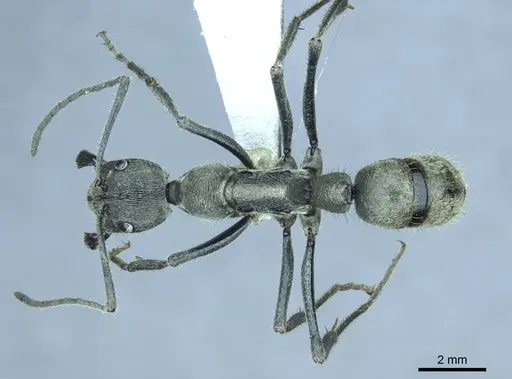
Literatur
Verbreitungskarte wird geladen...Produkte werden geladen...