
Crematogaster gratiosa
- Wiss. Name
- Crematogaster gratiosa
- Untergattung
- Orthocrema
- Tribus
- Crematogastrini
- Unterfamilie
- Myrmicinae
- Autor
- Santschi, 1926
- Verbreitung
- In 0 Ländern gefunden
Einleitung
Crematogaster gratiosa is a small ant species native to the Democratic Republic of Congo. Workers are approximately 3-5mm in length with a distinctive heart-shaped gaster that they can curl forward over their thorax when threatened. This behavior has earned the genus the common name 'acrobat ants'. The genus Crematogaster is one of the most diverse ant groups globally, with numerous species across Africa, Asia, and the Americas. This particular species is known only from historical collection records, with limited modern ecological data available .
Quick Summary
- Difficulty: Medium
- Origin & Habitat: Democratic Republic of Congo, Province MA (likely Maniema or similar eastern province). Found in tropical forest habitats typical of the region. Documented in early 20th century collections and confirmed in recent regional surveys [1].
- Colony Type: Unconfirmed, colony structure has not been directly studied for this species.
- Size & Growth:
- Queen: ~6-8mm, inferred from Crematogaster genus patterns
- Worker: ~3-5mm, inferred from Crematogaster genus patterns
- Colony: Up to several hundred workers, estimated from related species
- Growth: Moderate
- Development: Approximately 6-8 weeks at tropical temperatures (Development time is estimated from genus-level data since species-specific research is unavailable.)
- Antkeeping:
- Temperature: Keep at 24-28°C. A gentle gradient allowing workers to self-regulate is ideal.
- Humidity: Moderate to high humidity (60-80%). Provide a moist nest substrate but ensure good ventilation to prevent mold.
- Diapause: No, as a tropical African species, they do not require winter dormancy. Maintain consistent temperatures year-round.
- Nesting: Crematogaster species often nest in rotting wood, under bark, or in arboreal locations. In captivity, a Y-tong (AAC) nest, plaster nest, or naturalistic setup with wood pieces works well.
- Behavior: Crematogaster ants are generally active and alert workers. They are not particularly aggressive toward keepers but will defend their nest vigorously. They possess a specialized stinger used to smear venom onto enemies rather than pierce flesh. They are good climbers and may attempt escapes, so use standard barrier methods. They communicate through chemical trails and readily recruit nestmates to food sources. Their characteristic abdomen-raising display is a defensive warning behavior.
- Common Issues: limited species-specific information makes care recommendations speculative, tropical temperature requirements may be challenging in cooler climates without heating, moderate humidity needs require balance to avoid mold while preventing drying, escape prevention needed, they are agile climbers, wild-caught colonies may carry parasites or diseases
Housing and Nest Setup
Crematogaster gratiosa can be housed in various nest types commonly used for medium-sized ants. A Y-tong (AAC) nest works well, providing dark, enclosed chambers that this species prefers. Alternatively, a plaster or soil-based naturalistic setup mimics their natural rotting wood habitat. The nest should have chambers scaled appropriately for their worker size. Provide an outworld connected to the nest via tubing. Since they are good climbers, apply Fluon or similar barrier to the edges of the outworld to prevent escapes. A water tube for humidity and a small sponge or cotton for moisture retention in the nest area helps maintain appropriate humidity levels [2].
Feeding and Nutrition
In the wild, Crematogaster species primarily feed on honeydew collected from aphids and scale insects, along with small insects and nectar. In captivity, offer a varied diet: sugar water or honey as an energy source, and protein sources such as small crickets, mealworms, fruit flies, or other small insects. Feed protein 2-3 times per week, and keep sugar sources available constantly. Remove uneaten prey after 24-48 hours to prevent mold. This species is not known for seed-eating, so focus on liquid sugars and insect prey [2].
Temperature and Humidity Management
As a tropical species from the Democratic Republic of Congo, maintain temperatures between 24-28°C. A slight gradient allows the colony to self-regulate. Room temperature in heated homes (around 22-24°C) may be acceptable, but warmer conditions support more active foraging and faster brood development. For humidity, aim for 60-80% relative humidity within the nest. Monitor substrate moisture, it should feel damp but not waterlogged. Good ventilation is essential to prevent mold growth while maintaining humidity. Occasional misting of the outworld helps, but avoid direct spraying on the nest.
Colony Dynamics and Growth
Crematogaster colonies typically grow from a single claustral queen who seals herself in a chamber and raises the first brood alone using stored fat reserves. The first workers are usually smaller than mature workers but begin foraging for food to support further growth. Colony growth rate is moderate, expect several months before reaching significant worker numbers. Maximum colony size for C. gratiosa specifically is unknown, but related species typically reach several hundred to a few thousand workers. The characteristic heart-shaped abdomen and defensive abdomen-raising behavior become more pronounced as the colony matures.
Behavior and Handling
Crematogaster gratiosa displays the genus-typical defensive behavior where workers raise their abdomen over their head like an acrobat, releasing alarm pheromones and preparing to use their specialized smear stinger. They are not particularly aggressive toward humans but will defend their nest aggressively against intruders. Workers are active foragers and quickly discover and recruit nestmates to food sources through chemical trails. They are excellent climbers and may explore vertical surfaces. When observing the colony, you may notice workers communicating through antennation and trophallaxis.
Frequently Asked Questions
How long does it take for Crematogaster gratiosa to produce first workers?
Based on typical Crematogaster development, expect first workers approximately 6-8 weeks after the queen lays eggs, when kept at optimal tropical temperatures (25-28°C). This is an estimate since species-specific development data is not available.
Do Crematogaster gratiosa ants sting?
Crematogaster ants have a specialized stinger adapted for smearing venom onto enemies rather than piercing flesh. Their primary defense is the characteristic display of raising the abdomen, which serves as a warning before any contact occurs.
What temperature do Crematogaster gratiosa need?
Keep them at 24-28°C, which mimics their tropical African habitat. Room temperature in heated homes may suffice, but warmer conditions support more active foraging and better brood development.
Can I keep multiple Crematogaster gratiosa queens together?
This has not been documented for this specific species. Based on typical Crematogaster behavior, they are likely single-queen colonies. Combining unrelated queens is not recommended without evidence they can coexist peacefully.
How big do Crematogaster gratiosa colonies get?
Colony size is estimated at up to several hundred workers based on related species in the genus. The exact maximum for this species is unknown due to limited field studies.
What do Crematogaster gratiosa eat?
They feed on honeydew (offer sugar water or honey) and small insects such as crickets, mealworms, or fruit flies. Provide protein 2-3 times weekly and keep sugar sources constantly available.
Do Crematogaster gratiosa need hibernation?
No, as a tropical species from the Democratic Republic of Congo, they do not require hibernation or winter dormancy. Maintain consistent temperatures year-round.
Is Crematogaster gratiosa good for beginners?
This species is rated as Medium difficulty. While the genus is generally hardy, the lack of species-specific care documentation means keepers should have some experience with tropical ant species. Their temperature and humidity requirements are straightforward but must be consistently maintained.
When should I move my colony to a formicarium?
Keep newly caught or purchased colonies in a test tube setup until they have 30-50 workers and the colony is clearly established. Once the test tube becomes crowded or you see workers actively exploring beyond the tube, transfer to a proper nest setup.
Why are my Crematogaster gratiosa dying?
Common causes include: temperatures below 22°C (tropical species suffer in cool conditions), low humidity causing desiccation, mold from excessive moisture, or poor escape prevention allowing escapes. Also ensure food is appropriate, they need both sugar and protein sources.
Report an Issue
The current care sheet is based fully on literature. See inconsistencies, or something that's incorrect? Please , it will be resolved after review from an admin. Contributing to the blogs tab also helps providing information, to make us be able to further improve the caresheets. Thank you for your support!
References

Dieses Caresheet ist lizenziert unter CC BY-SA 4.0 .
Community-Blogs
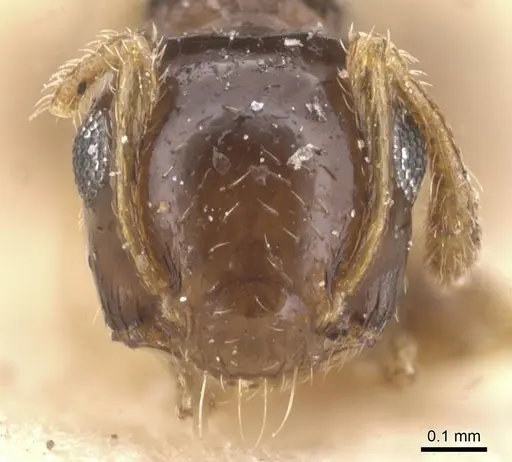
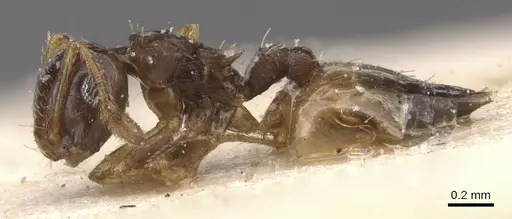
CASENT0912769
Auf AntWeb ansehen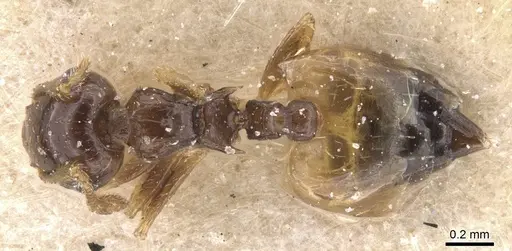
Literatur
Verbreitungskarte wird geladen...Produkte werden geladen...