
Cladomyrma maschwitzi
- Wiss. Name
- Cladomyrma maschwitzi
- Tribus
- Lasiini
- Unterfamilie
- Formicinae
- Autor
- Agosti, 1991
- Verbreitung
- In 0 Ländern gefunden
Einleitung
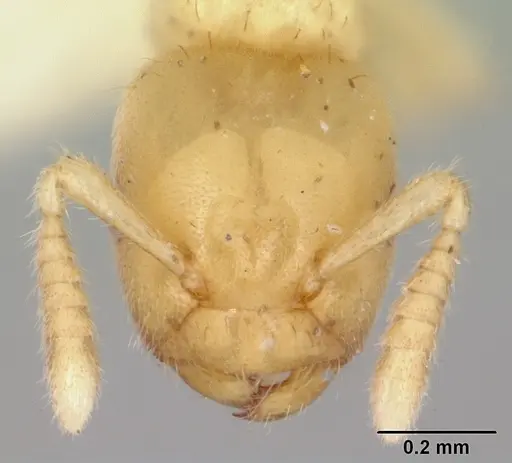
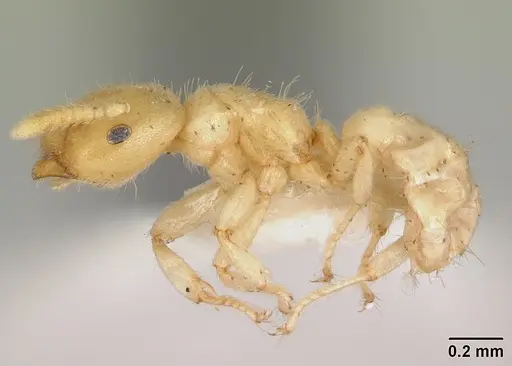
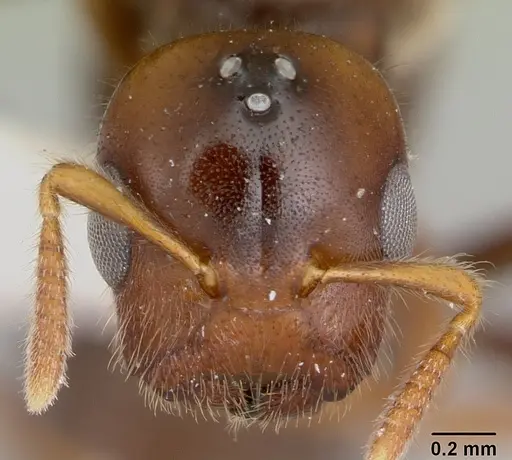
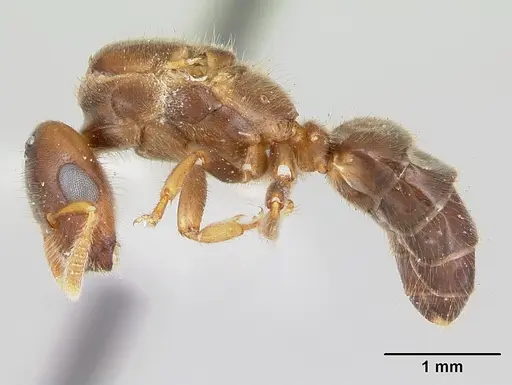
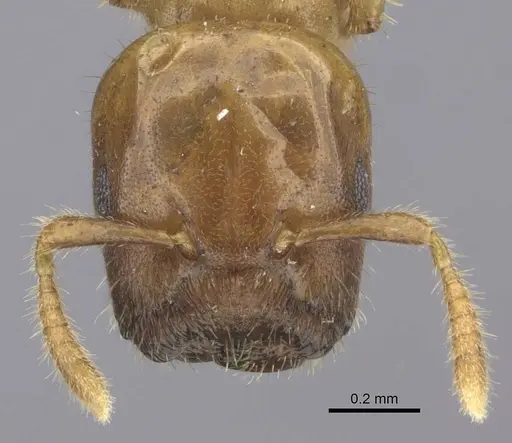
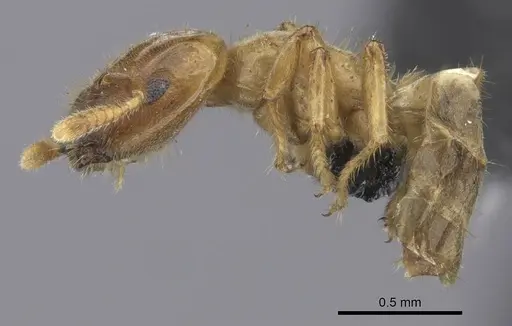
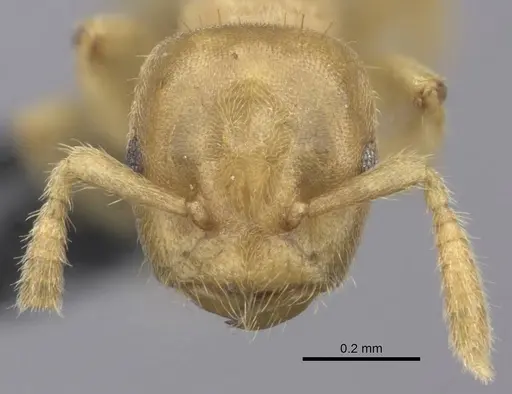
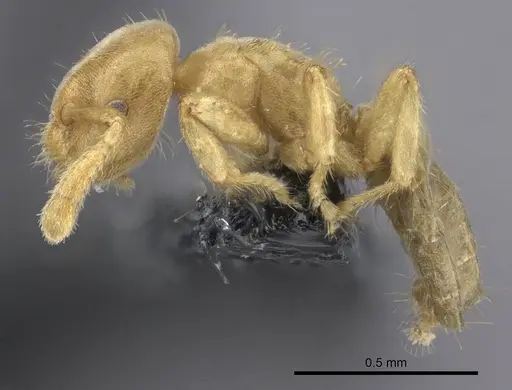
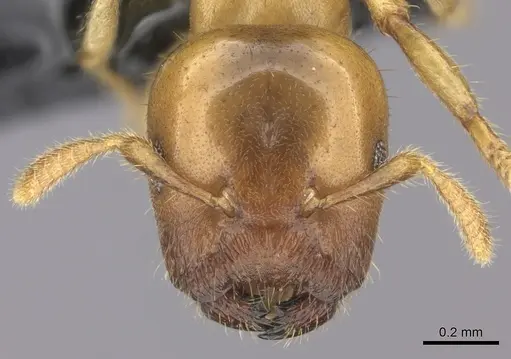
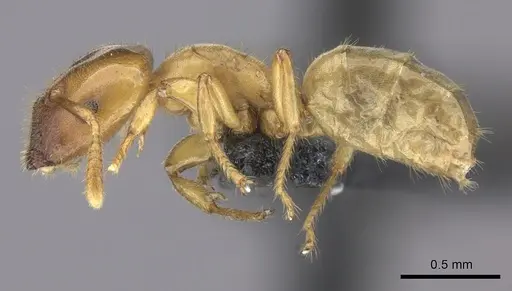
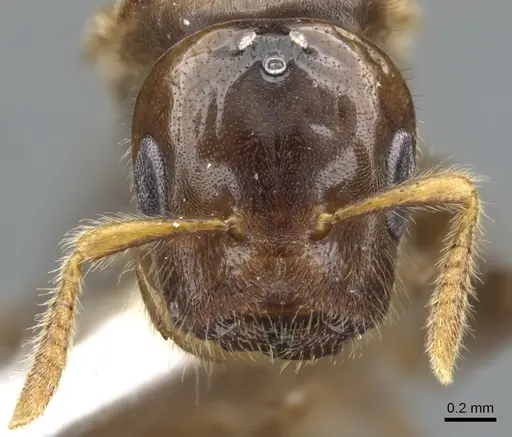
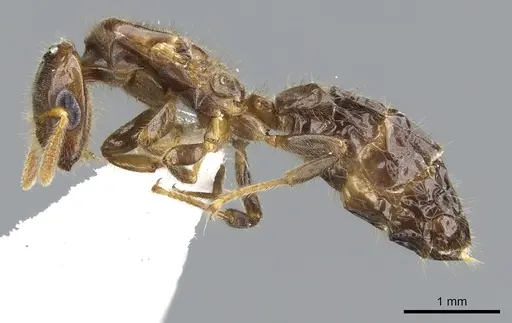
Cladomyrma maschwitzi is a tiny arboreal ant native to Southeast Asia, found throughout Borneo, Peninsular Malaysia, and Sumatra, making it the most widespread species in its genus . Workers are small and light yellow, while queens are uniformly brown with yellowish appendages . This species forms a mutualistic relationship with the host plant Crypteronia griffithii, where ants patrol young leaves, deter herbivores, and clean leaf surfaces of insect eggs . They nest inside excavated tree branches and have evolved clever adaptations for tropical rainforests, including water-bailing behavior where workers ingest flooded water and regurgitate it outside the nest [AntWiki].
Quick Summary
- Difficulty: Expert
- Origin & Habitat: Tropical rainforests of Borneo, Peninsular Malaysia, and Sumatra, where they live in association with Crypteronia griffithii trees [1][2].
- Colony Type: Colony structure is not documented in scientific literature. Based on typical Formicinae patterns, they likely form single-queen colonies in tree branches, though this requires confirmation.
- Size & Growth:
- Queen: size data unavailable, the research provides alitrunk length (1.82-2.38 mm) rather than total body length [1]
- Worker: size data unavailable, the research provides alitrunk length for major workers (0.84-1.00 mm) and minor workers (0.68-0.71 mm) rather than total body length [1]
- Colony: Unknown, no published colony size data found
- Growth: Unknown, no development timing data available
- Development: Unknown, no development timeline has been scientifically documented for this species. (Development timeline has not been studied. Related tropical arboreal ants typically develop faster than temperate species, but specific timing is unconfirmed.)
- Antkeeping:
- Temperature: As a tropical species from Southeast Asian rainforests, keep them warm around 24-28°C. Room temperature in most homes should suffice, but a heating cable on one side of the nest can help maintain stability if needed.
- Humidity: High humidity is essential, these ants live in rainforest environments and nest in tree branches. Keep the nest substrate consistently moist but not waterlogged. Regular misting helps, but ensure good ventilation to prevent mold.
- Diapause: No, as a tropical species, they do not require hibernation. Maintain consistent warm conditions year-round.
- Nesting: Arboreal ants that naturally nest in excavated tree branches. In captivity, they do well in Y-tong (AAC) nests, plaster nests with vertical chambers, or naturalistic setups with cork or wooden branches. They need tight, enclosed spaces scaled to their tiny size.
- Behavior: These ants are active and arboreal, spending most of their time on plants or in vertical spaces. They are not aggressive toward keepers but will defend their host plant vigorously against herbivores in the wild. Workers are small and light yellow, making them easy to spot. Escape prevention is critical due to their very small size, use fine mesh and tight-fitting barriers. They show water-bailing behavior when their nest floods, which is a unique adaptation to heavy tropical rainfall.
- Common Issues: escape prevention is critical due to their very small size, they can squeeze through standard mesh, tropical humidity requirements can lead to mold growth if ventilation is poor, lack of documented captive breeding data makes successful colony establishment challenging, arboreal nature means they need vertical space and climbing structures, horizontal test tube setups are not ideal, wild colonies may be difficult to establish in captivity due to their specialized host plant relationship
Natural History and Host Plant Relationship
Cladomyrma maschwitzi is a specialized plant-ant that forms a mutualistic relationship with Crypteronia griffithii, a tree in the Crypteroniaceae family [1]. The ants live exclusively inside hollow branches and twigs of this host plant, excavating their nests within the plant tissue. In return, the ants provide protection to the plant by patrolling young foliage and deterring or killing herbivores they encounter. They also clean young leaf surfaces by removing insect eggs before they can hatch and damage the plant [1]. This is a classic example of plant-ant mutualism where both parties benefit, the plant gets protection and the ants get shelter and possibly food resources. The relationship is so specific that this ant species was previously known only from Crypteronia griffithii, though they may inhabit other Crypteronia species as well [2]. Competition with another ant species, Cladomyrma crypteroniae, has been observed, younger saplings with smaller twig diameters are primarily colonized by the smaller C. maschwitzi queens, while older saplings are often taken over by the larger C. crypteroniae [1].
Water Management and Rain Adaptation
One of the most fascinating behaviors of Cladomyrma maschwitzi is their water-bailing adaptation to heavy tropical rainfall [2]. The rainforests where their host plant occurs experience frequent and strong rains, creating a significant risk of water flooding into the ant nests within tree branches. To cope with this, the ants have evolved several adaptations. First, their nest entrances are laterally oriented (facing sideways rather than straight up), which helps prevent rain and runoff from directly entering the nest [2]. Second, when water does manage to get into a nest, workers exhibit a remarkable behavior called water-bailing, they physically ingest the water and then regurgitate it outside the nest, repeating this process until no standing water remains [2]. This behavior demonstrates the remarkable adaptability of these tiny ants to their specific ecological niche.
Housing and Nest Setup
Keeping Cladomyrma maschwitzi in captivity requires understanding their arboreal nature. These ants naturally nest inside tree branches, so provide them with vertical spaces that mimic this. Y-tong (acrylic) nests work well, as do plaster nests with narrow chambers. You can also create naturalistic setups using cork or wooden branches where the ants can excavate or occupy pre-existing cavities. Because they are so small, escape prevention is absolutely critical, use fine mesh (0.5mm or smaller) on all openings and ensure all connections are sealed. These ants do best with some climbing structures in their outworld, allowing them to display their natural arboreal behavior. A small plant or branch in the outworld can help them feel at home and provide enrichment.
Temperature and Humidity Care
As a tropical species from Southeast Asian rainforests, Cladomyrma maschwitzi requires warm and humid conditions. Aim for temperatures in the range of 24-28°C, which is typical room temperature in many homes. If your room is cooler, a small heating cable placed on one side of the nest can help maintain appropriate temperatures. Humidity is particularly important, these ants are adapted to the constantly moist rainforest environment. Keep the nest substrate consistently damp but avoid standing water. Regular misting helps, but ensure good air circulation to prevent mold growth, which can be deadly to small colonies. A hygrometer can help you monitor humidity levels, aiming for 70-80% relative humidity around the nest.
Feeding and Diet
In the wild, Cladomyrma maschwitzi likely feeds on honeydew from the host plant and small insects they catch while patrolling. In captivity, offer sugar water or honey as an energy source, and provide small live prey like fruit flies, pinhead crickets, or other tiny insects. Because of their very small size, prey items should be appropriately scaled, springtails and fruit flies are excellent choices. Feed small amounts of protein prey 2-3 times per week, and keep a constant supply of sugar water. Remove uneaten prey after 24 hours to prevent mold issues.
Challenges and Why This Species Is Expert-Level
Cladomyrma maschwitzi is rated as an expert-level species for several important reasons. First, there is very limited scientific data on their captive care, most research focuses on their wild ecology rather than husbandry. Second, they are extremely small, making escape prevention difficult and colony monitoring challenging. Third, their specific host plant relationship suggests they may have specialized requirements that are difficult to replicate in captivity. Fourth, no development timeline data exists, so establishing a colony from scratch requires patience and experimentation. Finally, wild colonies may be difficult to locate and collect, as they live high in tree canopies. For these reasons, this species is best suited for experienced antkeepers who enjoy the challenge of keeping lesser-documented species and who can provide the specialized care these unique arboreal ants require. [1]
Frequently Asked Questions
Is Cladomyrma maschwitzi good for beginners?
No, this species is not recommended for beginners. There is very limited captive care information available, they are extremely small making them difficult to house and monitor, and they have specialized arboreal requirements that are challenging to replicate. This species is best suited for experienced antkeepers.
How long does it take for Cladomyrma maschwitzi to develop from egg to worker?
The exact development timeline has not been scientifically documented for this species. Development timing is unknown.
What size is Cladomyrma maschwitzi?
Full body size data is not available. The research provides alitrunk length measurements: queens are 1.82-2.38 mm, major workers are 0.84-1.00 mm, and minor workers are 0.68-0.71 mm. These are among the smallest ants you can keep.
What do Cladomyrma maschwitzi eat?
In captivity, they should be fed sugar water or honey for energy and small live prey like fruit flies, springtails, or tiny crickets for protein. They likely supplement their diet with honeydew in the wild.
Can I keep multiple queens together?
The colony structure of this species has not been documented. It is unknown whether they are monogyne (single queen) or polygyne (multiple queens). Without documented evidence, combining unrelated queens is not recommended.
Do Cladomyrma maschwitzi need hibernation?
No, they do not require hibernation. As a tropical species from Southeast Asian rainforests, they need warm conditions year-round. Maintain temperatures of 24-28°C consistently.
What is the best nest type for Cladomyrma maschwitzi?
Y-tong (AAC) nests or plaster nests with narrow chambers work well. They are arboreal ants that naturally nest in tree branches, so vertical spaces and climbing structures are important. Ensure escape prevention is excellent due to their tiny size.
Where does Cladomyrma maschwitzi live in the wild?
They are found in Borneo, Peninsular Malaysia, and Sumatra. They live exclusively in association with Crypteronia griffithii trees, nesting inside excavated branches and twigs.
Why is Cladomyrma maschwitzi considered a plant-ant?
They form a mutualistic relationship with the host plant Crypteronia griffithii. The ants live inside the plant's branches and in return protect the plant by patrolling young leaves, deterring herbivores, and cleaning insect eggs from leaf surfaces.
Report an Issue
The current care sheet is based fully on literature. See inconsistencies, or something that's incorrect? Please , it will be resolved after review from an admin. Contributing to the blogs tab also helps providing information, to make us be able to further improve the caresheets. Thank you for your support!
References

Dieses Caresheet ist lizenziert unter CC BY-SA 4.0 .
Community-Blogs
CASENT0173898
Auf AntWeb ansehen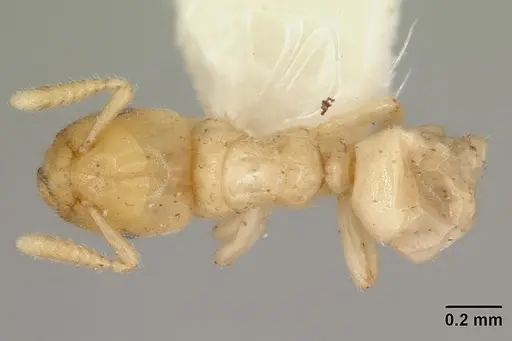
CASENT0173899
Auf AntWeb ansehen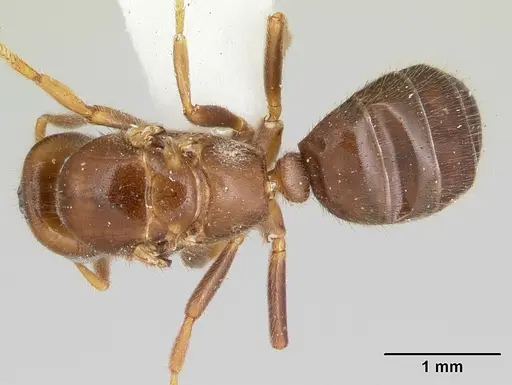
CASENT0235264
Auf AntWeb ansehen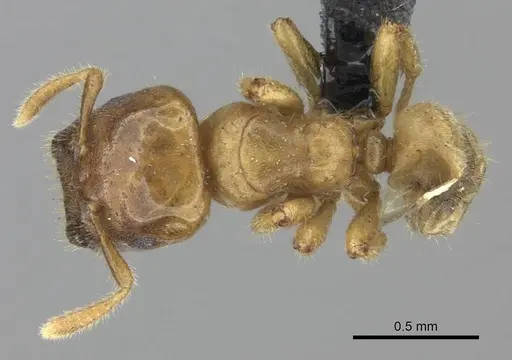
CASENT0235265
Auf AntWeb ansehen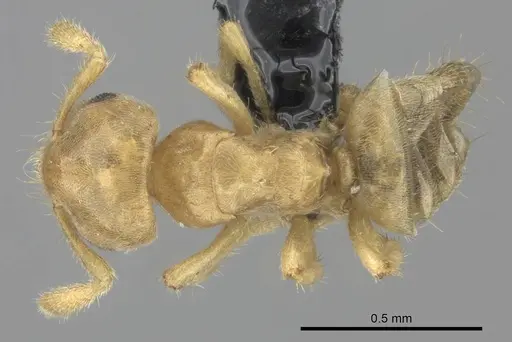
CASENT0247547
Auf AntWeb ansehen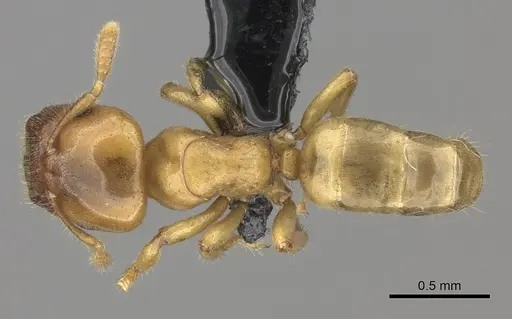
CASENT0903187
Auf AntWeb ansehen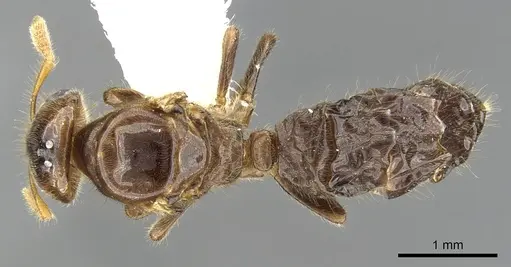
Literatur
Verbreitungskarte wird geladen...Produkte werden geladen...