
Cephalotes fossithorax
- Wiss. Name
- Cephalotes fossithorax
- Tribus
- Attini
- Unterfamilie
- Myrmicinae
- Autor
- Santschi, 1921
- Verbreitung
- In 0 Ländern gefunden
Einleitung
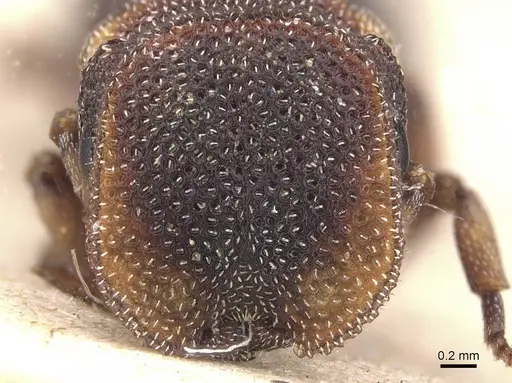
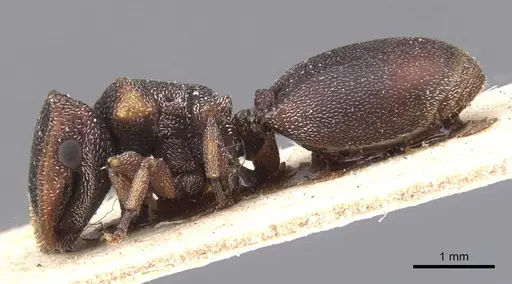
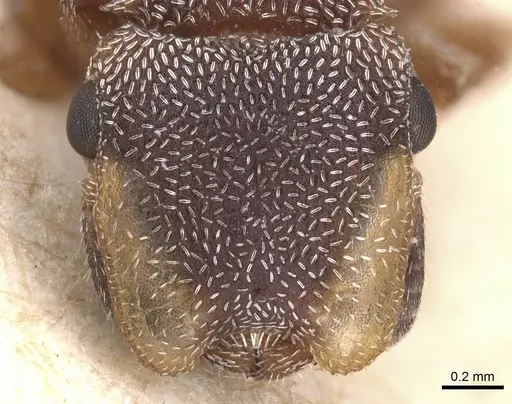
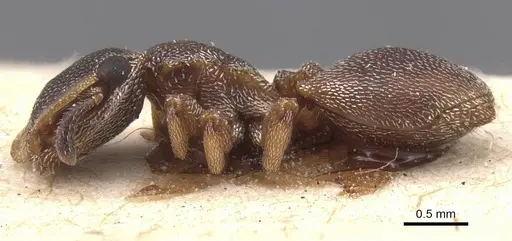
Cephalotes fossithorax is a small to medium-sized turtle ant belonging to the fiebrigi clade. Workers measure 3.8-4.7mm, soldiers measure 6.5-7.3mm, and queens measure 8.08-8.22mm [AntWiki]. This species is found only in Argentina, specifically in the Río Negro region . The species is distinguished from related species by its erect, very short, truncate body hairs. Soldiers and queens have a distinctive flattened head disc, and workers have characteristic lateral spines on the postpetiole. Coloration is reddish-brown to dark ferruginous, with soldiers having a black body with yellow to reddish-brown markings on the head disc [AntWiki]. Turtle ants are arboreal or semi-arboreal ants that nest in hollow twigs, dead branches, and pre-formed cavities in wood. This species is poorly studied in the wild - no published biological data exists for C. fossithorax specifically. General Cephalotes behavior suggests they are peaceful colony inhabitants that prefer established nest sites in wood.
Quick Summary
- Difficulty: Medium
- Origin & Habitat: Native to the Río Negro region in northern Argentina (Neotropical region) [2][3]. They inhabit areas with woody vegetation where they can nest in pre-existing cavities in dead branches or twigs.
- Colony Type: Colony structure is unconfirmed. Most Cephalotes species are monogyne (single queen), but this has not been documented for C. fossithorax specifically. Turtle ants have distinct worker and soldier castes.
- Size & Growth:
- Antkeeping:
- Temperature: Keep at 22-26°C, aim for warm, stable conditions typical of subtropical Argentine habitats.
- Humidity: Moderate humidity around 50-70%. Turtle ants nest in wood cavities which should be kept slightly moist but never waterlogged. Provide a water source.
- Diapause: Unknown, Argentine species may experience mild seasonal changes. Consider a brief cooling period if the colony shows reduced activity in winter.
- Nesting: Y-tong (AAC) nests work well, or naturalistic setups with dead wood or bamboo sections. They prefer tight-fitting chambers scaled to their size. Avoid large open spaces, they feel secure in snug cavities.
- Behavior: Turtle ants are generally peaceful and not aggressive. Workers are active foragers that search for food throughout the nest and surrounding area. They possess a stinger but it is not medically significant to humans. Their small size means escape prevention should be moderate, they can fit through small gaps but are not extreme escape artists. Soldiers, when present, use their head disc to block nest entrances.
- Common Issues: no biological data exists for this species, care is based on genus-level assumptions, colonies may be slow to establish due to unknown founding requirements, wild-caught colonies may have parasites or diseases since no captive breeding data exists, soldier production may be variable and depends on colony health and size, temperature and humidity preferences are estimates, monitor colony behavior and adjust accordingly
Nest Preferences and Housing
Cephalotes ants are cavity-nesters that naturally inhabit hollow twigs, dead branches, and pre-existing holes in wood. In captivity, Y-tong (AAC) nests work well because they provide the dark, snug chambers these ants prefer. Naturalistic setups with pieces of dead wood or bamboo sections also work well. The key is providing tight-fitting chambers, turtle ants feel secure in snug cavities and may not use overly large spaces. For the outworld, a simple setup with a foraging area is sufficient. Ensure the nest material can retain some moisture without becoming waterlogged. A small water tube or reservoir connected to the nest helps maintain appropriate humidity. [1]
Feeding and Diet
Like other Cephalotes species, this ant is likely omnivorous with a preference for protein sources and sugar. In the wild, they probably forage for small insects, honeydew, and nectar. In captivity, offer protein sources such as small crickets, mealworms, fruit flies, or other small insects twice weekly. Sugar water, honey, or diluted nectar should be available constantly as an energy source. Turtle ants are not aggressive hunters but will readily accept dead prey. Avoid overfeeding, remove uneaten food after 24-48 hours to prevent mold. Fresh water should always be available.
Temperature and Seasonal Care
Keep the nest at 22-26°C, which mimics the warm conditions of their Argentine habitat. A temperature gradient is beneficial, allow the ants to choose their preferred warmth level. Room temperature in most homes is likely suitable. If your colony seems sluggish, slightly increasing temperature may help. During winter, if you notice reduced activity, consider providing a brief cooling period, though this is optional given the limited data. Avoid temperatures below 15°C or above 30°C. Heating cables or mats placed on one side of the nest can create the needed gradient.
Behavior and Colony Structure
Cephalotes fossithorax has distinct worker and soldier castes, a characteristic of the genus. Soldiers have a distinctive flattened head disc that can be used to block nest entrances, this is a passive defense mechanism. Workers are active foragers that search systematically for food. The colony structure is unconfirmed for this specific species. Turtle ants possess a stinger but it is not medically significant to humans. Colonies grow gradually, with soldiers typically appearing once the colony reaches a moderate size. [1]
Acquiring and Establishing a Colony
This species is rarely available in the antkeeping hobby due to its limited distribution and lack of captive breeding data. If available, wild-caught colonies are the most likely source. When acquiring a colony, quarantine and observe it for several weeks before introducing it to any existing ant setups. Watch for signs of parasites, fungal infections, or colony decline. Established colonies with a laying queen are preferable to queenless groups. Since no captive breeding data exists for this species, be prepared for a potentially difficult establishment period. Start with a simple setup and minimize disturbances during the founding and growth phase.
Frequently Asked Questions
How long does it take for Cephalotes fossithorax to produce first workers?
The exact timeline is unconfirmed for this species. Based on typical Myrmicinae development, expect several months from egg to worker at optimal temperatures. Growth may be slower given the lack of specific data on this species.
Can I keep Cephalotes fossithorax in a test tube setup?
Test tubes can work for founding colonies, but turtle ants prefer wood-based cavities. A test tube with a cotton barrier and water reservoir is suitable for queen founding, but consider moving the colony to a Y-tong or naturalistic wood setup once workers establish. The key is providing snug chambers they can feel secure in.
What do Cephalotes fossithorax eat?
They are omnivorous. Offer small protein sources like crickets, mealworms, or fruit flies twice weekly. Keep sugar water, honey, or diluted nectar available constantly. They will also accept small insects and likely honeydew. Remove uneaten food after 24-48 hours.
Are Cephalotes fossithorax good for beginners?
This species is not ideal for beginners due to the lack of species-specific biological data. All care recommendations are based on genus-level assumptions. Beginners may want to start with better-documented species like Lasius, Camponotus, or Tetramorium before attempting this turtle ant.
How big do Cephalotes fossithorax colonies get?
Colony size is unconfirmed for this specific species. Based on typical Cephalotes growth patterns, colonies likely reach several hundred workers over time. Soldier production typically begins once the colony is well-established.
Do Cephalotes fossithorax need hibernation?
Hibernation requirements are unknown. The Argentine habitat suggests they may experience mild seasonal changes. If your colony becomes sluggish in winter, a brief cooling period may be beneficial but is not required based on current knowledge.
When should I move my colony to a formicarium?
Move the colony when the test tube or founding setup becomes crowded or the queen is actively laying eggs and workers are present. Turtle ants do well in Y-tong nests or naturalistic setups with wood cavities. Avoid moving too early, wait until the colony is established with at least 20-30 workers.
Can I keep multiple queens together?
Colony structure is unconfirmed for this species. Most Cephalotes are monogyne (single queen). Combining unrelated queens is not recommended without documented evidence that they can coexist. If you acquire multiple foundresses, house them separately.
Why are my Cephalotes fossithorax dying?
Without species-specific data, diagnosing problems is challenging. Common issues include: temperature too low or too high, humidity improper (too dry or waterlogged), stress from disturbance, parasites from wild-caught colonies, or poor nutrition. Review basic parameters and consider consulting experienced Cephalotes keepers. The lack of biological data makes this a challenging species.
Report an Issue
The current care sheet is based fully on literature. See inconsistencies, or something that's incorrect? Please , it will be resolved after review from an admin. Contributing to the blogs tab also helps providing information, to make us be able to further improve the caresheets. Thank you for your support!
References

Dieses Caresheet ist lizenziert unter CC BY-SA 4.0 .
Community-Blogs
CASENT0912598
Auf AntWeb ansehen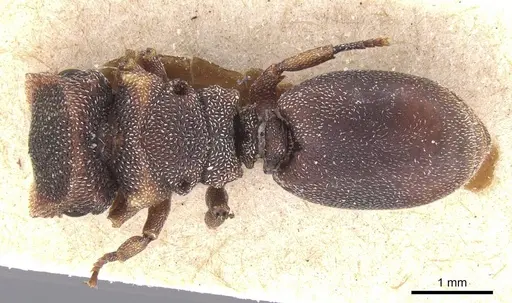
CASENT0912599
Auf AntWeb ansehen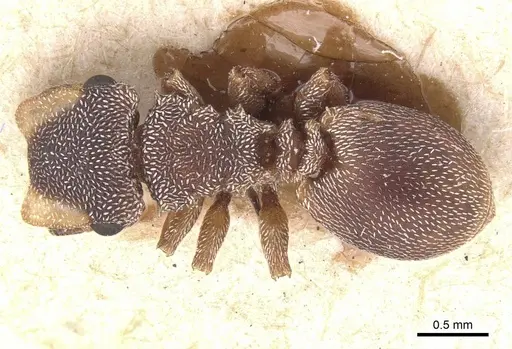
Literatur
Verbreitungskarte wird geladen...Produkte werden geladen...