
Cataulacus reticulatus
- Wiss. Name
- Cataulacus reticulatus
- Tribus
- Crematogastrini
- Unterfamilie
- Myrmicinae
- Autor
- Smith, 1857
- Verbreitung
- In 0 Ländern gefunden
Einleitung
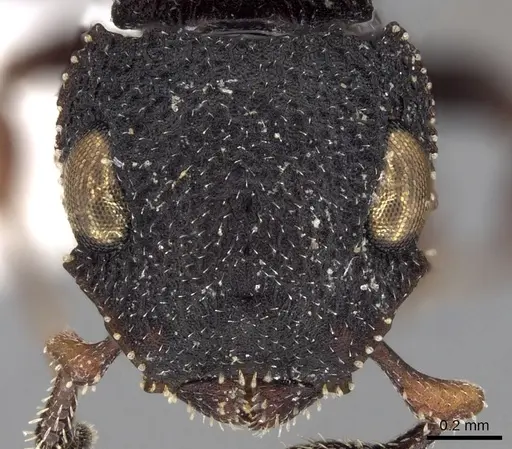
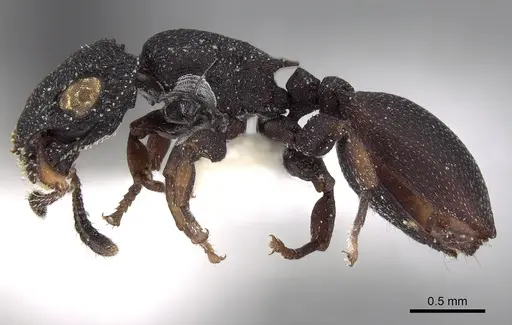
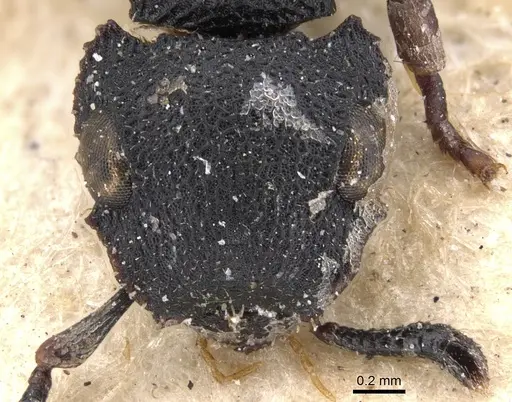
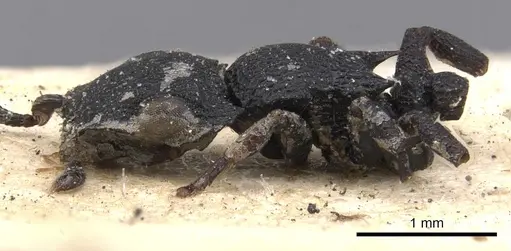
Cataulacus reticulatus is a small arboreal ant species native to the forests of Southeast Asia. Workers measure 4.2mm in total length and have a distinctive appearance with a complete occipital crest, preocular teeth, and well-developed propodeal spines. The body is covered in fine rugoreticulum sculpture, giving it a textured appearance. This species belongs to the Cataulacus taprobane species group, closely related to Cataulacus praetextus, Cataulacus catuvolcus, and Cataulacus chapmani. As an arboreal ant, they likely nest in hollow twigs, branches, or tree cavities in their natural rainforest habitat. AntWiki explicitly states that nothing is known about the biology of this species [AntWiki].
Quick Summary
- Difficulty: Unknown
- Origin & Habitat: Borneo (Sarawak), Peninsular Malaysia, Indonesia (including Celebes/Sulawesi) [1][2]
- Colony Type: Unconfirmed, colony structure has not been documented
- Size & Growth:
- Antkeeping:
- Temperature: Unconfirmed, likely 24-28°C based on tropical rainforest origin. Start in this range and observe colony activity.
- Humidity: Unconfirmed, likely requires high humidity typical of arboreal rainforest ants. Keep nest substrate moist but not waterlogged.
- Diapause: Unknown, tropical species may not require formal diapause but may show reduced activity during cooler periods
- Nesting: Arboreal species, likely prefers nests in hollow twigs, bamboo, or nests with narrow chambers. Y-tong or plaster nests with small chambers work as captive alternatives.
- Behavior: Behavior is unconfirmed. The genus Cataulacus is generally known to be less aggressive and more docile than many Myrmicinae. Workers are relatively slow-moving. Escape prevention should be moderate, workers are small but not extremely tiny. They likely forage in the canopy layer and may tend aphids or collect honeydew.
- Common Issues: No biological data exists, keepers must experiment with care conditions, Colony may fail if temperature or humidity is incorrect since optimal ranges are unknown, Growth rate is unknown, colonies may grow very slowly or quickly depending on undiscovered requirements, Wild-caught colonies may have unknown parasites or diseases, Feeding preferences are unconfirmed, may be selective about food types
Species Identification and Taxonomy
Cataulacus reticulatus was originally described by Frederick Smith in 1857 from specimens collected in Sarawak, Borneo. The species was later considered a junior synonym of Cataulacus granulatus but was revived as a valid species by Bolton in 1974. The holotype worker measures 4.2mm in total length, with distinctive features including a complete occipital crest raised into a low ridge, preocular teeth, and well-developed propodeal spines. The body sculpture shows fine rugoreticulum with reticulate-punctate interspaces. This species is part of the taprobane group, distinguished from related species by specific morphological characters detailed in Bolton's 1974 revision [1].
Distribution and Habitat
Cataulacus reticulatus is known from Borneo (specifically Sarawak in East Malaysia), Peninsular Malaysia, and Indonesia. Historical records also mention Celebes (Sulawesi) and Tondano in the broader distribution [2]. The species appears to be restricted to the Indomalaya region. As an arboreal ant genus, Cataulacus species typically inhabit forest canopies, nesting in hollow twigs, branches, or pre-existing tree cavities. The tropical rainforest environment suggests they prefer warm, humid conditions with ample vegetation cover.
Unknown Biology - What We Don't Know
AntWiki explicitly states that nothing is known about the biology of Cataulacus reticulatus. This includes critical antkeeping information such as: colony size and structure (monogyne vs polygyne), founding behavior (claustral or semi-claustral), diet preferences, nuptial flight timing, development timeline, and overwintering requirements. Even the caste system (whether they have distinct worker subcastes) is undocumented. This makes keeping this species particularly challenging, as there are no established care guidelines to follow. Keepers will need to experiment and potentially draw inferences from related Cataulacus species, though such inferences should be treated as educated guesses rather than established requirements [1].
General Cataulacus Genus Information
While specific data for C. reticulatus is lacking, the Cataulacus genus as a whole provides some context. Cataulacus ants are arboreal Myrmicinae known for their distinctive appearance with spines and sculptured bodies. They typically nest in above-ground locations like hollow twigs, bamboo, or tree cavities. The genus is not particularly aggressive compared to many arboreal ants. Workers are generally moderate-sized and slow-moving. In captivity, they often accept sugar water, honey, and small insects, though exact dietary requirements vary by species. Related species in the taprobane group may share similar biology, but this remains unconfirmed for reticulatus specifically [1].
Recommended Care Approach
Given the complete lack of biological data for this species, keepers should approach care experimentally. Start with conditions typical of tropical arboreal ants: temperatures around 24-28°C, humidity 70-85%, and nests that mimic their natural arboreal habitat. Y-tong nests with small chambers or plaster nests work well for arboreal species. For feeding, offer a varied diet including sugar water/honey, small live insects (fruit flies, pinhead crickets), and observe what is accepted. Keep detailed notes on colony behavior and adjust conditions based on observed preferences. Given the species' rarity in the hobby and lack of documented captive success, this is an experimental species for advanced antkeepers willing to contribute to collective knowledge [1].
Frequently Asked Questions
How long does it take for Cataulacus reticulatus to develop from egg to worker?
This is unknown, no development data exists for this species.
What do Cataulacus reticulatus ants eat?
Diet is unconfirmed for this specific species. Based on general Cataulacus biology, they likely accept sugar sources (honey, sugar water) and small insects. Offer varied foods and observe preferences.
Are Cataulacus reticulatus ants aggressive?
Aggression level is not documented. The Cataulacus genus generally includes less aggressive species compared to many Myrmicinae, but specific behavior for reticulatus is unknown.
Do Cataulacus reticulatus ants need hibernation or diapause?
This is unknown. As a tropical species from Southeast Asia, they likely do not require formal hibernation, though activity may decrease during cooler periods.
What temperature should I keep Cataulacus reticulatus at?
Optimal temperature is unconfirmed. Based on their tropical rainforest origin, aim for 24-28°C and observe colony behavior for signs of comfort or stress.
Can I keep multiple Cataulacus reticulatus queens together?
Colony structure is unconfirmed, we don't know if they are monogyne (single queen), polygyne (multiple queens), or something else. Combining unrelated queens is not recommended without documented evidence of acceptance.
How big do Cataulacus reticulatus colonies get?
Maximum colony size is unknown. No colony size data has been documented for this species.
Is Cataulacus reticulatus a good species for beginners?
No, this species is not recommended for beginners due to completely unknown biology. There are no established care guidelines, making successful keeping very challenging. This is an experimental species for advanced antkeepers.
What type of nest should I use for Cataulacus reticulatus?
As an arboreal species, they likely prefer nests in hollow twigs or similar structures. In captivity, Y-tong nests with small chambers or plaster nests work as alternatives. Avoid large, open spaces.
Does Cataulacus reticulatus sting?
Sting behavior is not documented for this species. Most Cataulacus workers are small and any sting would likely be mild, but this has not been specifically studied.
Where can I find Cataulacus reticulatus ants for sale?
This species appears to be extremely rare in the antkeeping hobby due to lack of documented biology and limited distribution. It is unlikely to be commonly available from suppliers.
Why is so little known about Cataulacus reticulatus?
This species has received minimal scientific attention. Most ant research focuses on species with greater ecological impact or more accessible colonies. The arboreal, forest-dwelling nature of this ant also makes observation and study difficult.
Report an Issue
The current care sheet is based fully on literature. See inconsistencies, or something that's incorrect? Please , it will be resolved after review from an admin. Contributing to the blogs tab also helps providing information, to make us be able to further improve the caresheets. Thank you for your support!
References

Dieses Caresheet ist lizenziert unter CC BY-SA 4.0 .
Community-Blogs
CASENT0280799
Auf AntWeb ansehen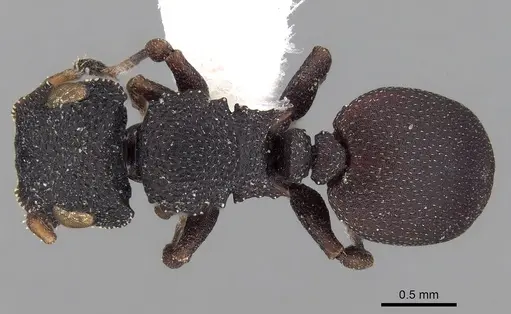
CASENT0901450
Auf AntWeb ansehen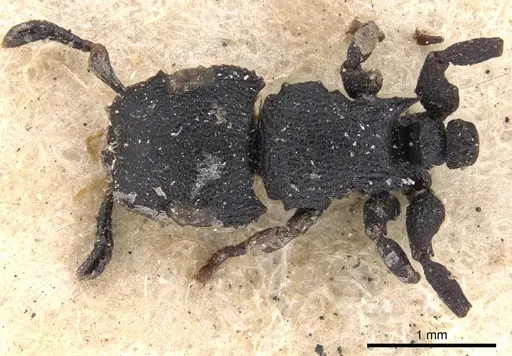
Literatur
Verbreitungskarte wird geladen...Produkte werden geladen...