
Cataulacus elongatus
- Wiss. Name
- Cataulacus elongatus
- Tribus
- Crematogastrini
- Unterfamilie
- Myrmicinae
- Autor
- Santschi, 1924
- Verbreitung
- In 0 Ländern gefunden
Einleitung
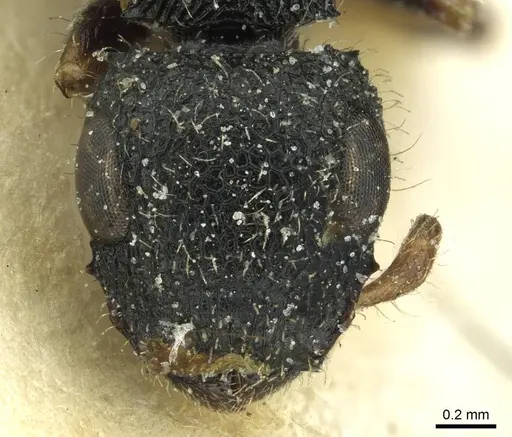
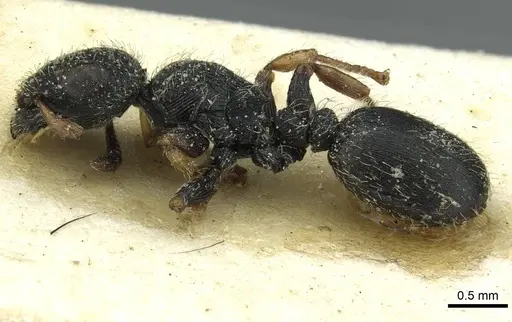
Cataulacus elongatus is an arboreal ant species native to the Democratic Republic of Congo. The species is documented from the Equateur (EQ) province . Like other Cataulacus species, they have a flattened body morphology adapted for navigating narrow crevices in wood and bark. Workers are estimated at 4-6mm based on genus morphology - specific measurements for this species are unavailable. Coloration is typically dark. This species inhabits tropical forest environments in central Africa.
Quick Summary
- Difficulty: Medium
- Origin & Habitat: Democratic Republic of Congo (Equateur province), tropical forest environment [1]
- Colony Type: Colony structure is unconfirmed, likely monogyne based on typical Cataulacus genus patterns
- Size & Growth:
- Queen: ~6-8mm, inferred from Cataulacus genus morphology
- Worker: ~4-6mm, inferred from Cataulacus genus morphology
- Colony: Up to several hundred workers, inferred from genus patterns
- Growth: Moderate, inferred from genus patterns
- Development: Development timeline is unconfirmed for this species (Estimated 6-10 weeks at tropical temperatures based on related arboreal ant species)
- Antkeeping:
- Temperature: Keep at 24-28°C, these are tropical ants requiring warm, stable conditions. A heating cable on one side of the nest creates a suitable gradient.
- Humidity: Moderate to high humidity (60-80%). Arboreal ants prefer humid conditions but need ventilation to prevent mold. Keep nest substrate slightly moist but not waterlogged.
- Diapause: Unlikely, as a tropical species from DRC, they probably do not require a hibernation period
- Nesting: Arboreal setup is essential. They do well in Y-tong nests, plaster nests with narrow chambers, or naturalistic setups with rotting wood and twigs. Avoid soil-based formicariums.
- Behavior: Cataulacus elongatus is an arboreal, generally peaceful species. Workers are active foragers, typically hunting small prey and tending aphids for honeydew. They may bite if threatened but are not aggressive. Escape prevention is important, they are agile climbers. Primarily nocturnal or crepuscular in foraging patterns.
- Common Issues: tropical temperature requirements mean colonies can fail if kept too cool, arboreal species need proper nesting, soil nests will be rejected, limited availability in the antkeeping hobby means established colonies are rare, escape prevention needed despite moderate size, they are agile climbers, humidity control is important, too dry causes desiccation, too wet causes mold
Natural History and Distribution
Cataulacus elongatus is known from the Equateur (EQ) province in the Democratic Republic of Congo, a region characterized by tropical rainforest environments [1]. The species was originally described by Santschi in 1924,with historical records documenting its presence in this region [1]. As with other Cataulacus species, this ant is arboreal, it lives in trees and woody vegetation rather than on the forest floor. They construct nests in pre-existing cavities such as hollow twigs, rotting branches, and under loose bark. This arboreal lifestyle is reflected in their flattened body morphology, which allows them to navigate narrow passages within their woody nesting sites. The Democratic Republic of Congo's equatorial climate provides year-round warm temperatures and high humidity, conditions that should be replicated in captivity.
Housing and Nest Preferences
Cataulacus elongatus requires an arboreal-style setup, this is perhaps the most critical aspect of their care. They will not thrive in standard soil-based formicariums. The best options include Y-tong nests with chambers scaled to their size, plaster nests that can retain some moisture, or naturalistic setups featuring rotting wood pieces and twigs. If using a naturalistic setup, provide hollow twigs or small pieces of soft wood for them to nest in. The nest should be kept humid but the ants should have access to drier areas within the outworld. Ensure excellent escape prevention, while not among the smallest ants, they are agile climbers that will find any gap. Apply Fluon or similar barriers to the rim of the outworld.
Temperature and Heating
As a tropical species from the DRC, Cataulacus elongatus requires warm conditions. Maintain temperatures between 24-28°C consistently. Temperature drops below 22°C can slow colony development and may stress the ants. Use a heating cable or small heat mat placed on one side of the nest to create a gentle thermal gradient, allowing the ants to regulate their own temperature by moving between warmer and cooler areas. Avoid direct heat that could dry out the nest too quickly. Room temperature may be sufficient if your home stays in the low-to-mid 20s°C range, but monitor colony activity, if workers seem sluggish, provide gentle heating.
Feeding and Diet
In the wild, Cataulacus species are omnivorous, feeding on small insects, honeydew from aphids and scale insects, and nectar. In captivity, offer a varied diet including sugar water or honey as a constant energy source, and protein sources such as small crickets, mealworms, fruit flies, and other small insects. Live prey is preferred as it stimulates natural foraging behavior. Feed protein 2-3 times per week, and ensure sugar sources are always available. Remove uneaten prey after 24-48 hours to prevent mold. Some Cataulacus species show preferences for certain foods, so observe what your colony accepts best.
Colony Development
Colony founding is likely claustral, the queen seals herself in a small chamber and raises the first brood alone using stored fat reserves. This is based on typical Cataulacus genus patterns, as specific founding behavior for C. elongatus is unconfirmed. After the first workers emerge, the colony will gradually grow. Cataulacus colonies typically reach several hundred workers over time, though exact growth rates for this species are unknown. Expect slow but steady growth initially, with development potentially speeding up once the colony reaches 20-30 workers. Colonies should be given privacy during the founding stage, disturbances can cause queens to abandon or consume their brood.
Defense Mechanism
Cataulacus elongatus belongs to the subfamily Myrmicinae and tribe Crematogastrini. Members of this tribe possess a modified, flattened stinger used to wipe or smear venom onto enemies rather than piercing flesh. This is a smear-type defense mechanism. While specific literature on this species' defense is unavailable, this is the typical mechanism for the tribe.
Frequently Asked Questions
Is Cataulacus elongatus a good beginner ant?
Cataulacus elongatus is not typically recommended for complete beginners due to their specific arboreal nesting requirements and need for tropical temperatures. However, antkeepers familiar with arboreal species should find them manageable. They are not aggressive and do not require hibernation, which simplifies seasonal care.
What temperature do Cataulacus elongatus ants need?
Keep them at 24-28°C consistently. These are tropical ants that need warm conditions year-round. A small heating cable on one side of the nest can help maintain optimal temperatures.
Can I keep Cataulacus elongatus in a test tube?
Test tubes can work for founding colonies but arboreal ants often prefer wood-based nesting. If using test tubes, ensure high humidity and transfer to a more suitable nest (Y-tong or plaster) once the colony grows past 20-30 workers.
How long does it take for Cataulacus elongatus to produce first workers?
Specific development timeline for C. elongatus is unconfirmed. Based on genus patterns, expect first workers approximately 6-10 weeks after egg-laying at optimal temperatures of 25-28°C.
Do Cataulacus elongatus ants sting?
Cataulacus species can bite if threatened, but they are not considered dangerous to humans. Their bite is mild and comparable to other small ants. They possess a smear-type venom delivery system typical of the Crematogastrini tribe.
What do Cataulacus elongatus eat?
They are omnivorous. Offer sugar water or honey constantly, and protein sources like small crickets, mealworms, or fruit flies 2-3 times per week. They will also collect honeydew from aphids if available.
Do Cataulacus elongatus need hibernation?
No, as a tropical species from the DRC, they do not require hibernation. Maintain warm temperatures year-round.
How big do Cataulacus elongatus colonies get?
Based on typical Cataulacus species, colonies likely reach several hundred workers. Growth is moderate and takes several years to reach maximum size.
Why is my Cataulacus elongatus colony dying?
Common causes include: temperatures below 22°C, nest conditions that are too dry or too wet, wrong nest type (soil instead of wood), or stress from disturbances during founding. Ensure proper arboreal setup with appropriate humidity and temperature.
Report an Issue
The current care sheet is based fully on literature. See inconsistencies, or something that's incorrect? Please , it will be resolved after review from an admin. Contributing to the blogs tab also helps providing information, to make us be able to further improve the caresheets. Thank you for your support!
References

Dieses Caresheet ist lizenziert unter CC BY-SA 4.0 .
Community-Blogs
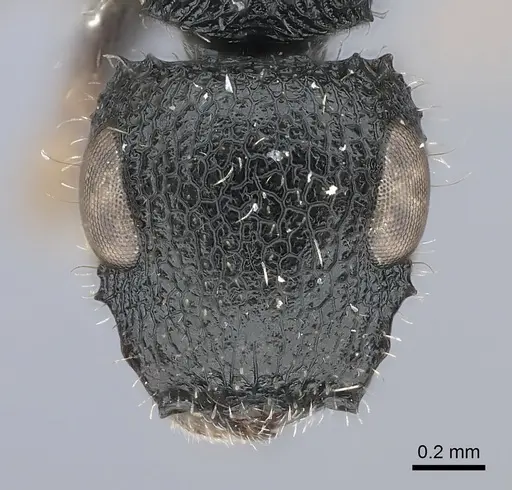
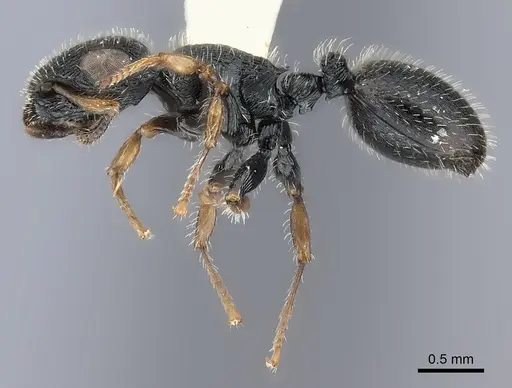
CASENT0217821
Auf AntWeb ansehen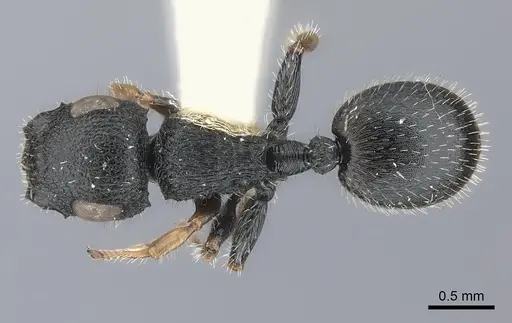
CASENT0912548
Auf AntWeb ansehen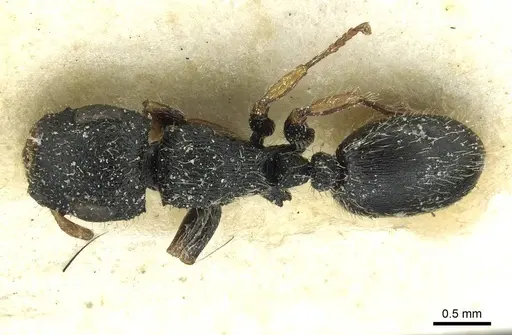
Literatur
Verbreitungskarte wird geladen...Produkte werden geladen...