
Cataglyphis marroui
- Wiss. Name
- Cataglyphis marroui
- Tribus
- Formicini
- Unterfamilie
- Formicinae
- Autor
- Cagniant, 2009
- Verbreitung
- In 0 Ländern gefunden
Einleitung
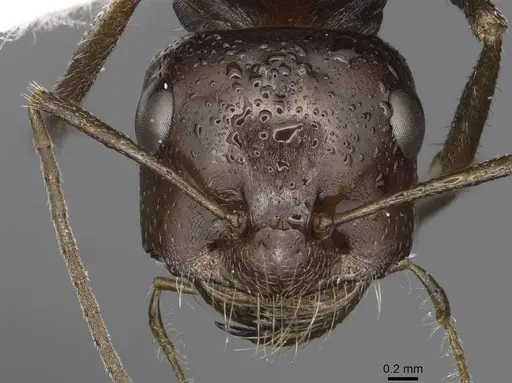
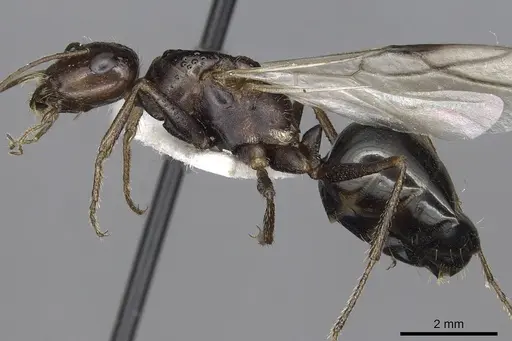
Cataglyphis marroui is a medium-sized desert ant species native to Morocco in North Africa . Workers are slender and fast-moving, characteristic of the genus Cataglyphis, known for their excellent heat tolerance and long-distance foraging in arid environments. The species has the typical reddish-brown to yellowish coloration common in desert-dwelling Cataglyphis, with a darker gaster. These ants are adapted to harsh, dry conditions and are typically found in open, sandy or rocky desert habitats where they forage during the cooler parts of the day.
Quick Summary
- Difficulty: Medium
- Origin & Habitat: Native to Morocco in North Africa, found in desert and semi-desert habitats with open, sandy or rocky terrain [1].
- Colony Type: Colony type unconfirmed. Based on typical Cataglyphis patterns, likely single-queen colonies, but specific data for this species is unavailable.
- Size & Growth:
- Queen: Size data unavailable for this species, inferred from typical Cataglyphis queen size (~10-12mm)
- Worker: Size data unavailable for this species, inferred from typical Cataglyphis worker size (~5-8mm)
- Colony: Likely up to several hundred workers, inferred from typical Cataglyphis colony sizes
- Growth: Moderate, inferred from genus-level data
- Development: Estimated 6-10 weeks based on related Cataglyphis species at optimal temperature (Development time inferred from genus-level data, specific timing for this species unconfirmed)
- Antkeeping:
- Temperature: Keep warm, around 24-28°C during active season. Cataglyphis are heat-tolerant desert ants that prefer temperatures in the mid-to-high 20s°C range. A heating cable on one side of the nest creates a gradient allowing workers to self-regulate.
- Humidity: Low to moderate humidity, these are desert ants adapted to dry conditions. Keep nest substrate relatively dry with occasional moisture at one end. Avoid damp conditions that can lead to mold.
- Diapause: Likely requires winter diapause, inferred from geographic range in temperate Morocco. Provide 2-3 months at cooler temperatures (10-15°C).
- Nesting: Prefers dry, well-drained nesting conditions. Y-tong (AAC) nests or plaster nests work well. Provide a naturalistic setup with sand or sandy soil if using a formicarium. Ensure good ventilation to prevent moisture buildup.
- Behavior: Active and fast-moving foragers characteristic of the genus. Workers are aggressive hunters and will readily tackle prey items. They are diurnal, typically foraging during cooler morning and evening hours in captivity. Escape risk is moderate, use standard barriers but these ants are not particularly small. They may show defensive behavior when the nest is disturbed. As a Formicinae species, they can spray formic acid as a chemical defense.
- Common Issues: desert species are sensitive to excess moisture, keep nesting area dry to prevent mold and fungal problems, colonies may struggle if temperatures drop below 20°C for extended periods, ensure adequate heating, limited species-specific data means care is based on genus defaults, monitor colony behavior and adjust conditions accordingly, test tube setups may be too humid, consider Y-tong or plaster nests for better humidity control, foraging workers may escape if formicarium connections are not secure, check connections regularly
Housing and Nest Preferences
Cataglyphis marroui does well in dry, well-ventilated nest setups. Y-tong (AAC) nests are excellent for this species as they provide appropriate humidity control and allow you to create a temperature gradient. Plaster nests also work well, especially when mixed with sand to create a more naturalistic substrate. Avoid test tube setups for established colonies as they tend to retain too much moisture for this desert species. The outworld should be spacious enough to accommodate their active foraging behavior, these ants are known for covering significant distances when searching for food. Provide a thin layer of sand or sandy soil in the foraging area to mimic their natural desert habitat.
Feeding and Diet
Cataglyphis marroui is an omnivorous forager. Offer protein sources such as small insects (fruit flies, small crickets, mealworms) regularly, these ants are active hunters and will readily take down prey. Sugar sources are important: offer sugar water, honey, or diluted honey water in a shallow dish. They also collect honeydew in the wild, so providing a sugar source is essential for colony health. Feed every 2-3 days during active season, removing uneaten prey after 24 hours to prevent mold. Always ensure fresh water is available.
Temperature and Seasonal Care
Maintain temperatures around 24-28°C during the active season. Cataglyphis are heat-tolerant desert ants and can handle temperatures into the low 30s°C, but the ideal range is the mid-to-high 20s. Use a heating cable on one side of the nest to create a thermal gradient, this allows workers to move between warmer and cooler areas as needed. During winter, provide a diapause period of 2-3 months at temperatures between 10-15°C. This simulates their natural seasonal cycle in Morocco and helps maintain colony health. Reduce feeding during diapause and avoid disturbing the colony unnecessarily.
Behavior and Colony Dynamics
This species exhibits typical Cataglyphis behavior: active, fast-moving workers that forage individually rather than in trails. Workers are efficient hunters and will actively pursue prey items. The colony will establish a clear distinction between the nest chamber and foraging areas. Queens likely seal themselves in during founding and raise the first brood alone without foraging, but specific founding behavior for this species is unconfirmed. Colonies grow moderately, expect several months before the first major batch of workers emerges. Workers are defensive of the nest and may bite if threatened, though their bite is not medically significant to humans. As Formicinae ants, they lack a functional sting but can spray formic acid as a chemical defense.
Frequently Asked Questions
How long does it take for Cataglyphis marroui to produce first workers?
Based on typical Cataglyphis development, expect first workers (nanitics) approximately 6-10 weeks after the queen lays eggs, assuming optimal temperatures around 26°C. This is an estimate based on genus-level data as specific development timing for this species has not been documented.
Can I keep Cataglyphis marroui in a test tube?
Test tubes are suitable for founding colonies but are not ideal for established Cataglyphis marroui. These desert ants prefer drier conditions than test tubes provide, which can lead to mold issues. Transition to a Y-tong or plaster nest once the colony reaches 20-30 workers.
What temperature do Cataglyphis marroui need?
Keep them warm at 24-28°C during the active season. They are heat-tolerant desert ants and can handle brief periods at higher temperatures. A heating cable on part of the nest creates a gradient they can use to self-regulate.
Does Cataglyphis marroui need hibernation?
Yes, they benefit from a winter diapause period of 2-3 months at 10-15°C. This simulates their natural seasonal cycle in Morocco and helps maintain colony health. Reduce feeding during this period.
How big do Cataglyphis marroui colonies get?
Based on typical Cataglyphis colony sizes, expect colonies to reach up to several hundred workers. Specific maximum size for this species has not been documented.
What do Cataglyphis marroui eat?
They are omnivorous. Offer small insects (fruit flies, small crickets, mealworms) for protein, and sugar water or honey for carbohydrates. They will also collect honeydew if available.
Is Cataglyphis marroui good for beginners?
This species is rated as medium difficulty. While not the most challenging species, the limited species-specific data and their specific humidity requirements (dry conditions) make them better suited for keepers who have already kept at least one successful colony.
Can I keep multiple Cataglyphis marroui queens together?
This is not recommended. Based on typical Cataglyphis behavior, they are likely single-queen species. Combining unrelated foundress queens has not been documented for this species and would likely result in fighting.
Why is my Cataglyphis marroui colony dying?
The most common issues are excess humidity (leading to mold), temperatures below 20°C, or insufficient food. Ensure the nest is dry, temperatures are in the 24-28°C range, and the colony has regular access to protein and sugar sources.
Report an Issue
The current care sheet is based fully on literature. See inconsistencies, or something that's incorrect? Please , it will be resolved after review from an admin. Contributing to the blogs tab also helps providing information, to make us be able to further improve the caresheets. Thank you for your support!
References

Dieses Caresheet ist lizenziert unter CC BY-SA 4.0 .
Community-Blogs
CASENT0915500
Auf AntWeb ansehen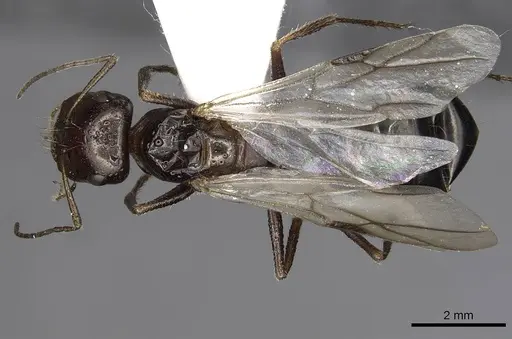
Literatur
Verbreitungskarte wird geladen...Produkte werden geladen...