
Carebara transversalis
- Wiss. Name
- Carebara transversalis
- Tribus
- Crematogastrini
- Unterfamilie
- Myrmicinae
- Autor
- Smith, 1860
- Verbreitung
- In 0 Ländern gefunden
Einleitung
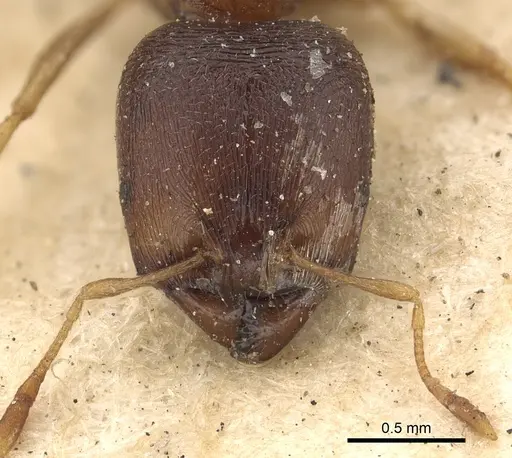
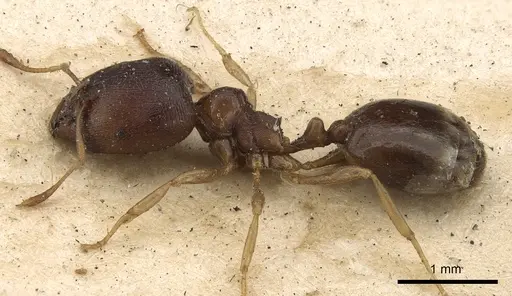
Carebara transversalis is a tiny ant species in the pygmaea species group, native to Sulawesi in Indonesia. Workers are extremely small, with major workers notably larger than minor workers. Originally described in 1860 as Solenopsis transversalis, it was reclassified to Pheidologeton and finally to Carebara in 2014. These ants belong to the Crematogastrini tribe within Myrmicinae. The species is characterized by lacking erect hairs on the head, mesosoma, and first gastral tergite (except three pairs on frontal carinae). The propodeal spine is relatively longer than its base. This species has a smear defense mechanism using a modified stinger. Most biological details remain unconfirmed for this specific species, with information often inferred from related Carebara species.
Quick Summary
- Difficulty: Medium
- Origin & Habitat: Sulawesi, Indonesia (Celebes) in the Indomalaya region. Known distribution includes Sri Lanka, Laos, Thailand, Malaysia, Indonesia, and the Philippines [1][2][3].
- Colony Type: Unconfirmed, colony structure data is unavailable for this specific species.
- Size & Growth:
- Queen: Size data unavailable, no specific measurements exist for this species
- Worker: ~2-4mm, inferred from genus patterns for pygmaea group species
- Colony: Estimated up to several hundred workers based on related species
- Growth: Moderate, inferred from related species in genus
- Development: Estimated 6-8 weeks at optimal temperatures based on genus patterns (Development time inferred from related Carebara species, specific data for C. transversalis is unavailable)
- Antkeeping:
- Temperature: Keep at 24-28°C. These are tropical ants requiring warm, stable conditions. A heating cable on one side of the nest creates a suitable gradient.
- Humidity: High humidity required, aim for 70-80%. Keep the nest substrate consistently moist but not waterlogged. Mist occasionally and ensure a water source is available.
- Diapause: No, as tropical ants from Sulawesi, they do not require a hibernation period. Maintain year-round warm conditions.
- Nesting: Y-tong (AAC) nests or plaster nests work well. These tiny ants need tight chambers and narrow passages scaled to their small size. Naturalistic setups with moist substrate are also suitable.
- Behavior: These are small, non-aggressive ants that are primarily nocturnal or crepuscular. Workers forage for small prey and honeydew. Due to their tiny size, escape prevention is critical, they can squeeze through remarkably small gaps. They possess a smear defense mechanism where they wipe venom onto enemies rather than stinging. Major workers are larger and may help with defense and food processing.
- Common Issues: escape prevention is critical due to their very small size, use fine mesh and tight-fitting lids, high humidity needs can lead to mold if ventilation is poor, slow colony growth may cause keepers to overfeed or disturb the nest too often, tropical species may struggle if temperatures drop below 22°C, wild-caught colonies may contain parasites that can devastate captive colonies
Housing and Nest Setup
Carebara transversalis requires careful housing due to their extremely small size. Y-tong (acrylic aerated concrete) nests or plaster nests work best because they allow you to control humidity levels while providing appropriate chamber sizes. The chambers should be small and tight-fitting, these tiny ants can escape through gaps that would not concern keepers of larger species. Use test tubes for founding colonies, but be prepared to move them to a proper nest once the colony reaches 20-30 workers. For the outworld, keep it simple and easy to clean. Because of their small size, standard barrier methods like fluon may need to be supplemented with fine mesh covers. Ensure the nest has a water chamber or moisture source to maintain humidity.
Feeding and Diet
In the wild, Carebara species typically feed on small insects, honeydew from aphids and scale insects, and various organic matter. For captive colonies, offer a varied diet including sugar water or honey as an energy source, and protein sources like small fruit flies, pinhead crickets, or other tiny insects. Live prey is often preferred, these are predatory ants that will hunt small arthropods. Feed protein sources 2-3 times per week, and keep a constant supply of sugar water or honey available. Remove uneaten food promptly to prevent mold, which is especially problematic in the humid conditions these ants require.
Temperature and Humidity
As tropical ants from Sulawesi, Carebara transversalis requires warm and humid conditions year-round. Maintain temperatures between 24-28°C in the nest area. A slight temperature gradient is beneficial, allow the ants to choose their preferred spot. Use a low-wattage heating cable placed on top of the nest (never under it, as this can dry out the nest too quickly). Humidity should be kept at 70-80%. The nest substrate should feel damp to the touch but never waterlogged. A water tube attached to the nest can help maintain moisture levels. Monitor for condensation, some condensation is normal and indicates good humidity, but excessive moisture can lead to mold problems.
Colony Development and Growth
Carebara transversalis is a slowly developing species, as are most ants in the pygmaea group. The queen will lay eggs after mating and will seal herself in a chamber to raise the first brood. The first workers, called nanitics, will be smaller than normal workers and may take 6-8 weeks to emerge, depending on temperature. After the first workers arrive, the colony will grow more steadily but still moderately. Major workers will appear as the colony matures, these larger workers help with defense and food processing. A mature colony may reach several hundred workers. Be patient with this species, rapid growth should not be expected, and disturbing the nest frequently can cause the queen to stop laying or the colony to abandon the nest.
Handling and Observation
These tiny ants are not dangerous and do not possess a painful sting. They are generally docile and can be observed without significant risk. However, their small size makes detailed observation difficult without magnification. When cleaning the outworld or moving the colony, use gentle movements and avoid crushing workers. Because they are so small, crushed workers can quickly contaminate the nest with alarm pheromones. If you need to move the colony, allow them to evacuate naturally into a connected tube or container rather than forcibly relocating them. Always use excellent escape prevention, these ants can and will find any tiny gap or crack in their enclosure.
Frequently Asked Questions
How long does it take for Carebara transversalis to have first workers?
Expect first workers (nanitics) to emerge in approximately 6-8 weeks after the queen lays eggs, assuming optimal temperatures of 25-28°C. This timeline is estimated based on related Carebara species, as specific development data for C. transversalis is not available.
What do Carebara transversalis ants eat?
They need a varied diet including sugar sources (honey water or sugar water) for energy and protein from small insects like fruit flies, pinhead crickets, or other tiny arthropods. They are predatory and will hunt small live prey.
Do Carebara transversalis ants sting?
These ants are too small to effectively sting humans and are not considered dangerous. They possess a smear defense mechanism where they wipe venom onto enemies rather than stinging.
What temperature do Carebara transversalis ants need?
Keep them warm at 24-28°C year-round. As tropical ants from Sulawesi, they do not tolerate cool temperatures and do not require hibernation.
How big do Carebara transversalis colonies get?
Based on related species, colonies likely reach several hundred workers at maturity. Growth is moderate and gradual, these are not fast-growing ants.
Can I keep Carebara transversalis in a test tube?
Yes, test tubes work well for founding colonies. However, you will need to move them to a proper nest (Y-tong or plaster) once the colony reaches 20-30 workers to provide adequate space and humidity control.
Why are my Carebara transversalis escaping?
Their tiny size allows them to squeeze through remarkably small gaps. Use fine mesh on all openings, apply fluon barriers to smooth surfaces, and ensure all lids fit tightly. Check for any cracks or gaps even smaller than a millimeter.
Are Carebara transversalis good for beginners?
They are rated as medium difficulty. While not aggressive, their small size and specific humidity requirements make them more challenging than larger, more resilient species. They require careful attention to escape prevention and environmental conditions.
Do Carebara transversalis need hibernation?
No. As tropical ants from Sulawesi, Indonesia, they do not require a hibernation period. Maintain warm, stable conditions year-round.
How often should I feed Carebara transversalis?
Provide sugar water or honey constantly, it should always be available. Feed protein (small insects) 2-3 times per week. Remove uneaten prey within 24 hours to prevent mold.
Report an Issue
The current care sheet is based fully on literature. See inconsistencies, or something that's incorrect? Please , it will be resolved after review from an admin. Contributing to the blogs tab also helps providing information, to make us be able to further improve the caresheets. Thank you for your support!
References

Dieses Caresheet ist lizenziert unter CC BY-SA 4.0 .
Community-Blogs
CASENT0901413
Auf AntWeb ansehen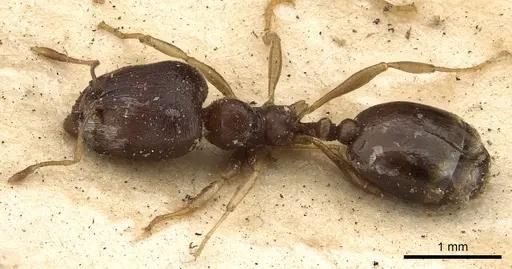
Literatur
Verbreitungskarte wird geladen...Produkte werden geladen...