
Carebara afghana
- Wiss. Name
- Carebara afghana
- Tribus
- Crematogastrini
- Unterfamilie
- Myrmicinae
- Autor
- Pisarski, 1970
- Verbreitung
- In 0 Ländern gefunden
Einleitung
Carebara afghana is a tiny ant species originally described from Afghanistan in the Nengrahar Province near Jalalabad at approximately 600m elevation. The genus Carebara is known for having distinct major and minor worker castes. The species was originally described as Oligomyrmex afghanus in 1970 before being reclassified to Carebara in 2004. The type series includes workers, males, and alate (winged) females . This species inhabits the Palaearctic region of Afghanistan, where it nests in soil or under stones.
Quick Summary
- Difficulty: Unknown, likely Moderate due to limited data on this species
- Origin & Habitat: Native to Afghanistan (Palaearctic region), specifically the Nengrahar Province near Jalalabad at approximately 600m elevation [1][3].
- Colony Type: Colony structure is unconfirmed. The type series includes workers and alate (winged) females, indicating mature colonies produce reproductive alates.
- Size & Growth:
- Queen: Size data unavailable, type series includes alate females but specific measurements not provided [1][2].
- Worker: Size data unavailable, workers are described but specific measurements not provided in the type description [1].
- Colony: Colony size is unconfirmed for this species.
- Growth: Unknown
- Development: Unconfirmed for this species. (Development timeline has not been directly studied for this species.)
- Antkeeping:
- Temperature: Based on the Afghan habitat (continental climate,600m elevation), these ants likely tolerate a range from cool to warm. Start around 20-24°C and observe colony activity.
- Humidity: Afghanistan has arid to semi-arid conditions. Keep nesting area moderately humid with dry areas available.
- Diapause: Unknown, likely yes, given the temperate Afghan distribution.
- Nesting: In nature, they nest in soil or under stones at low elevations in Afghanistan. In captivity, a small test tube setup or Y-tong nest with tight chambers scaled to their tiny size works well.
- Behavior: Carebara ants are generally shy and non-aggressive. Workers are tiny and may be overlooked by predators. They are likely predatory or omnivorous, feeding on small insects and honeydew. Escape prevention is critical due to their very small size, they can squeeze through standard mesh barriers. Use fine mesh and tight-fitting lids. This species has a smear defense mechanism typical of Myrmicinae, a modified, flattened stinger used to wipe venom onto enemies rather than piercing flesh.
- Common Issues: very small size means escapes are likely without fine mesh barriers, limited species-specific care information makes proper husbandry challenging, wild-caught colonies may have parasites that kill them in captivity, test tube setups must be properly sized, too large can stress small colonies
Nest Preferences
Carebara afghana was collected from soil and under stones in the Nengrahar Province of Afghanistan at approximately 600m elevation. The region near Jalalabad has a continental climate with relatively flat terrain. In captivity, provide a small, snug nest chamber scaled to their tiny size. Test tubes with cotton-plugged water reservoirs work well for founding colonies. For established colonies, a small Y-tong nest or a naturalistic setup with moist soil and flat stones for cover works best. The key is providing tight, cozy chambers, these tiny ants feel stressed in large, open spaces. [1][3]
Feeding and Diet
Carebara species are typically omnivorous, feeding on small insects, honeydew, and nectar. In captivity, offer small protein sources like fruit flies, pinhead crickets (killed or very small), and tiny arthropods. Sugar water or honey can be offered occasionally, though acceptance varies. Feed small amounts 2-3 times per week, removing uneaten food promptly to prevent mold. Given their tiny size, prey items should be appropriately scaled.
Temperature and Seasonal Care
This species comes from Afghanistan's Nengrahar Province, which has a continental climate featuring hot summers and cold winters. In captivity, aim for room temperature in the low-to-mid 20s°C (around 20-24°C) as a starting point. A gentle temperature gradient allows ants to choose their preferred zone. During winter, expect reduced activity. [1]
Behavior and Temperament
Carebara ants are generally shy and non-aggressive, avoiding confrontation with larger ants and predators. Workers are tiny and likely forage individually or in small groups rather than forming large raiding parties. Their small size makes them vulnerable, so they probably nest in concealed locations and remain discreet. In captivity, they are unlikely to bite or sting humans, their stingers are too small to penetrate skin. This species has a smear defense mechanism typical of Myrmicinae ants, they use a modified, flattened stinger to wipe or smear venom onto enemies rather than piercing flesh. The primary concern for keepers is escape prevention: their minute size allows them to squeeze through standard mesh barriers. Always use fine mesh and ensure all connections and lids are tight-fitting.
Colony Establishment
The type series for Carebara afghana includes alate (winged) females, indicating these were reproductive queens from established colonies. The original description by Pisarski in 1970 provides the foundational knowledge of this species. When establishing a colony from a wild-caught queen, provide a small test tube with a water reservoir and cotton plug. Place the tube in a quiet, dark location and avoid disturbing the queen during the founding period. Expect the queen to remain sealed in her chamber until her first workers emerge. [1][2]
Frequently Asked Questions
How long does it take for Carebara afghana to produce first workers?
The exact timeline is unconfirmed for this species. Development time varies among Myrmicinae ants, but expect several weeks to a couple months from egg to first worker at optimal temperature (around 20-24°C). The queen will remain sealed in her chamber during this time.
What do Carebara afghana ants eat?
Carebara species are omnivorous, feeding on small insects and honeydew. In captivity, offer small protein sources like fruit flies, tiny crickets, and other micro-prey. Sugar water or honey may be accepted occasionally. Feed small amounts 2-3 times per week and remove uneaten food promptly.
Are Carebara afghana ants dangerous?
No, these tiny ants are not dangerous to humans. Workers are very small and their stingers are far too small to penetrate human skin. They are shy and non-aggressive.
What temperature do Carebara afghana ants need?
Based on their Afghan origin, they likely tolerate a range from cool to warm. Start with room temperature around 20-24°C and observe colony behavior. A gentle temperature gradient allows ants to self-regulate.
Do Carebara afghana ants need hibernation?
Likely yes, given their origin in temperate Afghanistan. The species likely experiences a natural winter rest period in the wild. During winter, provide cooler conditions and reduce feeding.
How big do Carebara afghana colonies get?
Colony size is unconfirmed for this specific species. Colony sizes vary widely among Carebara species.
Can I keep Carebara afghana in a test tube?
Yes, test tubes work well for founding colonies. Use a small test tube with a water reservoir and cotton plug. The key is providing appropriately sized chambers. Once the colony grows, consider moving to a small nest or naturalistic setup.
Why are my Carebara afghana ants escaping?
Escape prevention is critical with this species due to their very tiny size. Standard mesh barriers may not be sufficient. Use fine mesh, ensure all lids and connections are tight-fitting, and check for any gaps.
Is Carebara afghana good for beginners?
This species is not ideal for beginners due to limited species-specific care information and their very small size requiring excellent escape prevention.
Where is Carebara afghana found?
Carebara afghana is native to Afghanistan's Nengrahar Province, specifically found near Jalalabad at approximately 600m elevation. This is in the Palaearctic region. The species was originally described in 1970 as Carebara afghana before being reclassified to Carebara in 2004.
Report an Issue
The current care sheet is based fully on literature. See inconsistencies, or something that's incorrect? Please , it will be resolved after review from an admin. Contributing to the blogs tab also helps providing information, to make us be able to further improve the caresheets. Thank you for your support!
References

Dieses Caresheet ist lizenziert unter CC BY-SA 4.0 .
Community-Blogs
CASENT0911208
Auf AntWeb ansehen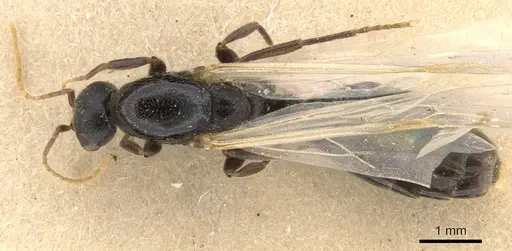
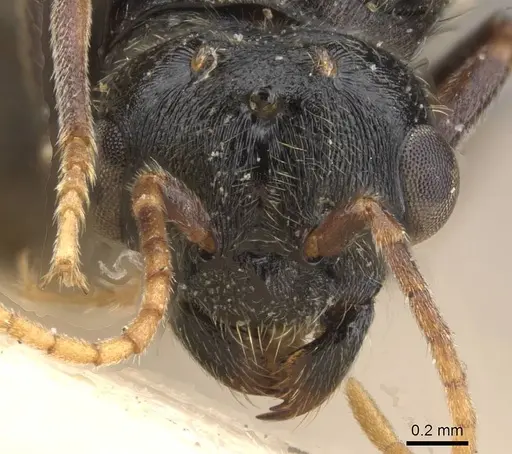
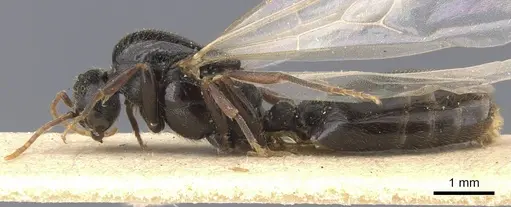
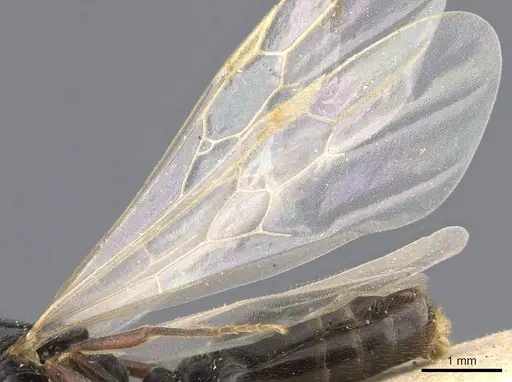
Literatur
Verbreitungskarte wird geladen...Produkte werden geladen...