
Camponotus siemsseni
- Wiss. Name
- Camponotus siemsseni
- Untergattung
- Tanaemyrmex
- Tribus
- Camponotini
- Unterfamilie
- Formicinae
- Autor
- Forel, 1901
- Verbreitung
- In 0 Ländern gefunden
Einleitung
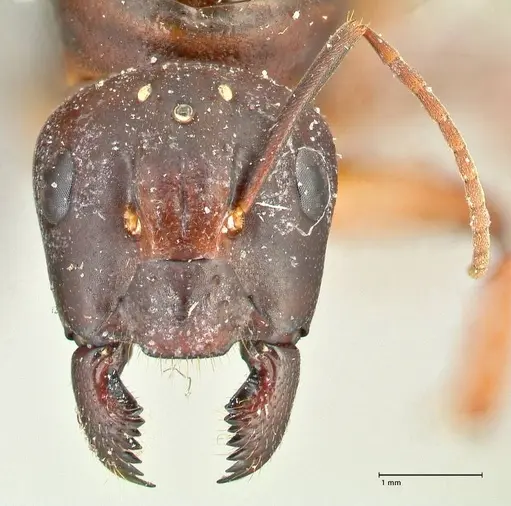
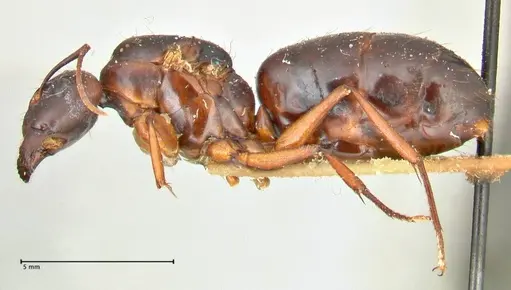
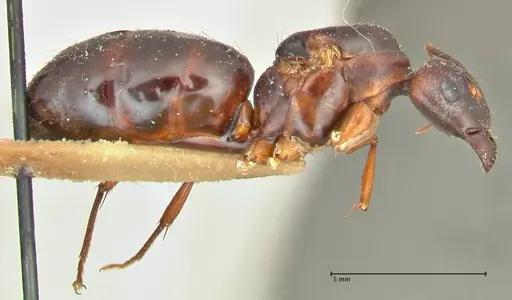
Camponotus siemsseni is a large carpenter ant species found across South and Southeast Asia, from the Himalayan region through Taiwan and into Indonesia. Workers show strong size variation - minors are around 5.5mm while majors can reach 13mm, with queens growing to 15-18mm depending on origin . The species has very sparse erect hairs on its body and the antennal scape of major workers does not reach the occipital margin . This ant inhabits mountainous regions up to 1200 meters elevation in India and has been recorded across diverse locations including Sichuan, Yunnan, Taiwan, and the Himalayas . In certain areas like Bangladesh, it ranks among the top ten most common ant species in primary forests.
Quick Summary
- Difficulty: Medium
- Origin & Habitat: Native to the Himalayan region and Southeast Asia, found in India (Arunachal Pradesh, Himachal Pradesh, Sikkim, Uttarakhand, West Bengal), China (Sichuan, Yunnan), Taiwan, Japan, Thailand, Malaysia, and Indonesia (Sumatra). Inhabits mountainous regions up to 1200 meters elevation, with records from primary forests and Himalayan valleys at 3500 feet [3][4][5][1][2].
- Colony Type: Colony structure is unconfirmed. Based on typical Camponotus patterns, likely single-queen colonies with polymorphic workers.
- Size & Growth:
- Queen: 15-18mm (varies by region, Formosan queens around 15mm, Sumatran around 18mm) [1]
- Worker: 5.5-13mm (minor workers 5.5mm, major workers up to 13mm) [1]
- Colony: Up to several thousand workers, estimated from typical Camponotus colony sizes
- Growth: Moderate, typical for Camponotus genus
- Development: 6-8 weeks (estimated based on typical Camponotus development at 24-26°C) (Development time estimated from genus-level data, direct measurements for this species unavailable)
- Antkeeping:
- Temperature: Keep at 24-26°C. This is a subtropical to temperate mountain species that prefers warmth but not extreme heat. A slight temperature gradient allows workers to regulate. Room temperature within this range works well, or use a heating cable on one side of the nest.
- Humidity: Moderate humidity around 50-60%. Provide a water tube as a moisture source. Being from humid subtropical regions, they appreciate some moisture but avoid waterlogging the nest. A damp substrate works better than overly wet conditions.
- Diapause: Yes, this species originates from temperate mountainous regions and will benefit from a winter rest period. Reduce temperature to 10-15°C for 2-3 months during winter. Do not feed during diapause but ensure some moisture is available.
- Nesting: Y-tong or plaster nests work well. This is a carpenter ant, they can chew through soft materials but won't excavate like some species. Provide narrow chambers scaled to colony size. Naturalistic setups with rotting wood also work since they nest in wood in the wild.
- Behavior: Typical Camponotus temperament, generally calm and not aggressive unless threatened. Workers are moderate foragers, primarily hunting for protein and collecting honeydew. Majors can crack larger prey items. Escape risk is moderate, use standard barriers but they are not particularly adept at escaping compared to smaller species. They are primarily nocturnal or crepuscular foragers. Workers show the typical carpenter ant behavior of defending the nest vigorously if disturbed. As a Formicinae species, they lack a functional sting but can bite and spray formic acid from their acidopore.
- Common Issues: colonies may fail to establish if queen is disturbed during claustral founding, minimize vibrations and light exposure, overheating can kill colonies, avoid temperatures above 30°C, colonies in diapause are vulnerable if humidity drops too low, check moisture periodically, major workers are slow to develop, beginners may think colony has stalled when it's actually normal, wild-caught colonies may carry parasites that cause colony collapse in captivity
Housing and Nest Setup
Camponotus siemsseni does well in Y-tong or plaster formicariums. As a carpenter ant, they don't excavate but will move through pre-made tunnels. Start with a test tube setup for the founding colony, a standard test tube with a water reservoir works perfectly for claustral founding. Once the colony reaches 15-20 workers, you can move them to a small formicarium. Provide an outworld for foraging and a water tube for humidity. The nest chambers should be appropriately sized, too large an empty space can stress the colony. A gradient from 24-26°C in the nest area to slightly cooler in the outworld mimics their natural mountain habitat.
Feeding and Diet
Like most Camponotus species, C. siemsseni is omnivorous. Feed protein sources like mealworms, small crickets, or other insects 2-3 times per week. They also accept sugar water, honey, or diluted maple syrup, this should be available constantly in a sugar feeder. In the wild, they forage for honeydew from aphids and hunt small invertebrates. For a founding colony, a small drop of honey or sugar water every few days is sufficient alongside occasional small prey items. As the colony grows, increase food quantity accordingly. Remove uneaten prey after 24-48 hours to prevent mold.
Temperature and Seasonal Care
This species comes from temperate to subtropical mountainous regions, so they prefer warm conditions but not extreme heat. Keep the nest at 24-26°C for optimal brood development. During winter, provide a diapause period, reduce temperature to 10-15°C for 2-3 months. This mimics their natural seasonal cycle and helps maintain colony health. Do not feed during diapause but ensure access to a small moisture source. Avoid temperatures above 30°C as this can be fatal. A heating cable on one side of the nest can create a useful gradient, but always provide unheated areas so workers can regulate their temperature.
Colony Development and Growth
Camponotus siemsseni shows typical claustral founding behavior, the queen seals herself in a chamber and survives on stored fat reserves while raising the first brood. First workers (nanitics) are typically smaller than normal workers. Development from egg to worker takes approximately 6-8 weeks at optimal temperature, though this is estimated from genus-level data as specific measurements for this species are not available. Colonies grow moderately, major workers appear as the colony expands, providing the characteristic dimorphic worker caste. Patience is key during the founding phase as the first few months can seem slow.
Behavior and Handling
These ants are generally calm and not prone to biting or stinging unless the nest is directly threatened. Workers are competent foragers and will readily hunt prey or collect sugar sources. The major workers have powerful mandibles and can deliver a nip if handled roughly, but they are not aggressive toward keepers. Escape prevention should be moderate, while not as small as some species, they can still escape through gaps. Use standard barrier methods like fluon on test tube rims. They are primarily active during evening and night hours, so you may see more activity in the evening feeding window.
Frequently Asked Questions
How long does it take for Camponotus siemsseni to produce first workers?
Expect first workers (nanitics) in 6-8 weeks at 24-26°C. This is estimated from typical Camponotus development, specific timing for this species hasn't been documented. The queen will remain sealed in her chamber until workers emerge.
What temperature do Camponotus siemsseni ants need?
Keep nest temperature at 24-26°C. This subtropical mountain species prefers warmth but not extreme heat. Avoid temperatures above 30°C. A slight gradient allows workers to self-regulate.
Do Camponotus siemsseni ants need hibernation?
Yes, this species benefits from a winter diapause. Reduce temperature to 10-15°C for 2-3 months during winter. This mimics their natural habitat in the Himalayan region and helps maintain colony health. Do not feed during this period.
What do Camponotus siemsseni ants eat?
They are omnivorous. Feed protein (insects like mealworms, crickets) 2-3 times per week and provide constant access to sugar water or honey. They will also collect honeydew in captivity if aphids are available.
How big do Camponotus siemsseni colonies get?
Colony size is estimated at several thousand workers based on typical Camponotus patterns. Specific data for this species is not available. Major workers can reach 13mm, with queens growing to 15-18mm.
Are Camponotus siemsseni ants good for beginners?
This is a medium-difficulty species. They are more forgiving than tropical species but require attention to temperature and seasonal diapause. The claustral founding phase requires patience, avoid disturbing the queen. Once established, they are relatively straightforward to maintain.
Can I keep multiple Camponotus siemsseni queens together?
No. This is likely a single-queen species based on typical Camponotus colony structure. Combining unrelated queens will result in fighting. Only keep one queen per colony.
When should I move my colony to a formicarium?
Move from test tube to a small formicarium once the colony reaches 15-30 workers. Ensure the new nest has appropriately sized chambers, too large spaces can stress small colonies. Y-tong or plaster nests work well.
Why is my Camponotus siemsseni colony not growing?
Check temperature (should be 24-26°C), ensure the queen is alive and producing brood, and verify humidity is adequate. Colonies naturally grow slowly during founding, the first months require patience. If the queen appears dead or the colony is stagnant for months, there may be an issue with conditions.
Report an Issue
The current care sheet is based fully on literature. See inconsistencies, or something that's incorrect? Please , it will be resolved after review from an admin. Contributing to the blogs tab also helps providing information, to make us be able to further improve the caresheets. Thank you for your support!
References

Dieses Caresheet ist lizenziert unter CC BY-SA 4.0 .
Community-Blogs
CASENT0910289
Auf AntWeb ansehen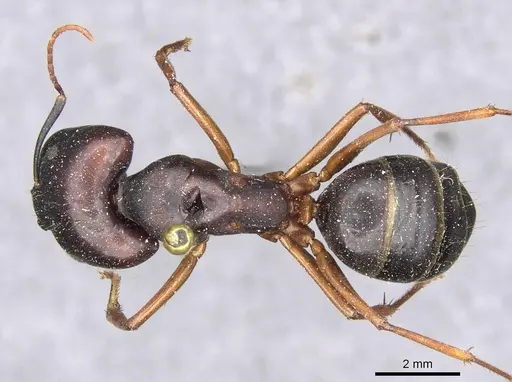
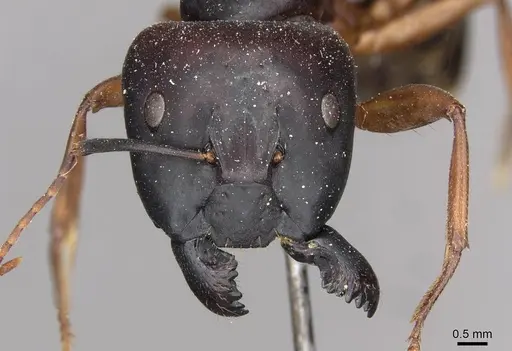
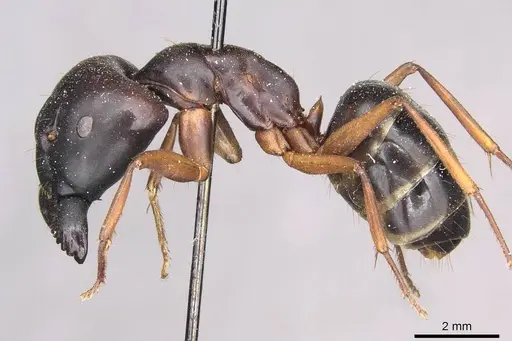
FOCOL2450
Auf AntWeb ansehen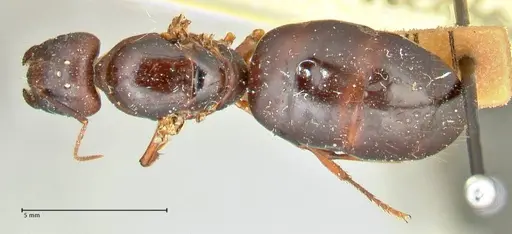
Literatur
Verbreitungskarte wird geladen...Produkte werden geladen...