
Camponotus fayfaensis
- Wiss. Name
- Camponotus fayfaensis
- Untergattung
- Myrmotrema
- Tribus
- Camponotini
- Unterfamilie
- Formicinae
- Autor
- Collingwood, 1985
- Verbreitung
- In 0 Ländern gefunden
Einleitung
Camponotus fayfaensis is a carpenter ant species native to the Arabian Peninsula, described from Saudi Arabia and subsequently recorded in Yemen and the United Arab Emirates. Workers come in two sizes: major workers (larger) and minor workers (smaller), typical of the genus Camponotus. The species was collected among trees along the coastal belt in Yemen and in wadi (valley) habitats like Wadi Safad in the UAE. This is a relatively rare species in the antkeeping hobby with limited documented information about its specific care requirements.
Quick Summary
- Difficulty: Medium
- Origin & Habitat: Native to the Arabian Peninsula, Saudi Arabia, Yemen, and United Arab Emirates. Found among trees along the coastal belt in Yemen and in wadi (valley) habitats [1][2][3][4].
- Colony Type: Unconfirmed. Colony structure has not been specifically documented for this species.
- Size & Growth:
- Queen: Size data unavailable, inferred from Camponotus genus patterns (~12-16mm)
- Worker: Size data unavailable, inferred from Camponotus genus patterns (major workers ~8-10mm, minor workers ~5-7mm)
- Colony: Unknown, no specific data available for this species
- Growth: Unknown
- Development: Unknown, no species-specific data available (Development time is inferred from typical Camponotus patterns. Warmer temperatures within the safe range may accelerate development.)
- Antkeeping:
- Temperature: Keep nest area at 24-28°C. Based on its Arabian Peninsula origin, this species prefers warm conditions but can tolerate room temperature (20-24°C). Provide a gentle temperature gradient so ants can self-regulate.
- Humidity: Low to moderate humidity. This is a desert/semi-arid species adapted to dry conditions. Keep nest substrate slightly moist but allow it to dry between waterings. Avoid excessive moisture which can cause mold in arid-adapted species.
- Diapause: Unknown for this specific species. Arabian species may have different seasonal patterns compared to temperate Camponotus. Observe colony behavior in winter, if they become less active, reduce temperature to 15-18°C for 2-3 months.
- Nesting: In nature, they likely nest in soil under stones or in rotting wood in wadi valleys. For captivity, a Y-tong (AAC) nest or plaster nest works well. Provide a test tube setup for founding colonies with a water reservoir. Ensure chambers are appropriately sized, major workers need larger tunnels than minor workers.
- Behavior: Typical Camponotus temperament, generally calm and not aggressive unless their nest is threatened. Workers are moderately active foragers. Major workers can deliver a bite if handled roughly. Escape risk is moderate, use standard barrier methods (Fluon on rim edges). This species is not known for being particularly escape-prone compared to smaller ants.
- Common Issues: limited availability in the antkeeping hobby, may be difficult to find, wild-caught colonies may have parasites or diseases that are hard to treat, overheating risk, being from a warm region, they tolerate heat but direct sunlight or heating pads set too high can kill colonies, arid-adapted species prone to mold problems if kept too moist, slow founding phase, claustral queens seal themselves in and there may be no visible activity for months, leading some keepers to check the queen prematurely and disturb the nest
Nest Preferences and Setup
Camponotus fayfaensis originates from the Arabian Peninsula where it nests in semi-arid environments. In captivity, they do well in Y-tong (AAC) nests or plaster nests that allow for some humidity control. For founding colonies, a simple test tube setup with a water reservoir works well, fill the test tube about 1/3 with water, stuff cotton to create a dry chamber, then place the queen in the dry area. The queen will seal herself into a chamber and remain there until her first workers emerge. Avoid nests that retain too much moisture, this species is adapted to drier conditions and excess humidity can lead to mold problems. Provide a shallow outworld area for foraging that is easy to clean. [1][3][4]
Feeding and Diet
Like other Camponotus species, these ants are omnivorous. They accept sugar sources readily, a drop of honey water or sugar water should be provided at all times. For protein, offer small insects like fruit flies, small crickets, or mealworms. In the wild, they likely forage for honeydew from aphids and scale insects, plus small arthropods. Feed them a few times per week, remove uneaten prey after 24-48 hours to prevent mold. Major workers will tackle larger prey items while minor workers focus on sugar sources and smaller items. Observe your colony's preferences and adjust feeding frequency accordingly. [4]
Temperature and Seasonal Care
Being from Saudi Arabia, Yemen, and the UAE, this species prefers warm conditions. Keep the nest area at 24-28°C for optimal brood development. Room temperature (20-24°C) is acceptable but may slow growth slightly. A small heating cable or heating mat on one side of the nest can create a temperature gradient, place it on top of the nest, not underneath, to avoid excessive drying. During winter, observe your colony's activity level. If they become less active, you can reduce temperatures to 15-18°C for a winter rest period of 2-3 months. However, since this is an Arabian species, they may not require strong hibernation, some keepers successfully keep them active year-round with modest temperature reductions. [1][2][4]
Colony Founding and Early Development
Queens are likely claustral, they seal themselves into a chamber and do not leave to forage during founding. The queen relies on her stored fat reserves to survive and raise the first brood. This means you should not disturb a founding queen or offer food until the first workers (nanitics) emerge, typically after several weeks depending on temperature. The founding chamber should be dark and quiet. Once nanitics appear, you can begin offering tiny amounts of sugar water and small prey items. The colony will grow slowly at first as the queen focuses on producing more workers. Be patient, Camponotus colonies can take several months to reach 10-20 workers, then growth accelerates as the colony establishes. [4]
Behavior and Temperament
Camponotus fayfaensis has a typical carpenter ant temperament, they are generally calm and non-aggressive toward keepers. Workers go about their tasks methodically without the panic response seen in some more nervous species. Major workers can deliver a mild bite if threatened or handled roughly, but they are not particularly aggressive. The colony will establish foraging trails in the outworld and workers will communicate the location of food sources to nestmates. This species is moderately active and interesting to watch. Escape prevention should be adequate but not extreme, they are not known for being particularly escape-prone like some tiny species. Standard barrier methods like Fluon on container rims work well. [4]
Frequently Asked Questions
How long does it take for Camponotus fayfaensis to produce first workers?
Expect first workers (nanitics) to emerge in several weeks after the queen lays eggs, assuming optimal temperature (around 25-27°C). This is typical for Camponotus species. The queen is likely claustral, she seals herself in and lives off stored fat reserves, so there will be no visible activity until the first workers appear.
What do Camponotus fayfaensis ants eat?
They are omnivorous. Provide a constant sugar source (honey water or sugar water) and protein a few times per week (small insects like fruit flies, pinhead crickets, or mealworms). Remove uneaten prey after 24-48 hours to prevent mold.
What temperature is best for Camponotus fayfaensis?
Keep nest temperature at 24-28°C. This species originates from the warm Arabian Peninsula and prefers these conditions. Room temperature (20-24°C) is acceptable but may slow growth slightly.
Do Camponotus fayfaensis need hibernation?
It depends on your colony's behavior. Since this species comes from a warm region, strong hibernation may not be required. If your colony slows down in winter, you can reduce temperatures to 15-18°C for 2-3 months. Some keepers keep them active year-round with just a modest temperature reduction.
How big do Camponotus fayfaensis colonies get?
Colony size data is unavailable for this species. Based on typical Camponotus patterns, mature colonies may reach several hundred workers. Growth is moderate.
Can I keep multiple Camponotus fayfaensis queens together?
Colony type (single or multiple queen) is unconfirmed for this species. Combining unrelated queens is not recommended as they will likely fight. In nature, only one queen typically establishes each colony.
What humidity level do Camponotus fayfaensis need?
Low to moderate humidity. This is a desert/semi-arid species adapted to dry conditions. Keep the nest substrate slightly moist but allow it to dry between waterings. Avoid excessive moisture which causes mold problems in arid-adapted species.
Is Camponotus fayfaensis good for beginners?
This is a medium-difficulty species. They are more forgiving than some tropical species but require attention to humidity (not too moist) and temperature (warm). Their slow founding phase requires patience. If you have kept other Camponotus species successfully, this one should be manageable.
When should I move Camponotus fayfaensis to a formicarium?
Wait until the colony has at least 20-30 workers and is actively foraging in the outworld. Moving too early can stress the colony. A test tube setup works well for founding colonies, transfer to a proper nest once the colony is established and growing.
Report an Issue
The current care sheet is based fully on literature. See inconsistencies, or something that's incorrect? Please , it will be resolved after review from an admin. Contributing to the blogs tab also helps providing information, to make us be able to further improve the caresheets. Thank you for your support!
References

Dieses Caresheet ist lizenziert unter CC BY-SA 4.0 .
Community-Blogs
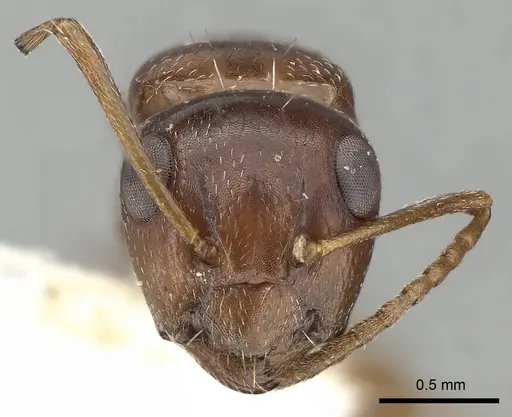
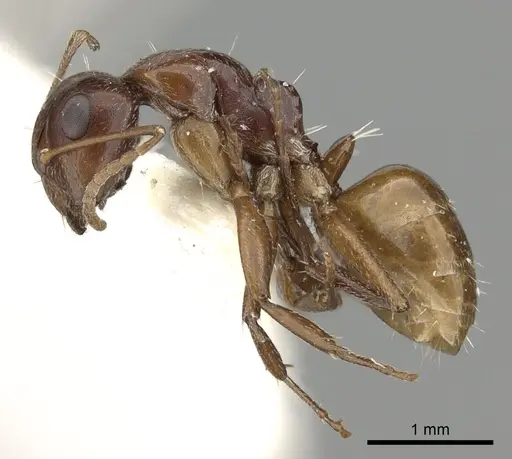
CASENT0249851
Auf AntWeb ansehen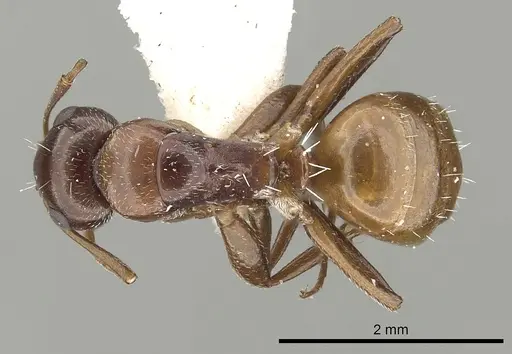
Literatur
Verbreitungskarte wird geladen...Produkte werden geladen...