
Camponotus abrahami
- Wiss. Name
- Camponotus abrahami
- Untergattung
- Myrmentoma
- Tribus
- Camponotini
- Unterfamilie
- Formicinae
- Autor
- Forel, 1913
- Verbreitung
- In 0 Ländern gefunden
Einleitung
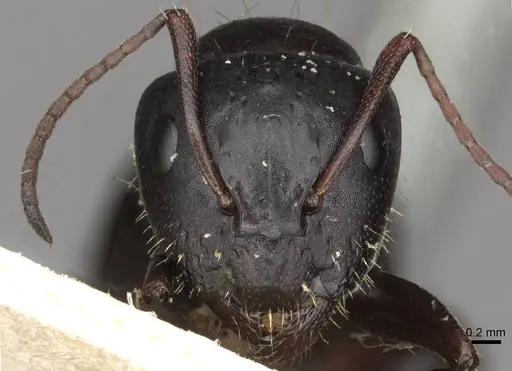
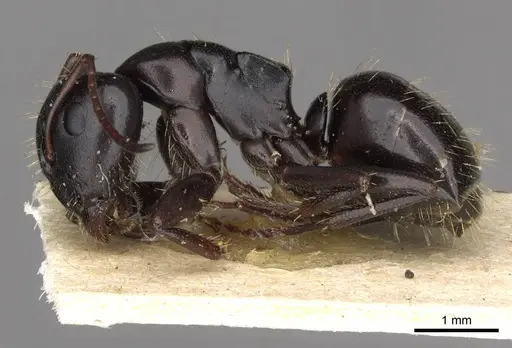
Camponotus abrahami is a medium-sized ant belonging to the Camponotus lateralis species group, native to the Middle East. This species is distinguished from its close relative Camponotus piceus by its notably thinner petiole scale. Workers have delicately sculpted and shiny integuments. Queens and workers display the typical Camponotus coloration pattern with a dark body and lighter appendages. This species is found in Lebanon and Turkey, inhabiting mountainous regions at elevations ranging from 650m to 2000m .
Quick Summary
- Difficulty: Medium
- Origin & Habitat: Native to the Middle East, specifically found in Lebanon and Turkey. The species inhabits mountainous regions at elevations ranging from 650m to 2000m, with specimens collected in areas like Kfarhim (650m), Aalmat (1100m), Sannine (2000m), and Qob Elias in the Béqaa valley. First recorded in Turkey at 1043m altitude in Diyarbakır-Ergani [1][2][3].
- Colony Type: Colony structure is unconfirmed, typical Camponotus patterns suggest single-queen colonies, but no specific documentation exists for this species.
- Size & Growth:
- Queen: size data unavailable, inferred from Camponotus genus (~9-12mm)
- Worker: size data unavailable, inferred from Camponotus genus (~4-8mm)
- Colony: Maximum colony size is unconfirmed for this species
- Growth: Moderate
- Development: 6-8 weeks at optimal temperature (inferred from Camponotus genus patterns) (Development time follows typical Camponotus patterns, exact timeline for this specific species has not been directly studied)
- Antkeeping:
- Temperature: Keep at 22-26°C. Based on its Middle Eastern mountain habitat at 650-2000m elevation, this species can tolerate cooler conditions than typical tropical ants. A heating cable on one side of the nest creates a suitable gradient.
- Humidity: Moderate humidity requirements. Provide a moist nest chamber but avoid waterlogging. The species naturally occurs in mountainous regions with varied moisture conditions.
- Diapause: Yes, based on temperate/mountain origin. Provide a winter rest period of 8-12 weeks at 10-15°C during winter months.
- Nesting: Y-tong (AAC) nests or plaster nests work well. Provide narrow chambers scaled to worker size. The species naturally nests in soil or under stones in mountainous areas.
- Behavior: Generally calm and non-aggressive for a Camponotus species. Workers are moderately active foragers, primarily nocturnal or crepuscular in their foraging patterns, which is typical of the genus. They are not known to be particularly defensive and rarely sting. This species lacks a functional sting, instead, workers bite the target and spray formic acid from an acidopore into the wound. Escape prevention should be moderate, while not among the smallest ants, they are agile and can climb smooth surfaces.
- Common Issues: limited availability in the antkeeping hobby, this is a rarely kept species, slow colony establishment compared to more common Camponotus species, hibernation failure if temperatures are not properly managed, potential escape through small gaps despite moderate size, limited information makes troubleshooting more challenging
Nest Preferences and Housing
Camponotus abrahami adapts well to standard antkeeping setups. Y-tong (AAC) nests provide excellent visibility and work well for this species. Plaster nests also suit them, providing the moderate humidity they need. The key is matching chamber size to worker size, these ants are not tiny, so standard Camponotus-sized passages work fine. Avoid overly large, open spaces that can stress the colony. In nature, they nest in soil cavities and under stones in mountainous Middle Eastern habitats, so a naturalistic setup with some soil area for foraging mimics their natural conditions. Test tube setups work for founding colonies and can be transitioned to formicaria once the colony reaches 20-30 workers. [1][2][3]
Feeding and Diet
Like other Camponotus species, Camponotus abrahami is omnivorous. They readily accept sugar sources including honey water and sugar water solutions. Protein is essential for brood development, offer small insects like fruit flies, small mealworms, or cricket pieces. In the wild, they forage for honeydew from aphids and scavenge small arthropods. Feed protein-rich foods 2-3 times per week, and keep a sugar source available at all times. Remove uneaten prey after 24-48 hours to prevent mold. Workers will typically recruit nestmates to larger food discoveries through chemical trails.
Temperature and Seasonal Care
Maintain nest temperatures between 22-26°C for optimal brood development. This species originates from mountainous Middle Eastern regions (650-2000m elevation), suggesting they can tolerate cooler conditions than typical tropical ants. During summer, room temperature is often sufficient. A heating cable placed on part of the nest can help maintain warmth if needed. Winter diapause is essential, reduce temperatures to 10-15°C for 8-12 weeks during winter months. This rest period supports colony health and mimics natural seasonal cycles. Do not feed during deep hibernation but ensure some moisture is available. [1][3]
Colony Development and Growth
As a claustral species, the queen seals herself in a chamber and raises the first brood alone without foraging. She uses stored fat reserves and metabolic energy to produce eggs, feed larvae, and maintain the nest. First workers (nanitics) typically emerge smaller than mature workers and help expand the colony. Growth rate is moderate, expect 6-8 weeks from egg to first worker at optimal temperature. After that, colony growth accelerates as more workers are produced. Patience is key with this species, as they establish more slowly than some faster-growing ants.
Behavior and Temperament
Camponotus abrahami displays typical Camponotus temperament, generally peaceful and manageable. Workers are not particularly aggressive. This species lacks a functional sting, instead, workers bite the target and spray a stream of concentrated formic acid from an acidopore into the wound, which is the standard defense mechanism for the Formicinae subfamily. Foraging activity tends to be crepuscular or nocturnal, which is common in the genus. They use chemical recruitment to alert nestmates to food discoveries. The species is not known for escape artistry at the level of smaller ants, but standard barrier methods (fluon on rim edges) still apply. Colonies are moderately active once established, with workers patrolling foraging areas and tending to brood.
Frequently Asked Questions
How long does it take for Camponotus abrahami to produce first workers?
Expect first workers (nanitics) to emerge in 6-8 weeks after the queen lays eggs, assuming optimal temperatures around 24-26°C. This follows typical Camponotus development patterns, as the exact timeline for this specific species has not been directly documented.
Is Camponotus abrahami good for beginners?
This species is rated as Medium difficulty, making it suitable for keepers with some experience. While not as challenging as parasitic or highly specialized species, the limited available information and slower growth compared to common species means beginners may face more troubleshooting challenges.
What temperature do Camponotus abrahami need?
Keep them at 22-26°C in the nest area. A slight temperature gradient is beneficial, warm side around 26°C, cooler side around 22°C. They can tolerate some variation due to their mountain habitat origins at 650-2000m elevation.
Do Camponotus abrahami need hibernation?
Yes, they require a winter diapause. Reduce temperatures to 10-15°C for 8-12 weeks during winter. This mimics their natural seasonal cycle in the mountainous Middle Eastern regions where they originate.
How big do Camponotus abrahami colonies get?
Maximum colony size is unconfirmed for this species. Based on related species in the lateralis group, colonies may reach several hundred workers over several years.
Can I keep multiple Camponotus abrahami queens together?
Colony structure is unconfirmed for this species. Typical Camponotus patterns suggest single-queen colonies, but this has not been documented. Combining unrelated queens is not recommended.
What do Camponotus abrahami eat?
They accept sugar sources (honey water, sugar water) and protein (small insects like fruit flies, mealworms, crickets). Feed protein 2-3 times per week and keep sugar water available constantly.
When should I move Camponotus abrahami to a formicarium?
Move from test tube to formicarium when the colony reaches 20-30 workers. Ensure the new setup has appropriately sized chambers and continues to provide adequate humidity.
Where is Camponotus abrahami found in the wild?
This species is native to the Middle East, specifically Lebanon and Turkey. It inhabits mountainous regions at elevations between 650m and 2000m, including Kfarhim, Aalmat, Sannine, and Qob Elias [1][2][3].
Report an Issue
The current care sheet is based fully on literature. See inconsistencies, or something that's incorrect? Please , it will be resolved after review from an admin. Contributing to the blogs tab also helps providing information, to make us be able to further improve the caresheets. Thank you for your support!
References

Dieses Caresheet ist lizenziert unter CC BY-SA 4.0 .
Community-Blogs
CASENT0910439
Auf AntWeb ansehen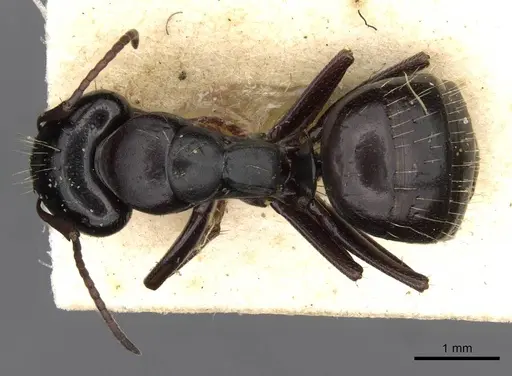
Literatur
Verbreitungskarte wird geladen...Produkte werden geladen...