
Calyptomyrmex singalensis
- Wiss. Name
- Calyptomyrmex singalensis
- Tribus
- Crematogastrini
- Unterfamilie
- Myrmicinae
- Autor
- Baroni Urbani, 1975
- Verbreitung
- In 0 Ländern gefunden
Einleitung
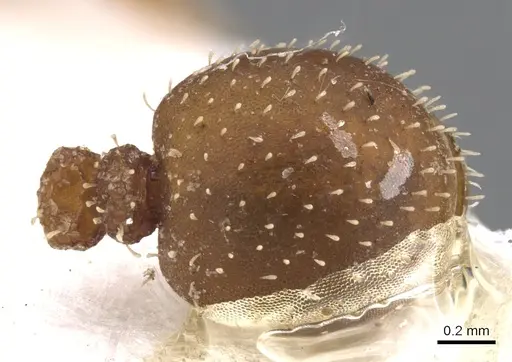
Calyptomyrmex singalensis is a small, cryptic myrmicine ant endemic to Sri Lanka. Workers are light-brown with distinctive morphological features including a round petiolar node in profile, sparse setae on the dorsal body surface, and a petiolar node that is wider than the postpetiole in dorsal view . The genus Calyptomyrmex belongs to the subfamily Myrmicinae and tribe Crematogastrini, characterized by a smear defense mechanism where a flattened spatu late stinger wipes venom onto enemies rather than piercing flesh. These ants are typically found in leaf litter, rotting wood, or under stones in forested habitats.
Quick Summary
- Difficulty: Hard
- Origin & Habitat: Sri Lanka (Indomalaya Region), endemic to the island, found in forested areas in central and eastern regions [1][2]
- Colony Type: Unconfirmed, colony structure has not been documented in scientific literature
- Size & Growth:
- Queen: size data unavailable, no documented measurements exist for this species
- Worker: ~3-4 mm, inferred from Calyptomyrmex genus patterns for small cryptic ants
- Colony: Unknown, likely small (under 200 workers) based on typical litter-dwelling ant ecology
- Growth: Unknown
- Development: Unknown, development has not been studied for this species (Development time is unconfirmed. Small tropical Myrmicinae typically develop in 4-8 weeks at warm temperatures, but this is not verified for C. singalensis.)
- Antkeeping:
- Temperature: Keep at 24-28°C, based on Sri Lanka's tropical climate. Monitor colony activity and adjust as needed.
- Humidity: Maintain moderate to high humidity. Keep the nest substrate consistently moist but not waterlogged. As a cryptic leaf-litter species, they prefer damp conditions.
- Diapause: No diapause required, Sri Lanka has a tropical climate with year-round warmth. Slight seasonal slowing may occur during cooler months.
- Nesting: In nature, they nest in leaf litter, rotting wood, or under stones in forest habitats [2]. In captivity, use a naturalistic setup with moist substrate, small chambers, and minimal disturbance. Test tubes with cotton may work for founding colonies.
- Behavior: Behavior is poorly documented. Calyptomyrmex species are generally cryptic, slow-moving, and non-aggressive. They are likely nocturnal or crepuscular foragers that search for small prey and honeydew. Workers are small (~3-4mm), so escape prevention is important, use standard barriers. The smear defense mechanism means they may attempt to wipe venom rather than sting.
- Common Issues: lack of documented care information makes successful keeping challenging, wild-caught colonies may be difficult to locate and establish, slow growth may lead to keeper impatience and overfeeding, cryptic nature means they may remain hidden, making activity hard to observe, humidity balance is uncertain, too wet or too dry could be fatal, extreme escape risk due to small worker size, ensure barriers are secure, no established captive breeding protocols exist
Species Identification and Morphology
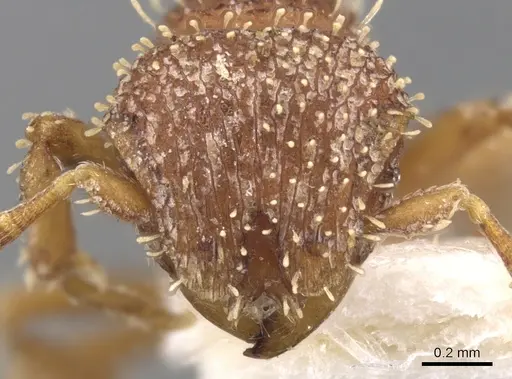
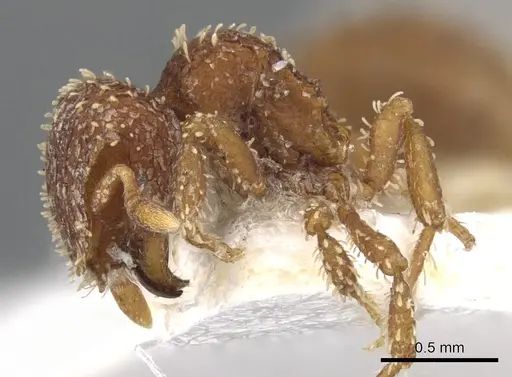
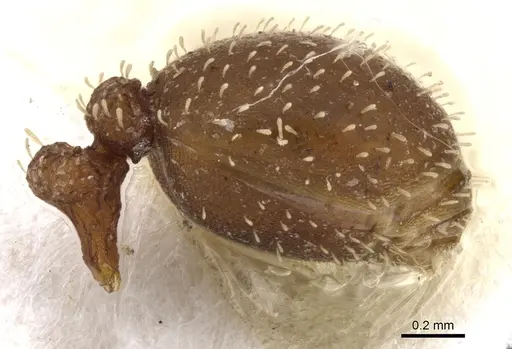
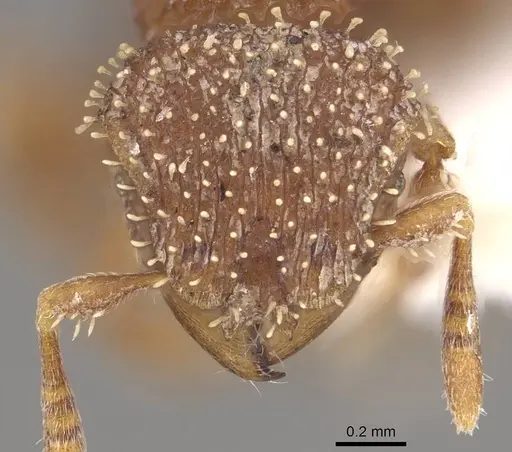
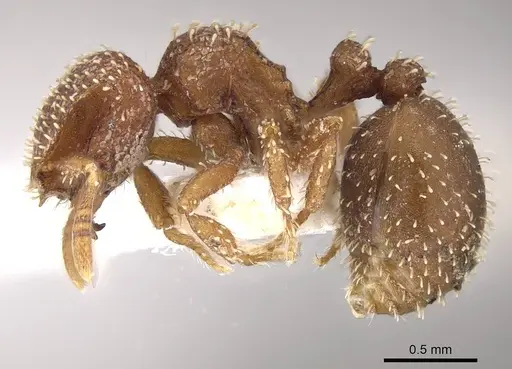
Calyptomyrmex singalensis can be identified by several distinctive features: the petiolar node is round in profile view and wider than the postpetiole when viewed from above. The body has sparse, thin setae on the dorsal surface, and the propodeal dorsal face lacks spatular setae on most of its area. Thin, spatular setae are present on the anterior half of the first gastral sternite. Workers are light-brown in color [1]. This is a small ant species, though exact measurements have not been documented in available literature.
Distribution and Habitat
This species is endemic to Sri Lanka, known only from the island's forested regions. Type specimens were collected from Kantala in eastern Sri Lanka and Inginiyagala in the Uva province [1][2]. The genus Calyptomyrmex is typically found in moist forest habitats, often in leaf litter, under stones, or in rotting wood. Sri Lanka's climate is tropical, with year-round temperatures in the 25-30°C range and high humidity, especially in forested areas.
Defense Mechanism
Calyptomyrmex singalensis belongs to the subfamily Myrmicinae and tribe Crematogastrini. Members of this tribe possess a modified, flattened spatulate stinger used to wipe or smear venom onto enemies rather than piercing flesh. This is a smear-type defense mechanism common to many Crematogastrini ants.
Known Biology and Behavior
Direct biological studies on Calyptomyrmex singalensis do not exist. The genus Calyptomyrmex as a whole contains cryptic ants that are not commonly encountered, even in their native habitats. They are likely omnivorous, feeding on small insects, honeydew, and possibly nectar. Workers are probably slow-moving and non-aggressive, foraging individually or in small groups. The colony size is unknown but likely small, as is typical for cryptic litter-dwelling ants.
Challenges in Captive Care
Calyptomyrmex singalensis presents significant challenges for antkeepers due to the complete lack of documented captive care information. No established protocols exist for keeping this species, and successful breeding in captivity has not been reported. The primary challenges include: establishing a colony (they are rarely collected), determining appropriate temperature and humidity ranges, understanding their dietary needs, and providing appropriate nesting conditions. Prospective keepers should be prepared for experimental care and should document their observations carefully to contribute to the knowledge base for this species.
Frequently Asked Questions
How do I care for Calyptomyrmex singalensis ants?
Care requirements are not documented. Based on the genus and Sri Lankan origin, provide a naturalistic setup with moist substrate, temperatures around 24-28°C, and moderate to high humidity. Offer small protein sources (fruit flies, pinhead crickets) and sugar water. This species is extremely rare in captivity and should be considered experimental.
What do Calyptomyrmex singalensis eat?
Diet is unconfirmed for this species. Based on typical Calyptomyrmex behavior, they likely accept small live prey (micro-arthropods, fruit flies) and may tend aphids for honeydew. Offer small protein sources and occasional sugar water, but acceptance is uncertain.
How long does it take for Calyptomyrmex singalensis to develop from egg to worker?
Development time is unknown, no studies exist on this species.
Are Calyptomyrmex singalensis good for beginners?
No. This species is not recommended for beginners or even experienced antkeepers due to the complete lack of documented care information. There are no established protocols for keeping this ant successfully. Consider starting with better-documented Sri Lankan species or more common Myrmicinae.
Do Calyptomyrmex singalensis ants sting?
Sting capability is unconfirmed. Calyptomyrmex are small cryptic ants and are not known for aggressive behavior. The tribe Crematogastrini uses a smear defense mechanism rather than a painful sting. Given their small size, any venom transfer would likely be mild.
Where can I get Calyptomyrmex singalensis?
This species is extremely rare in the antkeeping hobby. It is endemic to Sri Lanka and is not commonly collected. Wild-caught colonies would need to be sourced from Sri Lanka directly, which presents significant logistical and legal challenges.
What size colony do Calyptomyrmex singalensis reach?
Colony size is unknown. Based on typical Calyptomyrmex ecology as cryptic litter-dwelling ants, colonies are likely small, probably under 200 workers at maturity.
Do Calyptomyrmex singalensis need hibernation?
Diapause is not required. Sri Lanka has a tropical climate with year-round warmth, so hibernation is not necessary. However, slight seasonal slowing may occur during cooler months.
Can I keep multiple Calyptomyrmex singalensis queens together?
Colony structure is unconfirmed. No data exists on whether this species is monogyne (single queen) or polygyne (multiple queens). Combining unrelated queens is not recommended due to lack of information.
What is the best nest type for Calyptomyrmex singalensis?
Nest type is unconfirmed. Based on natural history, a naturalistic setup with moist substrate, small chambers, and hiding places would be appropriate. Test tubes may work for founding colonies. Avoid disturbing the colony frequently.
Report an Issue
The current care sheet is based fully on literature. See inconsistencies, or something that's incorrect? Please , it will be resolved after review from an admin. Contributing to the blogs tab also helps providing information, to make us be able to further improve the caresheets. Thank you for your support!
References

Dieses Caresheet ist lizenziert unter CC BY-SA 4.0 .
Community-Blogs
CASENT0900993
Auf AntWeb ansehen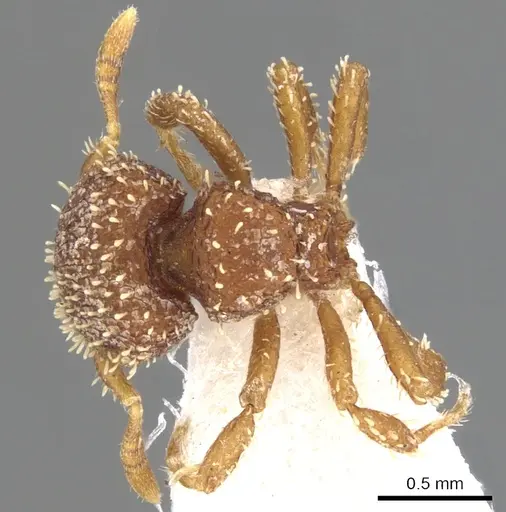
CASENT0911132
Auf AntWeb ansehen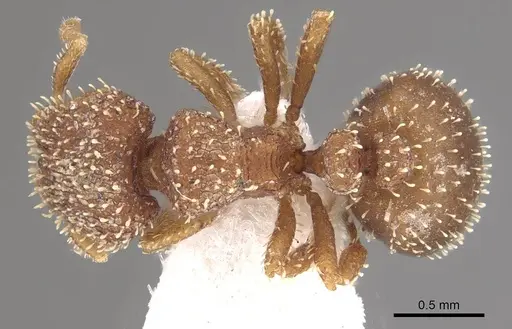
Literatur
Verbreitungskarte wird geladen...Produkte werden geladen...