
Bothriomyrmex salsurae
- Wiss. Name
- Bothriomyrmex salsurae
- Tribus
- Bothriomyrmecini
- Unterfamilie
- Dolichoderinae
- Autor
- Donisthorpe, 1944
- Verbreitung
- In 0 Ländern gefunden
Einleitung
Bothriomyrmex salsurae is a small ant species native to North Africa, specifically documented in Algeria . Workers are tiny ants - exact measurements are unavailable for this species, but the genus Bothriomyrmex typically contains species in the 2-4mm range. They belong to the Dolichoderinae subfamily and are known for their rapid, erratic movement patterns. This species inhabits the warm, semi-arid to arid regions of North Africa, adapting to Mediterranean and Saharan fringe climates.
Quick Summary
- Difficulty: Unknown, limited data available
- Origin & Habitat: North Africa (Algeria), warm, semi-arid to arid Mediterranean and Saharan fringe regions [1]
- Colony Type: Unconfirmed colony structure, Bothriomyrmex species are often temporary social parasites of Tapinoma species, but specific colony structure for B. salsurae is not documented [2]
- Size & Growth:
- Queen: Size data unavailable, inferred from genus Bothriomyrmex patterns (~4-5mm)
- Worker: Size data unavailable, inferred from genus Bothriomyrmex patterns (~2-4mm)
- Colony: Unknown, no colony size data available for this species
- Growth: Unknown, no development data available
- Development: Estimated 6-8 weeks based on typical Dolichoderinae development at warm temperatures [2] (Development timeline is estimated from genus patterns, no direct species-specific data available)
- Antkeeping:
- Temperature: Estimated 22-28°C based on North African origin, provide warm conditions with a slight gradient [2]
- Humidity: Low to moderate, typical of arid-adapted species, allow substrate to dry between waterings [2]
- Diapause: Unknown, no documented overwintering requirements, but likely minimal or no dormancy given North African origin
- Nesting: Natural nesting habits unconfirmed, likely prefers dry, sheltered microhabitats like under stones or in shallow soil cavities in warm areas [2]
- Behavior: Behavior is not specifically documented for this species, but Bothriomyrmex ants are known for their characteristic rapid, erratic movement patterns [2]. They are typically not aggressive toward keepers but can be quick escapers due to their small size. Escape prevention should be taken seriously. Many Bothriomyrmex species are temporary social parasites that invade Tapinoma colonies, if this behavior applies to B. salsurae, it would affect colony founding dynamics [2].
- Common Issues: limited species-specific data makes care recommendations uncertain, escape prevention is critical due to tiny worker size, temporary social parasitism may affect founding, research host requirements, no documented development timeline requires careful observation, wild-caught colonies may have unknown health issues
Species Background and Distribution
Bothriomyrmex salsurae is documented primarily from Algeria in North Africa [1]. This places it in a region with a warm Mediterranean to semi-arid climate. The species name 'salsurae' may indicate association with saline environments, though this is not confirmed. The genus Bothriomyrmex contains approximately 40 species distributed across tropical and warm temperate regions, with many species in Africa and the Mediterranean. They are members of the Dolichoderinae subfamily, which includes other well-known ants like Tapinoma and Linepithema. The limited distribution data for B. salsurae suggests it may have a more restricted range than some related species [2].
Identification and Appearance
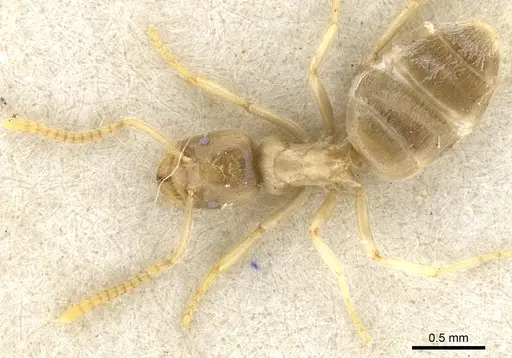
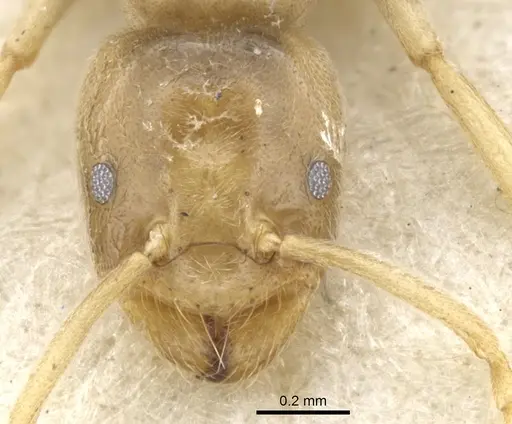
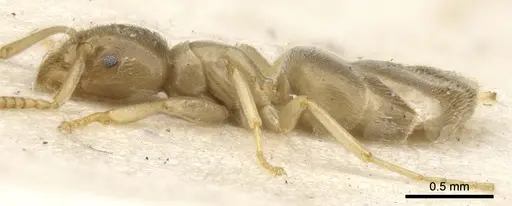
Bothriomyrmex ants are small, typically measuring 2-4mm for workers based on genus patterns. They are characterized by their rapid, erratic movement patterns. The genus name literally means 'furrow ant' referring to distinctive head sculpturing. Workers of B. salsurae would be expected to show typical genus characteristics: small size, possibly pale to reddish-brown coloration, and the characteristic Dolichoderine body plan with a single node (petiole) between the thorax and abdomen. Queens would be larger, likely in the 4-5mm range, and may have wings prior to mating. Positive identification often requires microscopic examination of morphological features [2].
Housing and Nesting
Given the North African origin of this species, housing should reflect warm, relatively dry conditions. A test tube setup works well for founding colonies, with the ability to upgrade to a small formicarium as the colony grows. Because of their tiny size, escape prevention is critical, use fine mesh barriers and ensure any connections between outworld and nest are secure. Provide a shallow water source and small prey items. The species likely prefers nesting in protected, warm microhabitats. A small Y-tong or plaster nest with narrow chambers would be appropriate as the colony develops. Avoid overly humid conditions, allow the nest to dry partially between waterings [2].
Feeding and Diet
Specific feeding data for Bothriomyrmex salsurae is not available, but the genus is typically omnivorous like other Dolichoderinae ants. They likely consume honeydew from aphids and scale insects, along with small insects and other protein sources. Offer sugar water or honey as an energy source, and small live prey such as fruit flies, pinhead crickets, or mealworm pieces. Feed protein sources 2-3 times per week and keep a sugar source available constantly. Remove uneaten prey after 24 hours to prevent mold issues. Due to their small size, prey items should be appropriately sized, very small insects or pre-killed portions work well [2].
Temperature and Seasonal Care
Based on the Algerian distribution, this species likely prefers warm conditions in the range of 22-28°C. Provide a temperature gradient so ants can self-regulate. A heating cable on one side of the nest can help maintain warmth if room temperature is insufficient. North African species may have reduced activity during cooler months but likely do not require true hibernation. Monitor colony behavior, if workers become less active, slightly reduce temperatures but maintain above room temperature. Avoid temperatures below 18°C for extended periods. Humidity should be kept low to moderate, these are not rainforest ants [2].
Colony Development and Growth
Colony development timeline for Bothriomyrmex salsurae is not documented. Based on typical Dolichoderinae development, expect 6-8 weeks from egg to worker at optimal warm temperatures. Founding colonies may grow slowly at first as the queen raises the first brood alone. The first workers (nanitics) will be smaller than mature workers. Growth rate depends on feeding success and temperature stability. Many Bothriomyrmex species are temporary social parasites of Tapinoma ants during colony founding, if this behavior applies to B. salsurae, successful founding may require presence of a host colony. This aspect requires further research for this specific species [2].
Frequently Asked Questions
How long does it take for Bothriomyrmex salsurae to produce first workers?
The exact timeline is not documented for this species. Based on typical Dolichoderinae development at warm temperatures (24-27°C), expect approximately 6-8 weeks from egg to first worker. This is an estimate, actual timing may vary.
What temperature do Bothriomyrmex salsurae ants need?
Based on their North African origin, keep them warm at approximately 22-28°C. A slight temperature gradient allows the colony to self-regulate. Avoid temperatures below 18°C for extended periods.
Are Bothriomyrmex salsurae ants difficult to keep?
Care difficulty cannot be determined due to limited species-specific data. They are likely manageable for intermediate antkeepers. The main challenges are escape prevention due to their tiny size and the lack of documented care information.
How big do Bothriomyrmex salsurae colonies get?
Maximum colony size is not documented for this species. Related Bothriomyrmex species typically form colonies ranging from dozens to a few hundred workers. Expect moderate colony growth over time.
What do Bothriomyrmex salsurae ants eat?
They are likely omnivorous like other Dolichoderinae ants. Offer small protein sources (fruit flies, small insects, mealworm pieces) and sugar sources (honey water, sugar water). Feed protein 2-3 times per week with constant access to sugar.
Can I keep multiple Bothriomyrmex salsurae queens together?
Colony structure (monogyne vs polygyne) is not documented for this species. Without specific data, combining unrelated queens is not recommended as aggression may occur.
Do Bothriomyrmex salsurae need hibernation?
Hibernation requirements are not documented. Given their North African origin, they likely do not require true hibernation. They may show reduced activity in cooler months but should be kept warm (above 18°C) year-round.
Why are my Bothriomyrmex salsurae escaping?
Their small size makes them excellent escapers. Use fine mesh (0.5mm or smaller), secure lids, and barrier tape (fluon) on edges. Check all connections between nest and outworld for gaps.
Is Bothriomyrmex salsurae a good species for beginners?
This species is not recommended for beginners due to limited documented care information and their tiny size requiring excellent escape prevention. Start with more common, better-documented species if you are new to antkeeping.
Report an Issue
The current care sheet is based fully on literature. See inconsistencies, or something that's incorrect? Please , it will be resolved after review from an admin. Contributing to the blogs tab also helps providing information, to make us be able to further improve the caresheets. Thank you for your support!
References

Dieses Caresheet ist lizenziert unter CC BY-SA 4.0 .
Community-Blogs
CASENT0903025
Auf AntWeb ansehen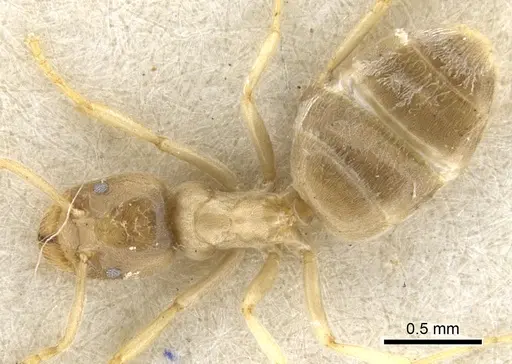
Literatur
Verbreitungskarte wird geladen...Produkte werden geladen...