
Azteca iheringi
- Wiss. Name
- Azteca iheringi
- Tribus
- Leptomyrmecini
- Unterfamilie
- Dolichoderinae
- Autor
- Forel, 1915
- Verbreitung
- In 0 Ländern gefunden
Einleitung
Azteca iheringi is a small Dolichoderinae ant native to southeastern Brazil, specifically the Minas Gerais region. Workers are modest in size, with the typical Azteca body plan featuring a relatively slender build and dark coloration. This species belongs to the Leptomyrmecini tribe, which includes many arboreal and semi-arboreal ants. The type locality was originally recorded as São Paulo but has been corrected to Pirapora, Minas Gerais, where specimens were collected in June 1912 . Like other Azteca species, these ants are likely arboreal or semi-arboreal nesters, potentially associated with vegetation in the Brazilian savanna and forest edge habitats. The genus Azteca is known for aggressive colony defense - workers secrete defensive chemical compounds from a slit-like opening at the tip of the abdomen since Dolichoderinae lack a functional sting. This species remains poorly studied in the scientific literature, with limited biological data available beyond its geographic distribution.
Quick Summary
- Difficulty: Medium
- Origin & Habitat: Native to southeastern Brazil, specifically Pirapora, Minas Gerais in the Neotropical region. Found in tropical savanna and forest edge habitats. [1][2]
- Colony Type: Colony structure is unconfirmed. Many Azteca species are polygynous (multiple queens) but specific data for A. iheringi is lacking.
- Size & Growth:
- Queen: Size data unavailable for this species, inferred from Azteca genus patterns (~6-8mm)
- Worker: Size data unavailable, inferred from Azteca genus patterns (~3-4mm)
- Colony: Unknown for this species, likely reaches several hundred to over a thousand workers based on genus patterns
- Growth: Moderate, based on typical Azteca development
- Development: Estimated 6-10 weeks based on related Dolichoderinae species at optimal temperatures (Direct development data unavailable for this species, estimate based on genus-level patterns for tropical Azteca)
- Antkeeping:
- Temperature: Keep at 24-28°C. Tropical species requiring warm, stable conditions. A heating cable on one side of the nest creates a gentle gradient.
- Humidity: Moderate humidity around 60-80%. Provide a moist nest substrate but ensure ventilation prevents stagnation. Mist occasionally to maintain moisture.
- Diapause: Unlikely, as a tropical species from southeastern Brazil, they probably do not require a diapause period. Keep at stable temperatures year-round.
- Nesting: Arboreal or semi-arboreal nesting preferences. In captivity, a Y-tong (AAC) nest or plaster nest with small chambers works well. Provide climbing structures and twigs. Natural nests are likely in hollow stems, under bark, or in carton structures attached to vegetation.
- Behavior: Azteca ants are known for being aggressive and will defend their nests vigorously. Workers use chemical defense, they secrete defensive compounds from a slit-like opening at the tip of the abdomen since Dolichoderinae lack a functional sting. Workers are active foragers, typically arboreal in their foraging patterns. Escape prevention should be good, while not the smallest ants, they are agile and will explore gaps.
- Common Issues: tropical species requires consistent warmth, cold drafts can stress or kill colonies, limited biological data means care is based on genus-typical patterns rather than species-specific research, arboreal nesting preferences may not be met by standard test tube setups, provide climbing structures, aggressive defense means frequent disturbance can lead to elevated stress and defensive behavior, humidity control is important, too dry causes desiccation, too wet causes mold problems
Natural History and Distribution
Azteca iheringi is endemic to southeastern Brazil, specifically the state of Minas Gerais. The type locality was originally recorded as São Paulo but has been corrected through recent taxonomic work to Pirapora, Minas Gerais [1]. The species was described by Forel in 1915 based on worker specimens collected in June 1912 [2].
The genus Azteca contains over 80 described species, all native to the Neotropics. These ants are typically found in association with vegetation in tropical and subtropical forests, often nesting in hollow stems, under bark, or in specialized structures they construct. Many Azteca species have mutualistic relationships with plants, particularly Cecropia trees where they act as plant-ants, protecting the tree from herbivores in exchange for shelter and sometimes food bodies.
The specific habitat preferences of A. iheringi are not well documented, but the region around Pirapora in Minas Gerais consists of tropical savanna (Cerrado) and seasonal forest habitats. This suggests the species tolerates seasonal variation in temperature and humidity, though likely to a lesser degree than temperate species.
Nest Preferences and Housing
Azteca ants are primarily arboreal or semi-arboreal, meaning they naturally nest above ground level in vegetation, hollow stems, or under bark. In captivity, you'll need to replicate these conditions rather than using a simple test tube setup.
A Y-tong (AAC) nest or plaster nest works well for this species. The chambers should be appropriately sized for small workers, not too large, as these ants prefer cozy spaces. Provide multiple connected chambers rather than one large open area. Include small twigs, pieces of bark, or other climbing structures within the outworld so workers can forage naturally.
Because they are arboreal, ensure the nest has some vertical space or provide branches/twigs leading into the foraging area. The nest material should retain moisture well but also allow for some evaporation to prevent mold. A small water tube or moisture reservoir connected to the nest helps maintain humidity.
Escape prevention is important, while not the smallest ants, they are agile and will explore any gaps. Use standard barrier methods like fluon on the rim of the outworld.
Feeding and Diet
Like other Azteca species, A. iheringi is likely omnivorous with a preference for protein-rich foods. In the wild, these ants are typically predatory and also tend honeydew-producing insects like aphids and scale insects.
In captivity, offer a varied diet: protein sources such as small crickets, mealworms, fruit flies, or other small insects should be provided regularly, roughly twice weekly. Sugar sources are also important, offer sugar water, honey, or diluted honey water in a small container. Change sugar sources every few days to prevent fermentation.
Fresh water should always be available. Remove uneaten prey after 24-48 hours to prevent mold. The exact dietary preferences of A. iheringi specifically have not been studied, so monitor what your colony accepts best and adjust accordingly.
Temperature and Seasonal Care
As a tropical species from southeastern Brazil, Azteca iheringi requires warm conditions year-round. Keep the nest area at 24-28°C, with a slight gradient allowing workers to choose their preferred temperature. A heating cable placed on one side of the nest can provide this gradient.
Avoid temperatures below 20°C for extended periods, as this species is not adapted to cool conditions. Room temperature in a heated home is often suitable, but monitor during winter if your heating fluctuates. Unlike temperate species, they do not require a winter diapause, maintain consistent temperatures throughout the year.
Humidity should be moderate, around 60-80%. The nest substrate should feel damp but not waterlogged. Mist the nest occasionally and ensure the water tube is filled. Good ventilation is important to prevent stagnant air and mold growth, but avoid placing the nest in direct airflow from fans or air conditioning units.
Behavior and Colony Dynamics
Azteca ants are known for their aggressive colony defense. Workers will defend by biting and secreting defensive chemical compounds, as Dolichoderinae ants lack a functional sting. The secretions can irritate skin and deter predators.
Colony structure in Azteca is often polygynous (multiple queens), though this specific trait has not been documented for A. iheringi. Colonies likely grow to several hundred or more workers over time. Queens are probably somewhat larger than workers and may live for several years.
Workers are active foragers, typically moving along vegetation and branches in the wild. In captivity, they will explore the outworld actively, searching for food. They likely use chemical trails to guide nestmates to food sources, a common behavior in the genus. Expect moderate activity levels with workers moving between the nest and foraging areas throughout the day.
Frequently Asked Questions
How long does it take for Azteca iheringi to produce first workers?
The exact timeline is unconfirmed for this species, but based on typical Azteca and Dolichoderinae development, expect first workers (nanitics) approximately 6-10 weeks after the queen lays eggs, assuming optimal temperatures around 26°C. This is an estimate, actual timing may vary.
Can I keep Azteca iheringi in a test tube setup?
A standard test tube setup is not ideal for this species. Azteca ants are arboreal and prefer climbing structures. A Y-tong (AAC) nest, plaster nest, or naturalistic setup with twigs and branches works better. If you must use a test tube for founding, transition to a more appropriate nest once the colony reaches 20-30 workers.
Do Azteca iheringi need hibernation?
No, this is a tropical Brazilian species and does not require hibernation or winter diapause. Keep temperatures stable year-round in the 24-28°C range. Cold temperatures can stress or kill this species.
How big do Azteca iheringi colonies get?
Colony size is not documented specifically for this species, but Azteca colonies typically reach several hundred to over a thousand workers. Expect moderate growth over several years with a healthy, well-fed colony.
What do Azteca iheringi eat?
Like other Azteca species, they are omnivorous. Offer protein sources like small insects (crickets, mealworms, fruit flies) roughly twice weekly, and provide constant access to sugar water or honey. They likely also tend honeydew-producing insects in the wild.
Is Azteca iheringi good for beginners?
This species is rated as Medium difficulty. While not the most challenging ant, the limited species-specific information and their tropical requirements (warmth, humidity, arboreal nesting) make them better suited for keepers with some experience. Beginners should ensure they can maintain warm, stable conditions year-round.
Can I keep multiple Azteca iheringi queens together?
Colony structure is unconfirmed for this specific species. Many Azteca species are polygynous (multiple queens), but combining unrelated foundress queens has not been documented for A. iheringi. It is not recommended to attempt combining queens unless you have specific information about this species' tolerance for pleometrosis.
Why are my Azteca iheringi dying?
Common causes include: temperatures below 20°C (cold stress), too dry conditions (desiccation), too wet conditions (mold), or poor nutrition. Review your temperature, humidity, and feeding regimen. Also check for escape-related deaths or stress from excessive disturbance. This species has limited documented care information, so careful observation is key.
When should I move Azteca iheringi to a formicarium?
Move the colony when it reaches roughly 30-50 workers and the test tube setup becomes cramped. Azteca prefer nests with small chambers and climbing structures. A Y-tong or plaster nest with multiple chambers works well. Make the transition gradually by connecting the formicarium to the outworld and allowing workers to explore before moving the queen.
Report an Issue
The current care sheet is based fully on literature. See inconsistencies, or something that's incorrect? Please , it will be resolved after review from an admin. Contributing to the blogs tab also helps providing information, to make us be able to further improve the caresheets. Thank you for your support!
References

Dieses Caresheet ist lizenziert unter CC BY-SA 4.0 .
Community-Blogs
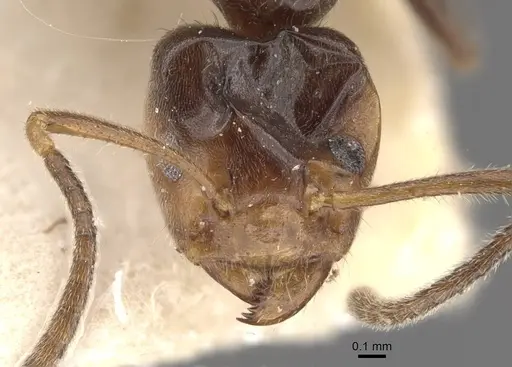
CASENT0909641
Auf AntWeb ansehen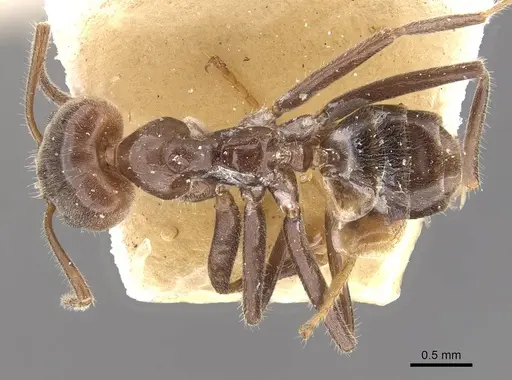
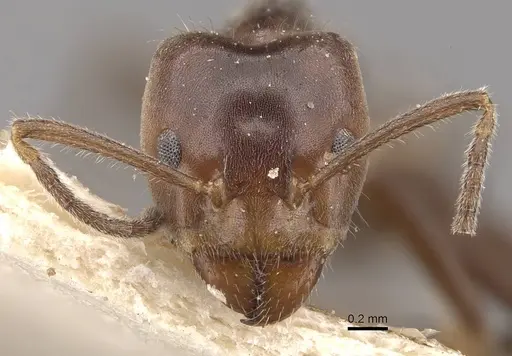
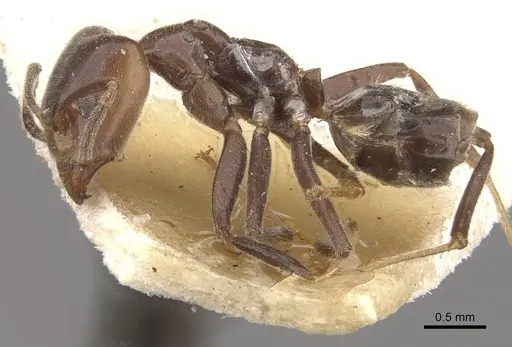
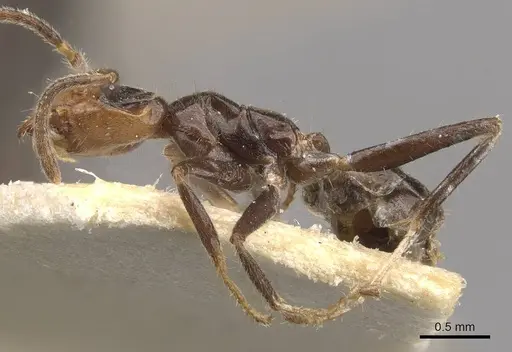
CASENT0909642
Auf AntWeb ansehen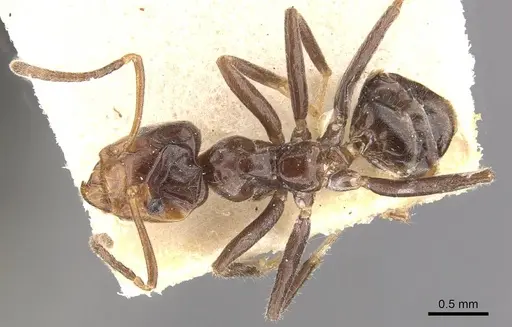
Literatur
Verbreitungskarte wird geladen...Produkte werden geladen...