
Aenictus luteus
- Wiss. Name
- Aenictus luteus
- Unterfamilie
- Dorylinae
- Autor
- Emery, 1892
- Verbreitung
- In 0 Ländern gefunden
Einleitung
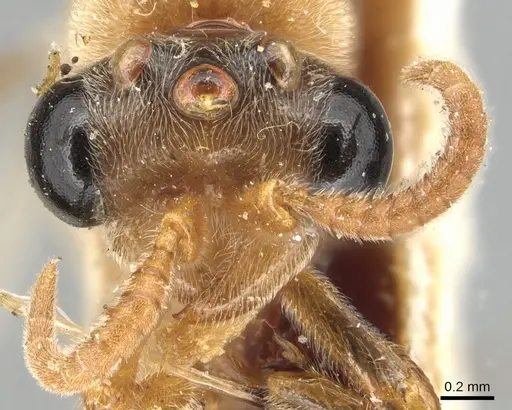
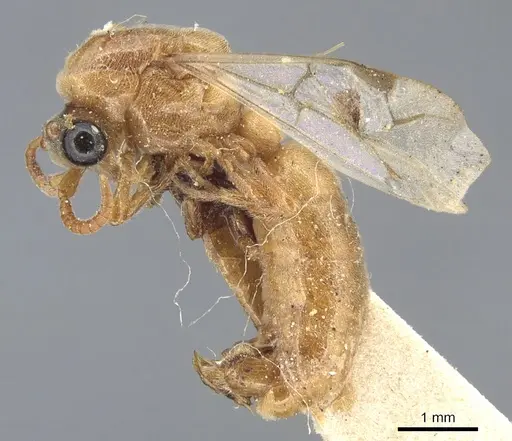
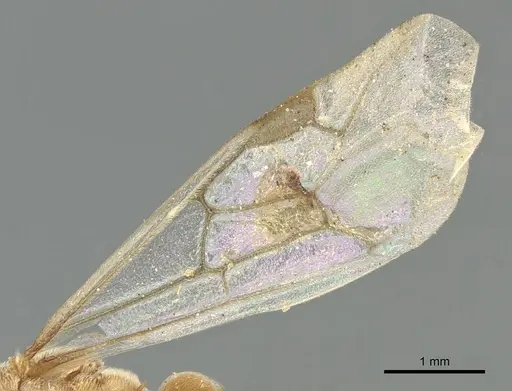
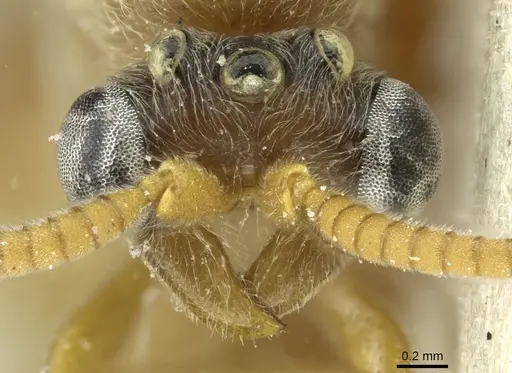
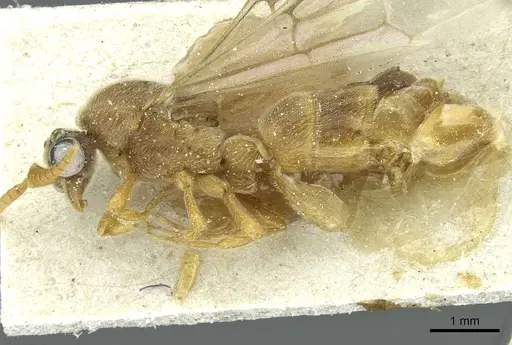
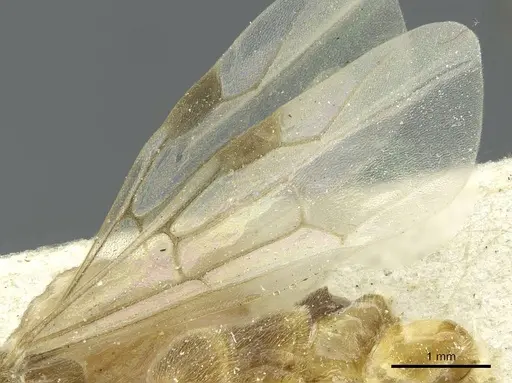
Aenictus luteus is an army ant species known from West Africa, with historical records from Koulouba in Mali (formerly French Sudan) and the Gold Coast region of Ghana . This species is known only from museum specimens - the worker holotype was collected in Mali, while males were described from Ghana. No biological observations have been published for this species, making captive care information entirely speculative. Aenictus is a specialized army ant genus, but without species-specific data, any care recommendations would be based on general genus patterns rather than confirmed requirements for A. luteus.
Quick Summary
- Difficulty: Expert
- Origin & Habitat: West Africa, recorded from Mali (Koulouba) and Ghana (Gold Coast) [1][2]. Specific habitat preferences are unstudied.
- Colony Type: Unconfirmed, colony structure data is unavailable for this species. General Aenictus patterns suggest multiple wingless queens may occur, but this is not confirmed for A. luteus.
- Size & Growth:
- Queen: Size data unavailable, no measurements exist for A. luteus queens.
- Worker: Size data unavailable, no measurements exist for A. luteus workers.
- Colony: Colony size data unavailable for this species.
- Growth: Growth rate data unavailable.
- Development: Development timeline data unavailable. (No species-specific development data exists.)
- Antkeeping:
- Temperature: Temperature requirements unconfirmed, inferred from West African origin to require warm conditions, but specific needs are unknown.
- Humidity: Humidity requirements unconfirmed for this species.
- Diapause: Diapause requirements unconfirmed, likely not needed based on tropical origin, but not studied.
- Nesting: Nesting behavior unconfirmed. General Aenictus species form temporary bivouacs, but this is not documented for A. luteus.
- Behavior: Behavior is unconfirmed for this species. General Aenictus are predatory army ants, but specific temperament, escape risk, and foraging behavior of A. luteus are unknown.
- Common Issues: no species-specific care information exists, all recommendations would be speculative., this species is virtually unknown in antkeeping and may not be kept by hobbyists., obtaining a colony would require field collection in West Africa with proper permits., standard antkeeping equipment is unsuitable for army ant biology, but specific requirements for this species are unstudied.
Distribution and Historical Records
Aenictus luteus is known from extremely limited records. The worker holotype was collected at Koulouba in Mali (then French Sudan) [1]. Males were described from the Gold Coast, which corresponds to modern Ghana [2]. These records from the late 19th and mid-20th centuries represent the entirety of known specimens. No modern records or field studies exist for this species, and its current distribution, habitat preferences, and conservation status are unknown. Any antkeeping recommendations for this species would be entirely speculative.
What We Don't Know - The Data Gap
This caresheet represents a significant challenge: there is essentially no published biological data for Aenictus luteus. We have locality records for museum specimens, but nothing about colony structure, queen behavior, worker morphology measurements, temperature tolerance, humidity needs, diet preferences, or any aspect of their natural history. The draft attempted to infer care requirements from general Aenictus genus patterns, but doing so would be misleading. Without species-specific data, responsible antkeeping guidance cannot be provided.
General Aenictus Biology - Not Species-Specific
While we cannot confirm Aenictus luteus-specific biology, general Aenictus traits are documented in literature. The genus contains army ants known for predatory behavior on other social insects. However, extrapolating general genus biology to this specific species would be speculative. Any claims about colony fission, bivouac formation, queen numbers, or worker behavior for A. luteus specifically are unconfirmed and should not be treated as care requirements.
Why This Species Is Not Recommended for Antkeeping
There are no established protocols for keeping Aenictus luteus. Unlike well-studied ant species with published care guides, this species has no documentation of successful captive maintenance. Even if general army ant husbandry techniques exist, applying them to an unstudied species would be experimental and likely to fail. For these reasons, Aenictus luteus should not be a target species for antkeepers, including experts.
Acquisition and Legal Considerations
Acquiring Aenictus luteus would require field collection in Mali or Ghana with appropriate research and export permits. This species is not available through commercial ant trade. Given the complete lack of captive care information and the legal complexities of West African collection, there is no pathway to responsible antkeeping of this species. We strongly recommend focusing on better-documented species instead.
Temperature and Climate - Speculative
Based solely on the West African origin of known specimens [1][2], one might infer tropical temperature requirements, but this is not confirmed for A. luteus. Specific thermal preferences, humidity needs, and seasonal behavior patterns are completely unstudied. Any temperature recommendations would be guesswork, not evidence-based care.
Frequently Asked Questions
Can I keep Aenictus luteus in a test tube?
We cannot provide guidance on housing this species. No captive care information exists, and any setup would be entirely experimental with no expected success.
What do Aenictus luteus eat?
Diet data is unavailable for this species. General Aenictus are predatory on other social insects, but specific prey preferences for A. luteus are unstudied.
How do I start an Aenictus luteus colony from a queen?
Colony founding behavior is unconfirmed for this species. There is no documented method for establishing captive colonies.
Are Aenictus luteus good for beginners?
No antkeeping information exists for this species, making it completely unsuitable for anyone. Even expert antkeepers should not attempt this species due to the complete lack of biological data and established care protocols.
Do Aenictus luteus need hibernation?
Diapause requirements are unconfirmed. The West African origin suggests a tropical climate without winter [1][2], but specific seasonal behavior is unstudied.
How big do Aenictus luteus colonies get?
Colony size data is unavailable for this species. No observations of wild or captive colony sizes exist in literature.
Do Aenictus luteus ants sting?
Sting data is unavailable for this species. General Aenictus workers have mandibles for prey capture, but species-specific defensive mechanisms are unstudied.
Why did my Aenictus luteus colony die?
We cannot explain colony death because no one has documented successful captive maintenance of this species. Any attempt to keep them would be unprecedented.
Can I keep multiple Aenictus luteus colonies together?
Social behavior data is unavailable for this species. General Aenictus colony interactions are unstudied for A. luteus.
Where can I buy Aenictus luteus?
This species is not available through commercial ant trade. No breeders or suppliers offer Aenictus luteus, and no established captive populations exist.
Report an Issue
The current care sheet is based fully on literature. See inconsistencies, or something that's incorrect? Please , it will be resolved after review from an admin. Contributing to the blogs tab also helps providing information, to make us be able to further improve the caresheets. Thank you for your support!
References

Dieses Caresheet ist lizenziert unter CC BY-SA 4.0 .
Community-Blogs
CASENT0903758
Auf AntWeb ansehen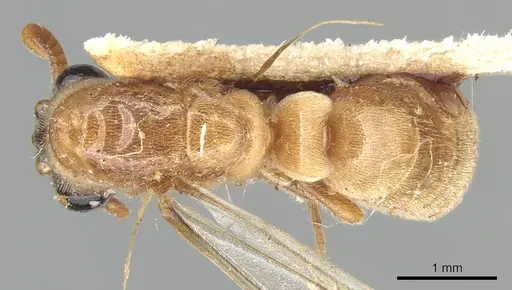
CASENT0911432
Auf AntWeb ansehen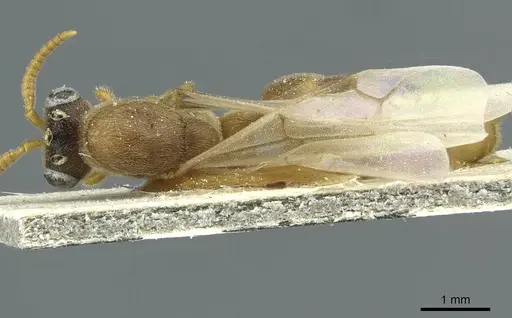
Literatur
Verbreitungskarte wird geladen...Produkte werden geladen...