
Aenictus fuscovarius
- Wiss. Name
- Aenictus fuscovarius
- Unterfamilie
- Dorylinae
- Autor
- Gerstäcker, 1859
- Verbreitung
- In 0 Ländern gefunden
Einleitung
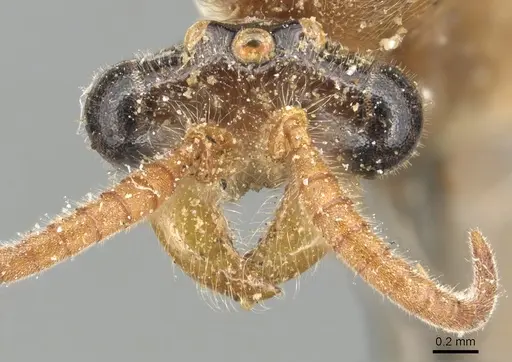
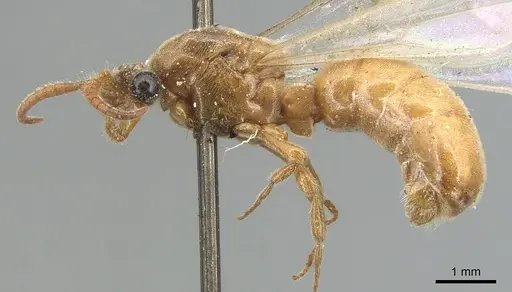
Aenictus fuscovarius is an army ant species found across East and North Africa. Only the male has been described in scientific literature - they measure approximately 8mm with a glossy pitch-black head, light rust-yellow antennae and mandibles, and a light brown thorax marked with reddish-yellow patches . The species has been recorded in Mozambique, Kenya, Eritrea, Ethiopia, the Democratic Republic of Congo, Egypt, Somalia, and Mauritania . As a member of the army ant subfamily Dorylinae, this species exhibits the characteristic army ant biology: large colonies that do not build permanent nests but form temporary living clusters called bivouacs. They reproduce by splitting existing colonies rather than traditional single-queen founding. This biology makes them extremely challenging to maintain in captivity.
Quick Summary
- Difficulty: Expert
- Origin & Habitat: Afrotropical region including Mozambique, Kenya, Eritrea, Ethiopia, Democratic Republic of Congo, Egypt, Somalia, and Mauritania [2][3][4][5][6]. Specimens have been collected at elevations between 600-900m in Kenya [4].
- Colony Type: Unknown, army ant colony structure is unconfirmed for this specific species.
- Size & Growth:
- Queen: Size data unavailable, only the male has been described in scientific literature.
- Worker: Size data unavailable, only the male has been described in scientific literature.
- Colony: Unknown, likely large based on typical army ant biology.
- Growth: Unknown
- Development: Unknown (Army ants reproduce by colony fission rather than traditional queen founding.)
- Antkeeping:
- Temperature: Unknown, Afrotropical distribution suggests warm conditions, but specific requirements unconfirmed.
- Humidity: Unknown
- Diapause: Unknown, tropical distribution suggests no winter diapause required.
- Nesting: Army ants do not build permanent nests, they form temporary bivouacs using their bodies. Captive housing would require massive space.
- Behavior: Army ant behavior expected based on genus, highly mobile, predatory on other social insects (especially other ants), with aggressive foraging raids. Extremely difficult to contain due to movement patterns and potential colony size.
- Common Issues: army ants require massive enclosures impossible for most hobbyists., reproduction by colony fission means you cannot start a colony from a single queen., continuous food supply of live prey is extremely difficult to maintain., nomadic behavior makes traditional nest setups inappropriate., specific dietary requirements for this species are unknown.
Male Morphology and Identification
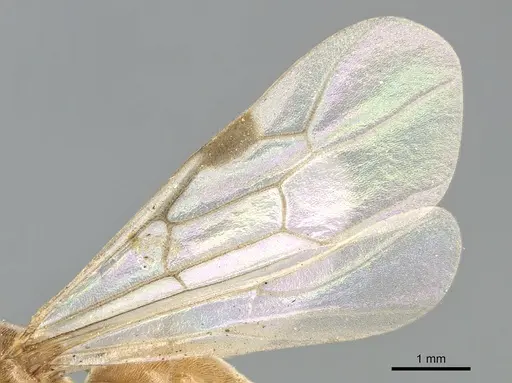
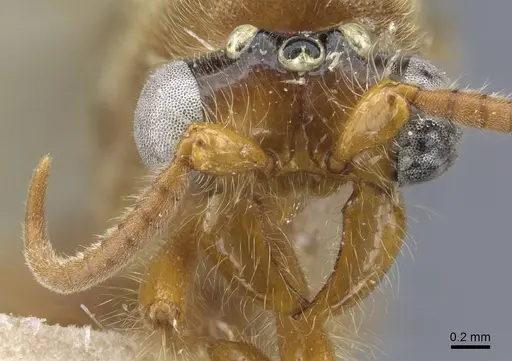
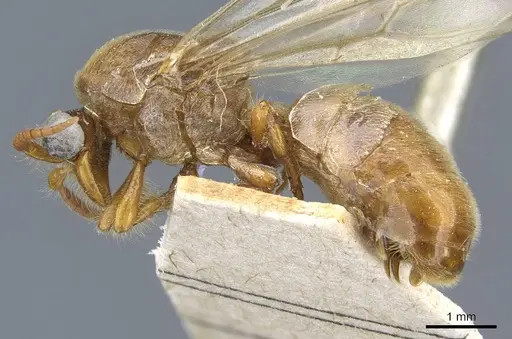
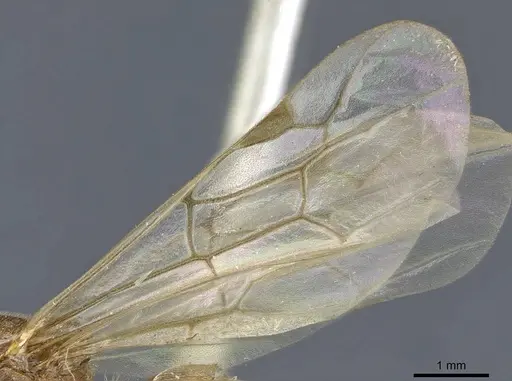
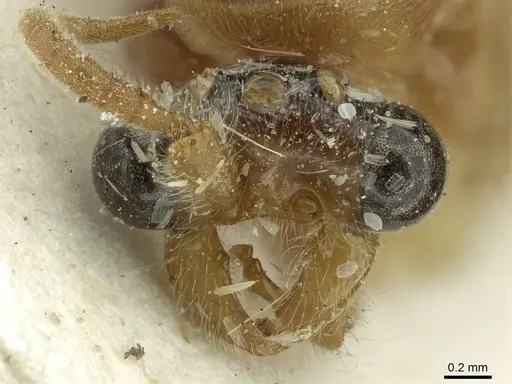
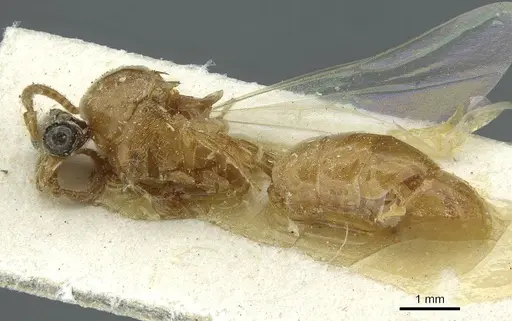
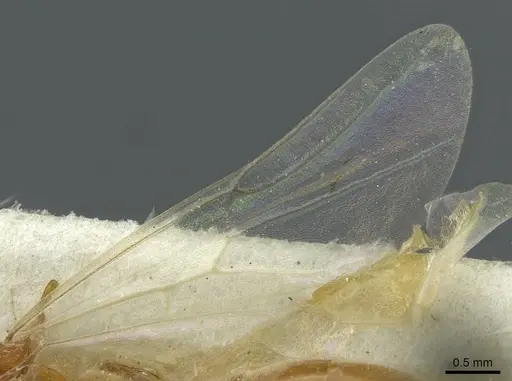
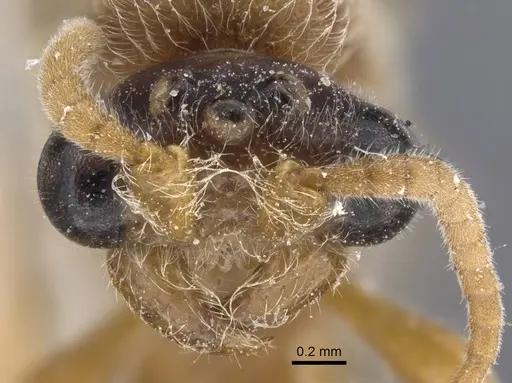
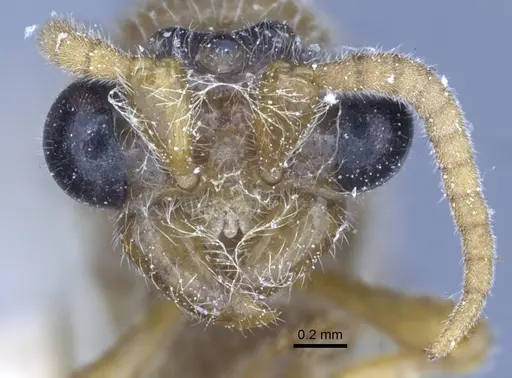
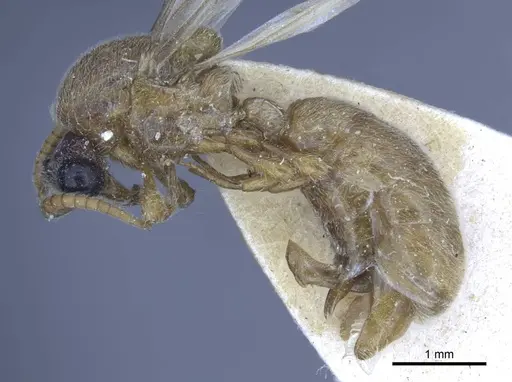
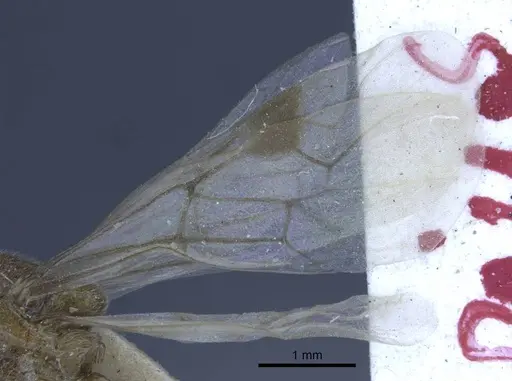
Only the male caste has been described in detail for Aenictus fuscovarius. The type specimen from Mozambique (Tette) measures approximately 8mm [1]. Males show a distinctive color pattern: the head is glossy pitch-black and transversely cylindrical with a slightly excavated frons, while the antennae and mandibles are light rust-yellow [1]. The antennae are robust with the scape being almost a quarter of the flagellum length [1]. The thorax is light brown with reddish-yellow markings on the anterior half of the mesonotum, while the scutellum and sides of the mesonotum show a blackish tinge [1]. The abdomen has brown coloring on the anterior portions of segments two through four [1]. The wings are colorless with slightly milky clouding and light yellow veins and stigma [1]. The legs match the antennae in color, with femora that are club-shaped and thickened as is typical for this genus [1]. The peduncle is about half broader than long with a shallow median groove [1].
Distribution and Range
Aenictus fuscovarius has a broad distribution across the Afrotropical region. Records exist from Mozambique (the type locality at Tette) [1][7], Kenya (specifically at elevations of 600-900m at localities including VOï, Tavéta, and Landjoro Pori) [4], Eritrea [3], Ethiopia [8], the Democratic Republic of Congo [5], Egypt [9][6], Somalia, and Mauritania [2]. This wide range across East Africa suggests the species is adapted to various habitats within the region, though specific ecological preferences remain unstudied.
Army Ant Biology
As a member of the Dorylinae subfamily, Aenictus fuscovarius is a true army ant. While specific biological details are unconfirmed for this species, army ants in the genus Aenictus share several distinctive traits. They maintain large colonies with a specialized queen. These ants do not build permanent nests, instead they form temporary living structures called bivouacs where the workers link their bodies together to protect the queen and brood. Colonies reproduce by fission, splitting into two groups, rather than by sending out individual queens to start new colonies. They are nomadic, moving frequently to new hunting grounds, and are specialized predators of other social insects, particularly other ant species. [2]
Captive Care Considerations
You should not attempt to keep Aenictus fuscovarius in a standard ant-keeping setup. Army ants cannot be founded from a single queen in a test tube, they require an entire established colony collected from the wild, which is extremely difficult and not recommended. Their nomadic lifestyle means they need massive enclosures with continuous space to roam, far beyond what most hobbyists can provide. They require constant supplies of live prey, likely other ant colonies, which presents both practical and ethical challenges. Additionally, the colony size, potentially tens of thousands of workers, makes containment and care nearly impossible outside of specialized research facilities. This species is best observed in the wild or through documentary footage rather than in captivity.
Frequently Asked Questions
Can I keep Aenictus fuscovarius in a test tube?
No. Army ants cannot be kept in test tubes. They require massive enclosures and do not found colonies from single queens.
How do I start an Aenictus fuscovarius colony?
You cannot start a colony from a single queen. Army ants reproduce by splitting existing colonies (fission). You would need to collect an entire colony with queen, which is extremely difficult and not recommended.
What do Aenictus fuscovarius eat?
Unknown specifically, but Aenictus army ants are specialized predators of other social insects, especially other ants. They require large amounts of live prey continuously.
How big do Aenictus fuscovarius colonies get?
Unknown specifically, but army ants typically maintain colonies of thousands to tens of thousands of workers.
Are Aenictus fuscovarius good for beginners?
No. This is an expert-only species, likely impossible to maintain long-term in captivity due to army ant biology.
Do Aenictus fuscovarius need hibernation?
Unknown, but unlikely given their tropical Afrotropical distribution.
Where are Aenictus fuscovarius found?
East Africa and North Africa: Mozambique, Kenya, Eritrea, Ethiopia, DRC, Egypt, Somalia, and Mauritania.
Report an Issue
The current care sheet is based fully on literature. See inconsistencies, or something that's incorrect? Please , it will be resolved after review from an admin. Contributing to the blogs tab also helps providing information, to make us be able to further improve the caresheets. Thank you for your support!
References

Dieses Caresheet ist lizenziert unter CC BY-SA 4.0 .
Community-Blogs
CASENT0903755
Auf AntWeb ansehen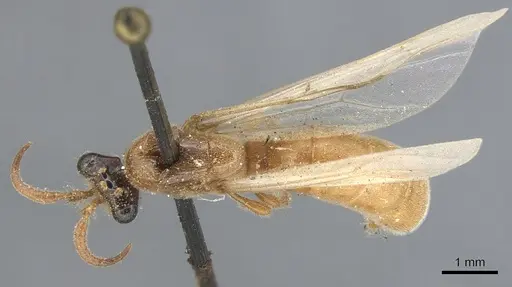
CASENT0907027
Auf AntWeb ansehen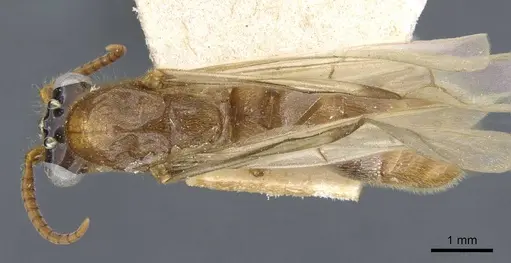
CASENT0911427
Auf AntWeb ansehen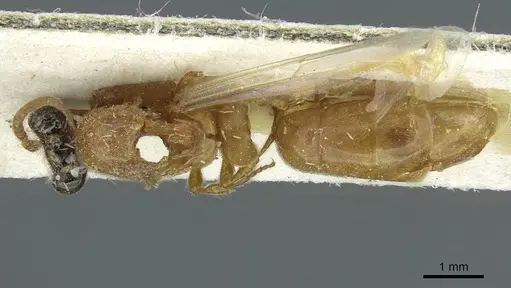
CASENT0916858
Auf AntWeb ansehen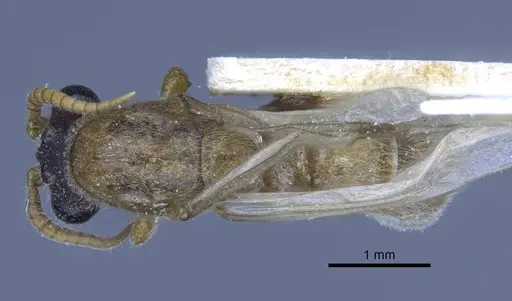
Literatur
Verbreitungskarte wird geladen...Produkte werden geladen...