
Aenictogiton bequaerti
- Wiss. Name
- Aenictogiton bequaerti
- Unterfamilie
- Dorylinae
- Autor
- Forel, 1913
- Verbreitung
- In 0 Ländern gefunden
Einleitung
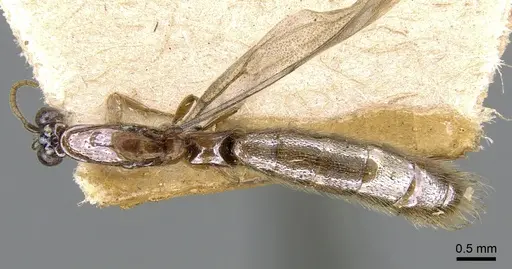
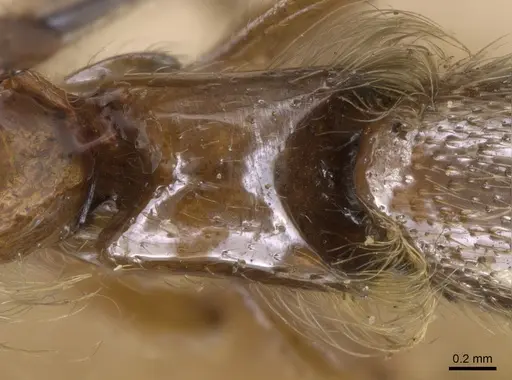
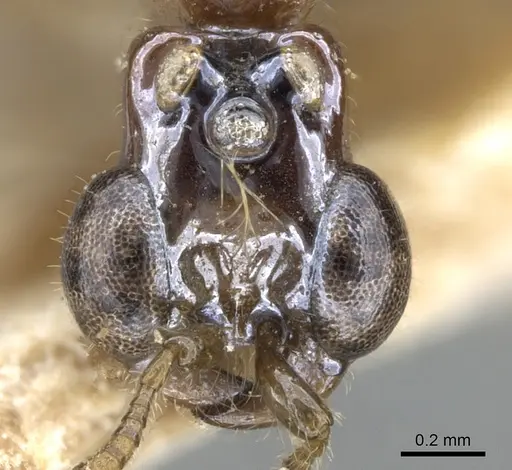
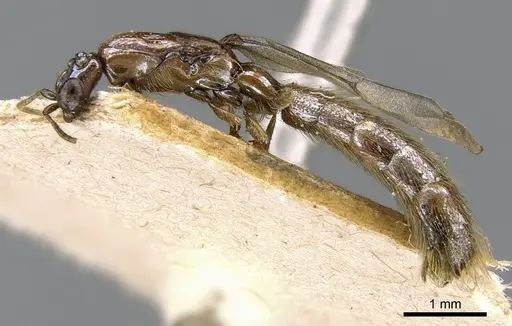
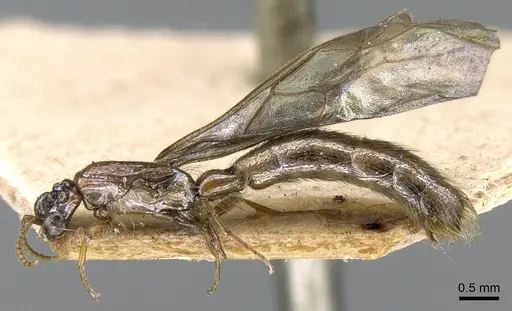
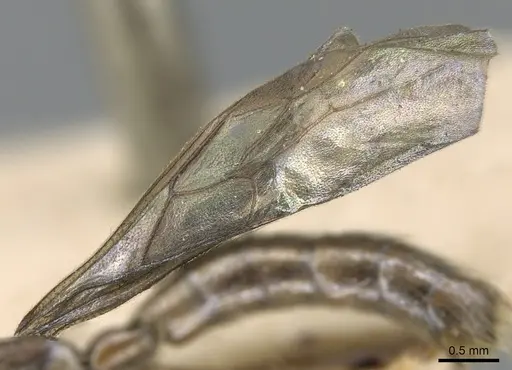
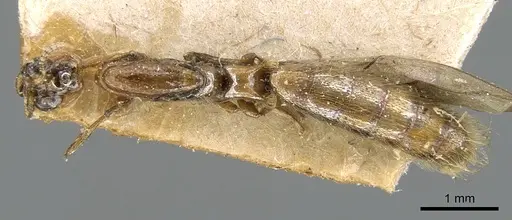
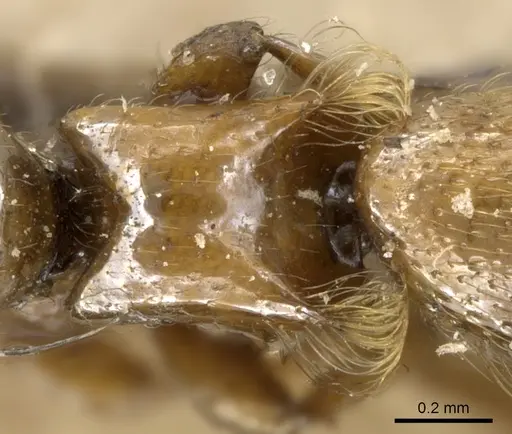
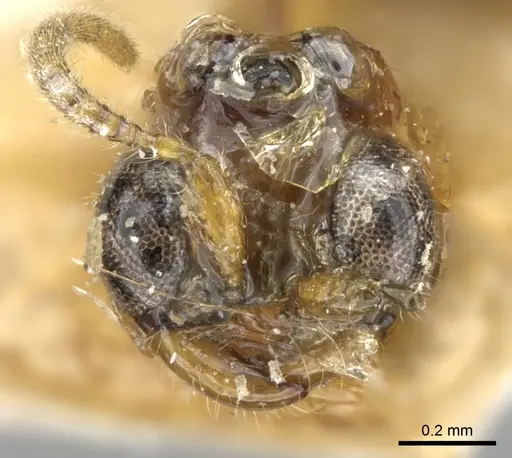
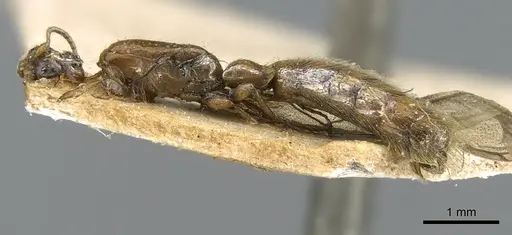
Aenictogiton bequaerti is an extremely rare army ant species endemic to the Haut-Katanga and Haut-Lomami regions of the Democratic Republic of Congo . The genus Aenictogiton belongs to the army ant subfamily Dorylinae, though specific observations of this species' behavior are completely lacking. No successful captive husbandry has ever been documented.
Quick Summary
- Difficulty: Expert
- Origin & Habitat: Democratic Republic of Congo, specifically recorded from Haut-Katanga and Haut-Lomami regions [1]. Specific habitat preferences are unknown.
- Colony Type: Unknown, likely polygynous based on typical army ant patterns, but unconfirmed for this species.
- Size & Growth:
- Queen: size data unavailable
- Worker: size data unavailable
- Colony: Unknown
- Growth: Unknown
- Development: Unknown (No development data available for this species.)
- Antkeeping:
- Temperature: Unknown, estimated at 24-28°C based on tropical distribution, but specific requirements unconfirmed.
- Humidity: Unknown, likely requires high humidity based on tropical origin, but exact requirements unconfirmed.
- Diapause: Unknown, probably not required given tropical distribution, but unconfirmed.
- Nesting: Unknown, army ants typically form temporary bivouacs rather than permanent nests.
- Behavior: Unknown, likely exhibits nomadic army ant behavior with mass raiding, but unobserved in detail. Escape risk is unknown.
- Common Issues: this species is known only from museum specimens and has never been successfully kept in captivity., basic biological requirements including diet, temperature, and colony size are completely unknown., army ant lifestyle requires specialized facilities with massive foraging areas impossible to provide in standard ant-keeping setups., extreme rarity and limited distribution make obtaining specimens unethical and potentially restricted.
Distribution and Rarity
Aenictogiton bequaerti is endemic to the Democratic Republic of Congo, specifically recorded from the Haut-Katanga and Haut-Lomami regions [1]. The species was described from extremely limited material, and virtually nothing is known about its biology, behavior, or ecological requirements. This extreme rarity makes it unsuitable and unethical for captive collection.
Why This Species Cannot Be Kept in Captivity
There are no records of Aenictogiton bequaerti being maintained successfully in captivity. As a member of the army ant subfamily, they likely require enormous foraging territories, massive daily food intake, and specific environmental conditions involving complex nomadic phases that cannot be replicated in artificial setups. The complete absence of basic biological data makes any attempt at husbandry inadvisable.
Army Ant Biology
While specific behaviors remain unconfirmed for this species, Aenictogiton belongs to the army ant group (Dorylinae). These ants typically live in large colonies, maintain nomadic lifestyles with alternating stationary and migratory phases, and prey on other arthropods. They do not construct permanent nests, instead forming temporary living structures called bivouacs using their own bodies. This biology requires specialized facilities far beyond standard ant-keeping equipment.
Frequently Asked Questions
Can I keep Aenictogiton bequaerti in captivity?
No. This species is extremely rare, known only from a few specimens collected in the Democratic Republic of Congo [1]. Army ants require specialized care including massive foraging spaces and constant food supplies that are impossible to provide in captivity. There are no successful captive colonies of this species.
What do Aenictogiton bequaerti eat?
Their diet is unknown. Based on typical army ant patterns, they probably prey on other arthropods including other ants and termites, but this is entirely speculative for this species.
How big do Aenictogiton bequaerti colonies get?
Colony size is unknown. Army ants typically maintain large colonies, but specific data for this species does not exist.
Do Aenictogiton bequaerti need a nest?
Army ants do not build permanent nests. Instead, they form temporary bivouacs. This makes standard ant-keeping setups completely unsuitable for this species.
Where do Aenictogiton bequaerti live in the wild?
They are endemic to the Haut-Katanga and Haut-Lomami regions of the Democratic Republic of Congo [1].
Are Aenictogiton bequaerti dangerous?
Like most army ants, they likely possess stings and can bite, but specific information about their venom or aggression levels is unknown.
What temperature do Aenictogiton bequaerti need?
Temperature requirements are unknown. Based on their tropical distribution, an estimate of 24-28°C would be reasonable, but this is not confirmed for this species.
How long until Aenictogiton bequaerti eggs become workers?
The egg-to-worker timeline is completely unknown for this species.
Report an Issue
The current care sheet is based fully on literature. See inconsistencies, or something that's incorrect? Please , it will be resolved after review from an admin. Contributing to the blogs tab also helps providing information, to make us be able to further improve the caresheets. Thank you for your support!
References

Dieses Caresheet ist lizenziert unter CC BY-SA 4.0 .
Community-Blogs
Literatur
Verbreitungskarte wird geladen...Produkte werden geladen...